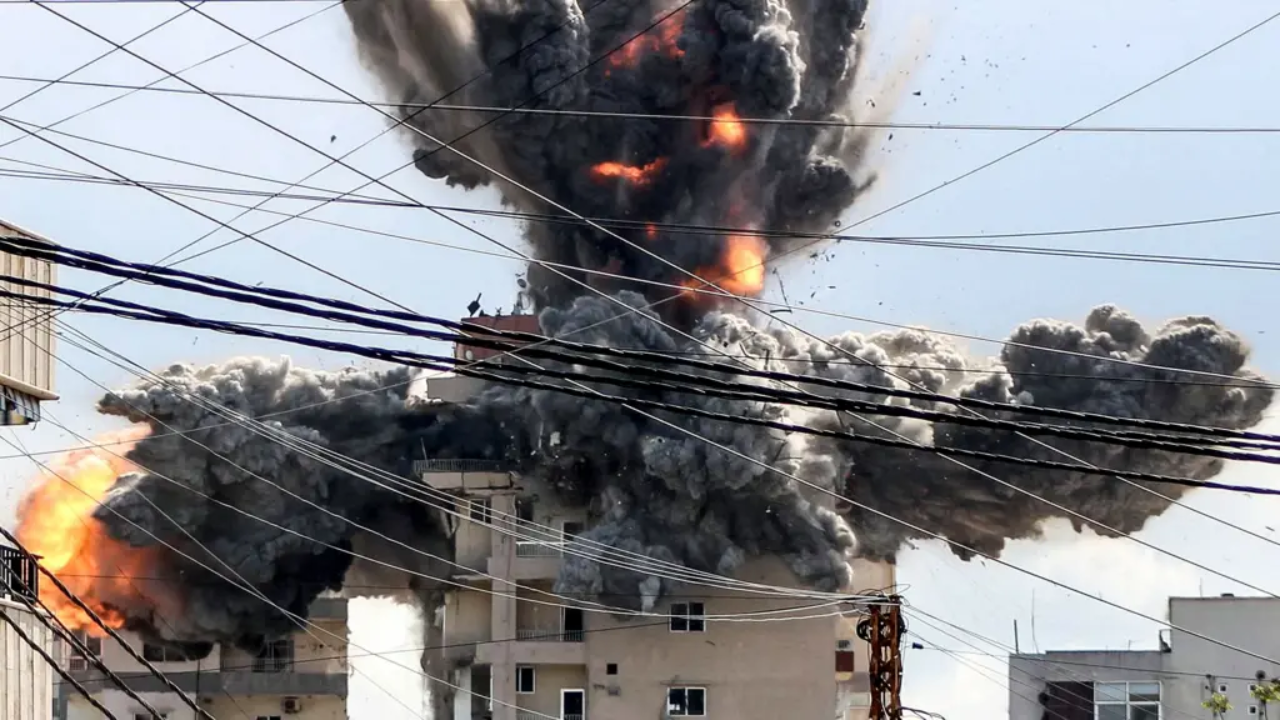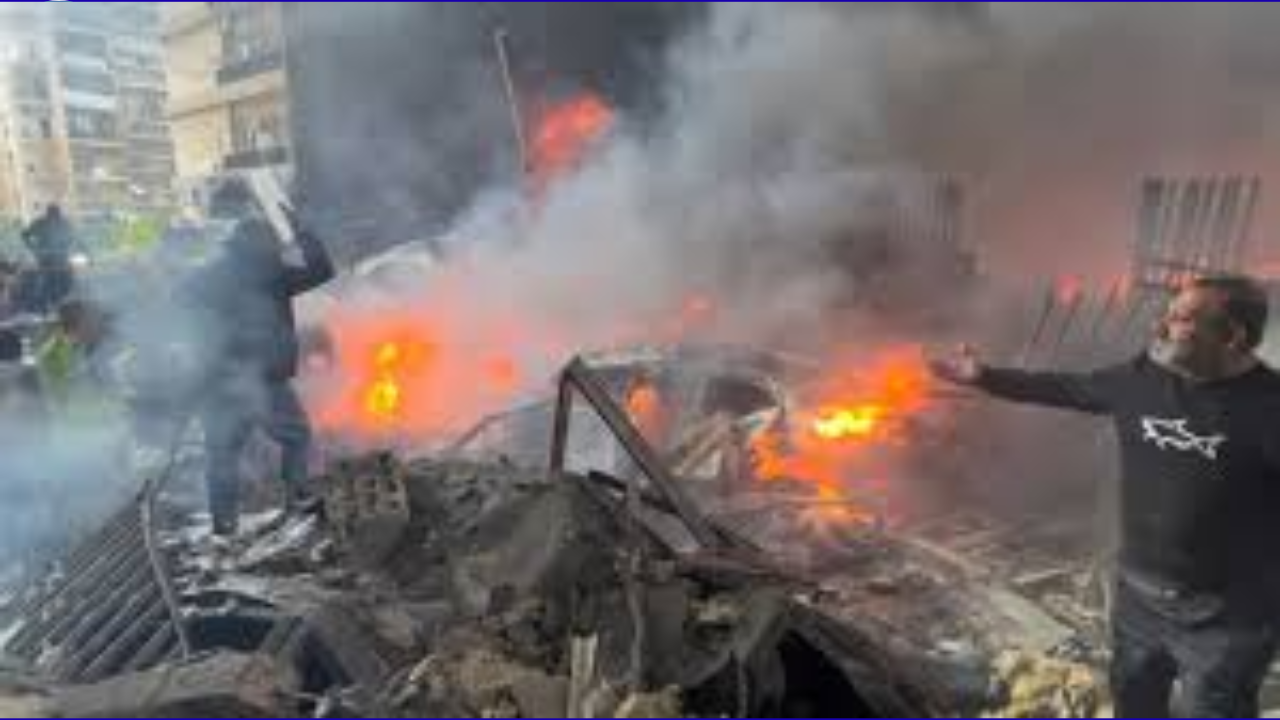
U.S. Special Operations forces successfully rescued the second crew member of an F-15E Strike Eagle shot down over Iran two days prior. While the pilot was recovered shortly after the April 3 crash, the Weapon Systems Officer (WSO)—a high-ranking colonel—evaded capture for nearly 48 hours in rugged mountain terrain before being extracted.
Thank you for reading this post, don't forget to subscribe!Understanding the “Wizzo”
In a dual-seat fighter like the F-15E, the WSO (often called a “Wizzo”) is far more than a passenger. While the pilot focuses on stick-and-rudder flying, the WSO manages the aircraft’s lethal capabilities from the rear cockpit. Their primary responsibilities include:
- Precision Strike Command: The WSO identifies targets and operates the laser-designation systems. They are ultimately responsible for the “button push” that releases precision-guided munitions.
- Sensor Mastery: They monitor advanced radar and infrared targeting pods, scanning for enemy threats and surface-to-air missile (SAM) batteries that the pilot may not see while maneuvering.
- Tactical Navigation: The WSO handles “eyes-in” tasks, such as managing digital maps and coordinating with ground controllers (JTACs) to ensure strikes hit the correct coordinates.
- Electronic Warfare: They manage the aircraft’s self-defense suites, jamming enemy signals and decoys to keep the jet safe in contested airspace.
Details of the Operation
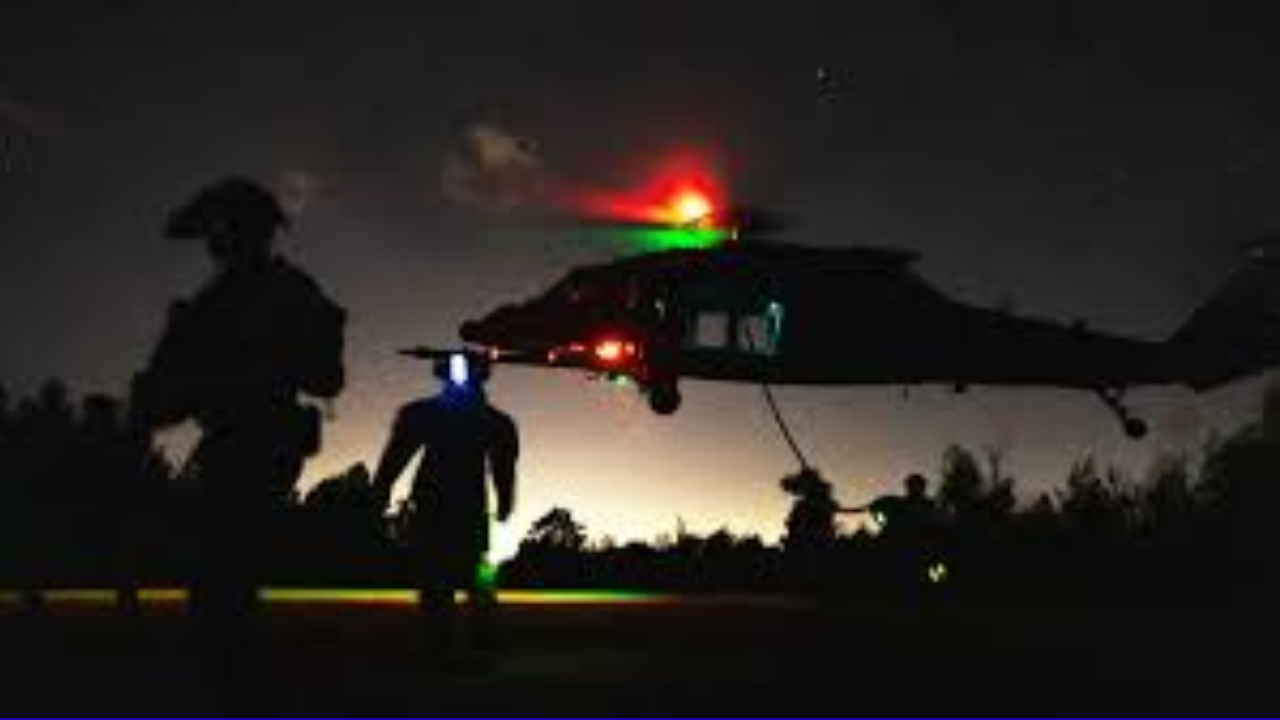
The colonel’s recovery has been described as one of the most complex Combat Search and Rescue (CSAR) missions in modern history. The operation involved a sophisticated “deception campaign” by the CIA to divert Iranian forces, allowing Navy SEAL Team 6 and MC-130J aircraft to reach the WSO’s position in a remote mountain crevice.
The officer is currently receiving medical evaluations following his two-day evasion. President Trump praised the “daring” nature of the mission, which utilized a massive array of assets, including MQ-9 Reaper drones, to ensure the airman’s safe return.