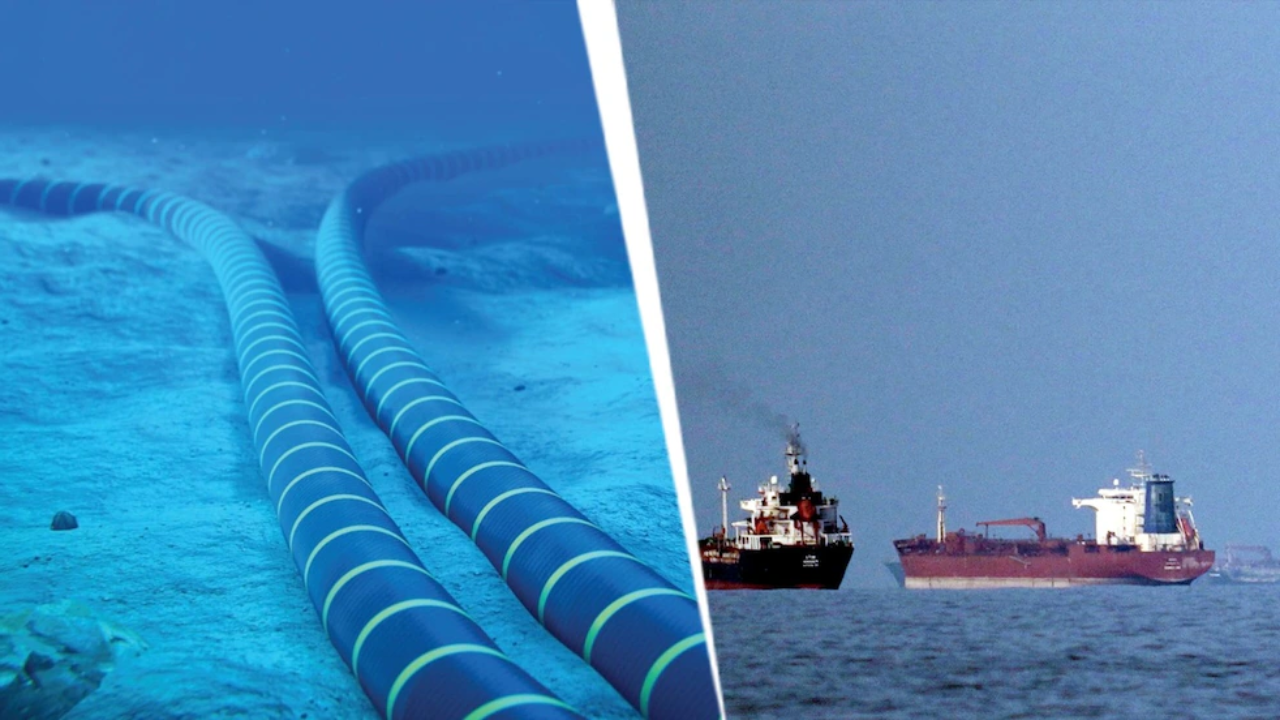
In the geopolitical landscape of 2026, the Strait of Hormuz is often viewed as a digital “kill switch.” However, while a coordinated attack on undersea cables would cause regional chaos, the global internet is far too resilient to be taken down by a single chokepoint.
Thank you for reading this post, don't forget to subscribe!The Digital Chokepoint Myth
Contrary to popular belief, the Strait of Hormuz is not the internet’s primary artery.
- The Suez/Red Sea Dominance: Most data moving between Europe and Asia flows through the Red Sea. The cables in the Strait of Hormuz primarily serve the Gulf Cooperation Council (GCC) nations—including the UAE, Qatar, and Kuwait.
- Redundancy by Design: The internet operates on a decentralized mesh. If a cable is cut, Border Gateway Protocol (BGP) automatically reroutes data through the Atlantic, the Pacific, or terrestrial paths across Central Asia.
The 2026 Crisis Context
The danger today is higher than in previous years because our “Plan B” routes are currently compromised:
- Red Sea Instability: Ongoing regional conflicts have already damaged several key cables in the Red Sea, making the Gulf routes more critical for global load-balancing.
- The “Repair Gap”: Cutting a cable is easy; fixing it is not. If Iran were to block repair ships from entering the Strait, regional outages could last for months, crippling the digital economies of Dubai and Doha.
Impact Assessment
| Sector | Impact Level | Consequence |
| Global Connectivity | Minimal | Data reroutes globally; most users outside the Middle East notice nothing. |
| Regional Economy | Severe | Local businesses, cloud services, and government portals face total blackouts. |
| Global Finance | High | High-frequency trading and banking between London, Mumbai, and Singapore face massive lag. |
| Latency (Speed) | Moderate | “Ping” times for Asia-to-Europe traffic would spike by 50ms to 100ms. |
The Verdict
Iran cannot “shut down” the global internet, but they could effectively isolate the Middle East from the digital world. The real weapon isn’t the cut itself—it’s the ability to prevent specialized ships from repairing the damage, turning a temporary glitch into a long-term economic siege.