The golden age of Japanese consumer electronics was defined by names like Sony, Panasonic, Toshiba, and Sharp. For decades, they ruled the global market with the Walkman, flat-screen TVs, and laptops. “Made in Japan” was the ultimate badge of premium quality and technological dominance.
Thank you for reading this post, don't forget to subscribe!Today, that landscape looks completely different. Facing fierce, lower-cost competition and razor-thin margins, Japan’s tech giants are abandoning the traditional, heavy-manufacturing model. In its place, a leaner, more agile ecosystem is rewriting the rules of the industry.
1. The Legacy Giants Step Back
To survive aggressive competition from South Korean and Chinese giants (like Samsung, LG, Haier, and Hisense), legacy Japanese brands have fundamentally restructured. They are letting go of asset-heavy manufacturing to focus on high-margin software, entertainment, and specialized B2B tech.
- Divestment & Acquisitions: Sanyo’s white goods division was acquired by China’s Haier, while Toshiba sold off its TV and appliance businesses to Hisense and Midea.
- The Partnership Pivot: Companies like Sony have transitioned away from owning the entire production line. By partnering with manufacturers like TCL Technology, Sony outsources the heavy factory assembly while retaining control over design and high-end integration, linking its hardware directly into profitable entertainment ecosystems like PlayStation.
2. The Rise of the “New Wave” Brands
As the old guard pivots toward semiconductors, green energy, and automotive components, a new breed of domestic companies is seizing the Japanese home appliance market. Interestingly, these market leaders aren’t traditional tech firms—they are retailers and lifestyle brands.
- Iris Ohyama: Originally a plastic goods manufacturer, they became an appliance powerhouse by focusing on practical, localized consumer needs—like designing refrigerators with massive freezer space to cater to the modern trend of buying frozen foods in bulk.
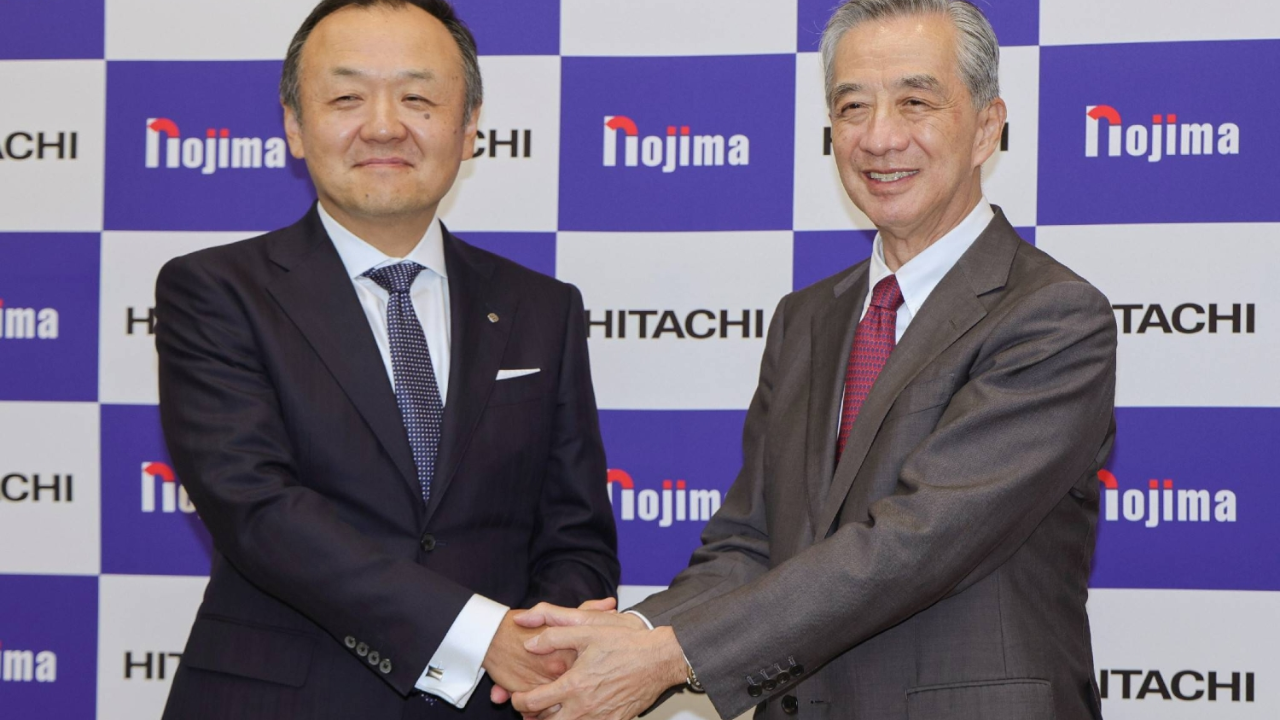
- Nojima: A major electronics retailer that acquired Hitachi’s home appliance business, using direct, front-line consumer feedback from store floors to develop highly targeted products.
- Nitori Holdings: Japan’s premier furniture and home-decor king, which now designs sleek, minimalist appliances engineered to fit seamlessly into modern, compact apartments.
3. The Shift to “Fabless” Innovation
The phrase “Made in Japan” has evolved from a label of physical assembly to a stamp of conceptual design.
Modern Japanese appliance brands are embracing an asset-light or fabless model. Companies handle the high-value aspects—product planning, aesthetic design, user interface, and rigorous quality control—domestically. However, because modern appliances have become highly modular, the actual mass manufacturing is outsourced to specialized factories across Asia.
Success is no longer about who operates the biggest factory, but who understands the consumer’s lifestyle best.
Tracking the Transformation
| Feature | The Legacy Era | The Modern Era |
| Business Model | Vertical Integration: Owning everything from R&D to the factory floor. | Asset-Light / Fabless: Domestic R&D and design; outsourced global manufacturing. |
| Core Value | Monozukuri (the art of physical making) and high-spec hardware. | Lifestyle solutions, minimalist aesthetics, and smart/IoT features. |
| Market Leaders | Heavy industrial tech conglomerates (Toshiba, Sharp, Panasonic). | Agile lifestyle brands and retailers (Iris Ohyama, Nitori, Nojima). |
The Bottom Line: Japan’s consumer electronics industry hasn’t collapsed; it has adapted. By walking away from low-margin manufacturing races and focusing on clever product planning, software integration, and brand licensing, Japanese electronics are charting a highly profitable, modern path forward.

"Suresh Kumar Saini is an experienced Tax Assistant and finance writer. He specializes in US & Canada Tax Guide, Indian Income Tax laws, GST compliance, and personal finance, helping freelancers and remote workers optimize their taxes."