Chancellor Friedrich Merz has announced a strategic pivot to shield German households from surging heating oil and energy prices. Moving away from the rigid mandates of the previous administration, the 2026 policy focuses on financial liquidity and technological freedom.
Thank you for reading this post, don't forget to subscribe!The 2026 Relief Strategy
- Repeal of the “Heating Law”: The 65% renewable energy mandate for new systems is gone. Under the new Building Modernisation Act, homeowners can still opt for oil or gas boilers without legal penalties.
- Massive Grid Subsidies: The government is injecting €6.5 billion to cap transmission grid fees, preventing these costs from hitting your monthly utility bill.
- Levy Cuts: As of January 2026, the gas storage levy has been abolished, providing immediate downward pressure on overall energy expenses.
- The “Green Quota” Pivot: Instead of forcing homeowners to buy expensive heat pumps, the burden shifts to suppliers. Starting in 2029, utilities must begin blending climate-neutral fuels into the existing oil and gas supply.
Why Now?
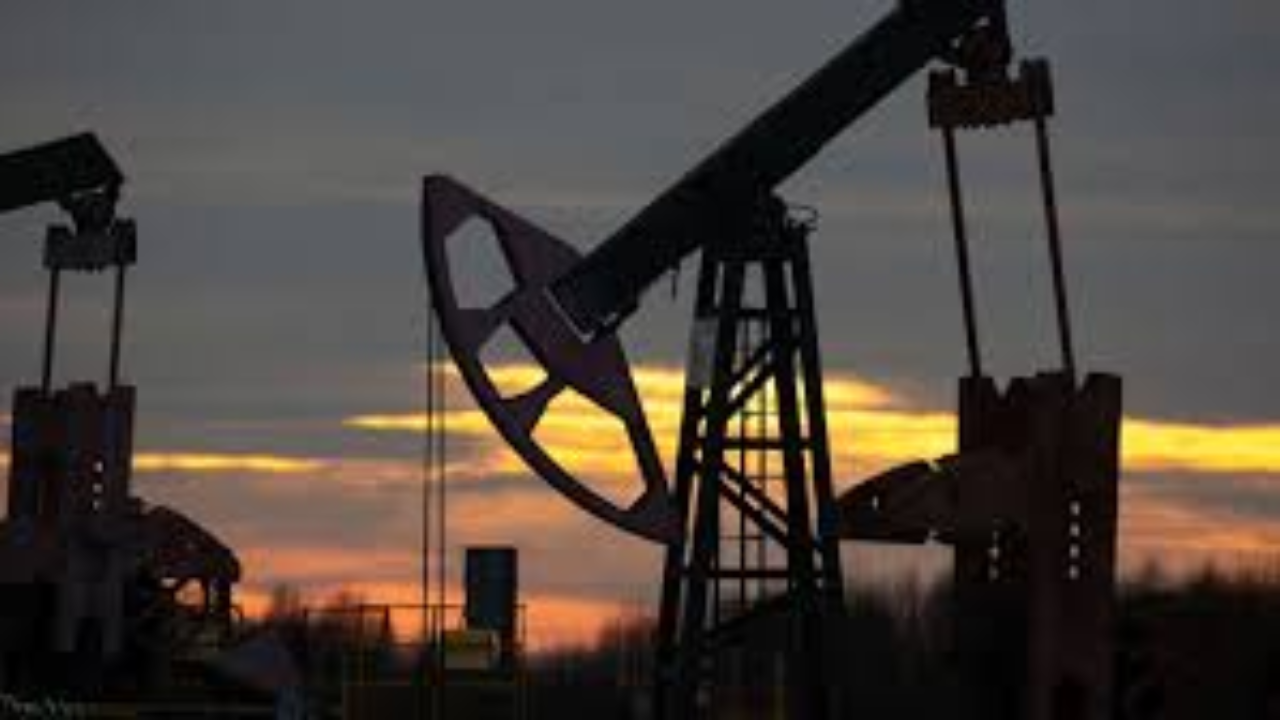
With Middle Eastern volatility driving oil prices higher in early 2026, the Chancellor is prioritizing economic stability over aggressive transition timelines. The goal is to provide a “breathing space” for the middle class while keeping the industrial sector competitive with a capped 5-cent electricity price.
Quick Look: What’s Changing?
| Old Rules | New 2026 Rules |
| Mandatory Heat Pumps | Freedom of Technology |
| High Consumer Levies | Subsidized Grid Fees |
| Immediate Hardware Swaps | Long-term Fuel Blending Quotas |
Bottom Line: You are no longer legally required to scrap your oil heater, and new subsidies are designed to keep your existing heating costs manageable through the 2026 season.