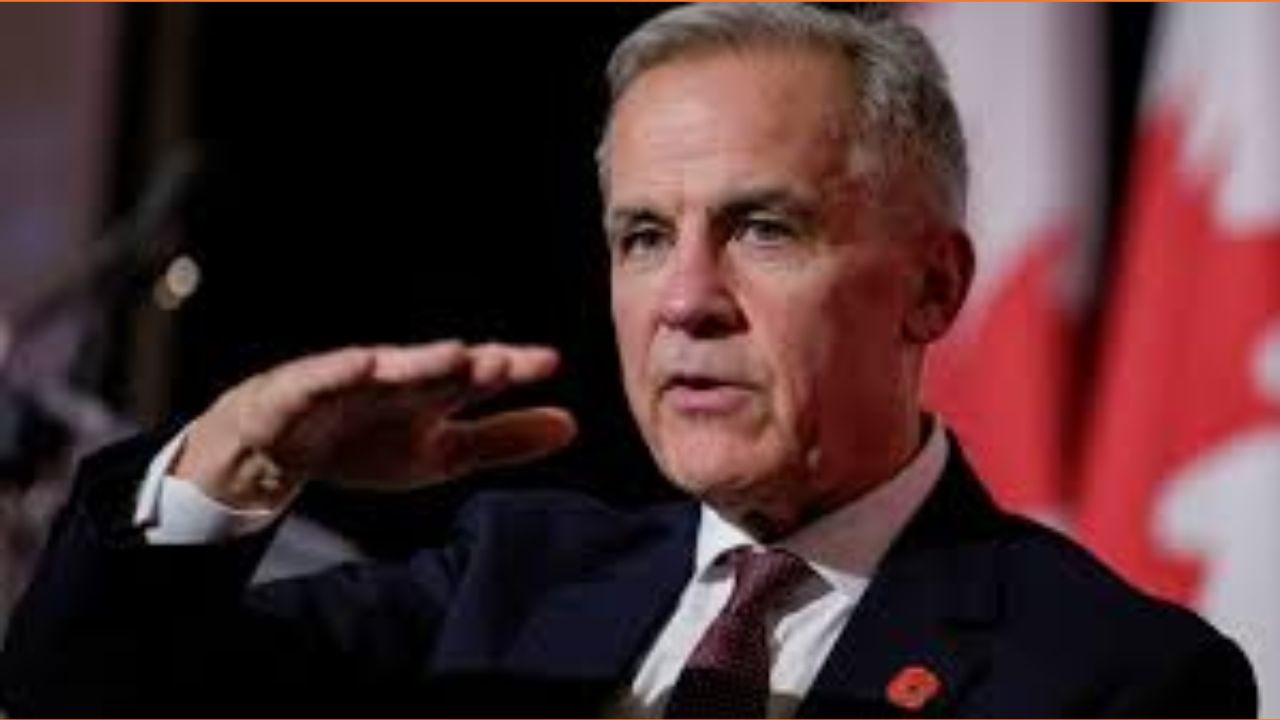
With Prime Minister Mark Carney’s trade mission set for January 13–17, British Columbia is positioned as the primary winner. As the “Gateway to the Pacific,” B.C. is looking to China to offset trade volatility in the United States.
Thank you for reading this post, don't forget to subscribe!Key Strategic Wins for B.C.
- Energy & LNG: B.C. is pitching its liquefied natural gas as the world’s cleanest. With four major projects underway, the goal is to secure long-term buyers by positioning the province as a “stable and reliable” alternative to volatile global markets.
- Forestry Pivot: To escape heavy U.S. lumber tariffs, Jobs Minister Ravi Kahlon is pushing B.C. wood products for China’s green building boom. This diversification is seen as a “survival tactic” for the province’s forestry workers.
- Critical Minerals: China’s demand for electric vehicle (EV) components aligns with B.C.’s massive reserves of copper and molybdenum. These talks could spark new investment in northern B.C. mining projects.
- Agriculture & Seafood: The mission aims to protect and expand exports of B.C. staples like cherries, blueberries, and luxury seafood (geoduck and crab), while resolving port bottlenecks for Prairie canola.
- Port Growth: Increased trade volume directly boosts the Port of Vancouver and Prince Rupert, cementing B.C.’s status as Canada’s logistics hub for the Pacific.
The Bottom Line: A Hedge Against the U.S.
The primary driver for this trip is the “Trump Factor.” With the USMCA review approaching and American protectionism rising, B.C. needs China to act as an economic insurance policy. By strengthening ties with Beijing, B.C. reduces its dependence on a single trading partner to the south.