A new analysis from the Simpson Centre for Food and Agricultural Policy warns that while the January 2026 trade deal with China offers immediate relief, it is not a “silver bullet.” Canada’s canola sector remains highly exposed to global political shifts and economic instability.
Thank you for reading this post, don't forget to subscribe!The 2026 Deal: A Quick Summary
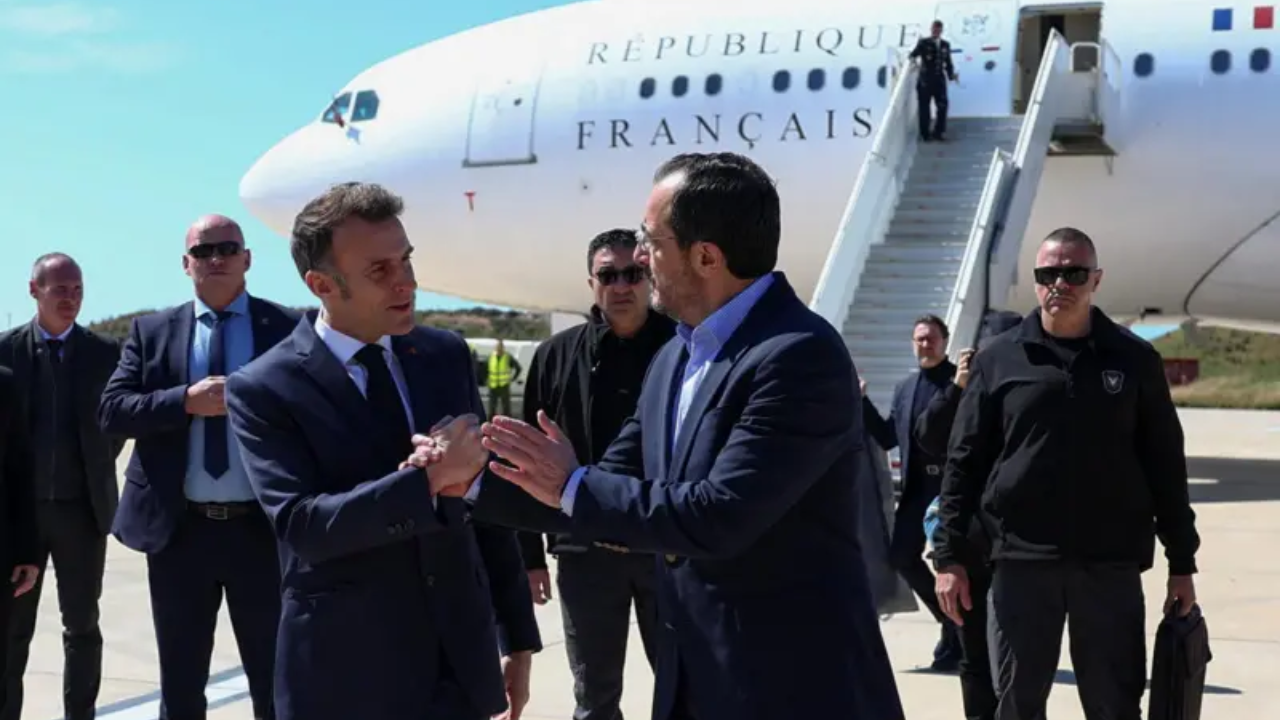
The “Carney-Beijing” agreement de-escalated a punishing trade war with the following terms:
- Canola Tariffs: Slashed from 84% to 15% (effective March 1).
- EV Quotas: Canada lowers its 100% tariff on Chinese electric vehicles to 6.1% for up to 49,000 units per year.
- Other Exports: Temporary tariff removal on Canadian peas, meal, and seafood through 2026.
Why the Industry is Still “At Risk”
The report identifies four primary “external forces” that threaten long-term stability:
- The Buyer Duopoly: Canada relies on China and the U.S. for 90% of its canola exports. This lack of market diversification means any diplomatic fallout with either nation can instantly crash the industry.
- Geopolitical Retaliation: The report confirms that canola has become a “political pawn.” Because it is a high-value commodity, it is often the first target for retaliatory tariffs when Canada makes trade moves elsewhere (such as the EV sector).
- Tensions with Washington: The deal with China has already ruffled feathers in the U.S. There are fears that this “thaw” with Beijing could complicate upcoming North American trade talks, potentially triggering new barriers at the southern border.
- The Margin Squeeze: Even with prices rising slightly post-deal, record-high input costs for fertilizer and seed are expected to hit $22.5 billion nationally in 2026, eating away at farmer profits.
The Bottom Line
While 2026 offers a window to move the massive backlog of 2025 crops currently sitting in storage, the Simpson Centre urges the industry to find new global markets and reduce its reliance on superpowers. For farmers, the “guarded optimism” of the new deal is tempered by the reality that they remain one political disagreement away from another market closure.