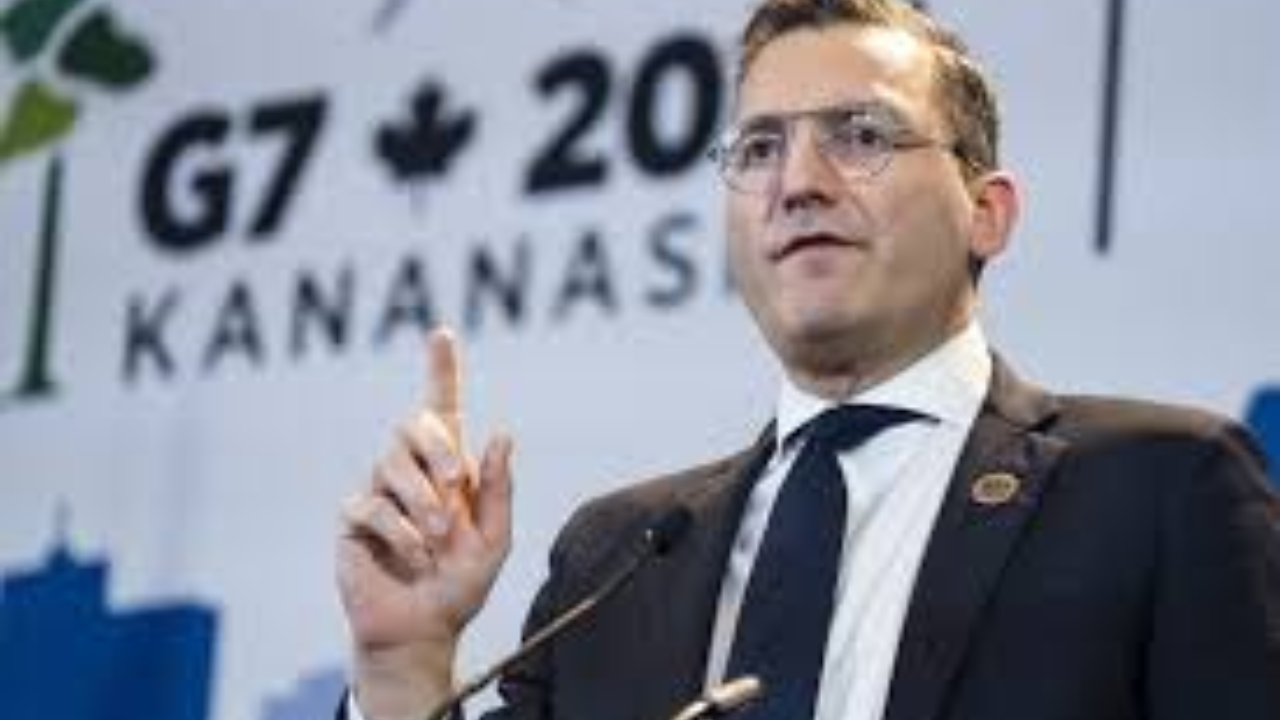
Canada’s Minister of AI and Digital Innovation, Evan Solomon, has officially confirmed that the federal government is not considering a ban on the social media platform X. This announcement comes amid rising international tension over the platform’s AI-generated “deepfake” controversy.
Thank you for reading this post, don't forget to subscribe!The Stance: Law Over Bans
While several international allies have threatened to block the platform due to the proliferation of non-consensual AI images, Canada is choosing a regulatory path rather than a total shutdown.
- Official Denial: Minister Solomon used X to personally debunk rumors of an imminent ban, clarifying that while the content is a concern, a platform-wide block is not on the table.
- Targeted Legislation: The government is leaning on Bill C-16 (the Protecting Victims Act). Instead of deleting the app, this law aims to:
- Make the creation/sharing of non-consensual deepfakes a criminal offense.
- Classify AI-generated explicit content as “intimate images” under the Criminal Code.
- Place legal responsibility on both the creators and the platforms that host them.
Why the Controversy?
| Country/Region | Current Response |
| United Kingdom | Stated a ban is “on the table” if safety standards aren’t met. |
| Indonesia/Malaysia | Have already blocked specific features or access to Grok. |
| Canada | Focusing on criminalizing the act of deepfake creation via Bill C-16. |
Looking Ahead
The Canadian government appears to be walking a fine line. By rejecting a ban, they maintain a vital channel for public communication. However, by pushing for Bill C-16, they are signaling to Elon Musk and X that the platform must eventually comply with Canadian safety standards or face significant legal penalties.