President Donald Trump is making a major political push to revive the US coal industry, prioritizing massive federal coal sales and investing millions to keep power plants open. However, a stark economic reality is challenging this ambition: who will buy all that coal when its primary customers are shutting down?
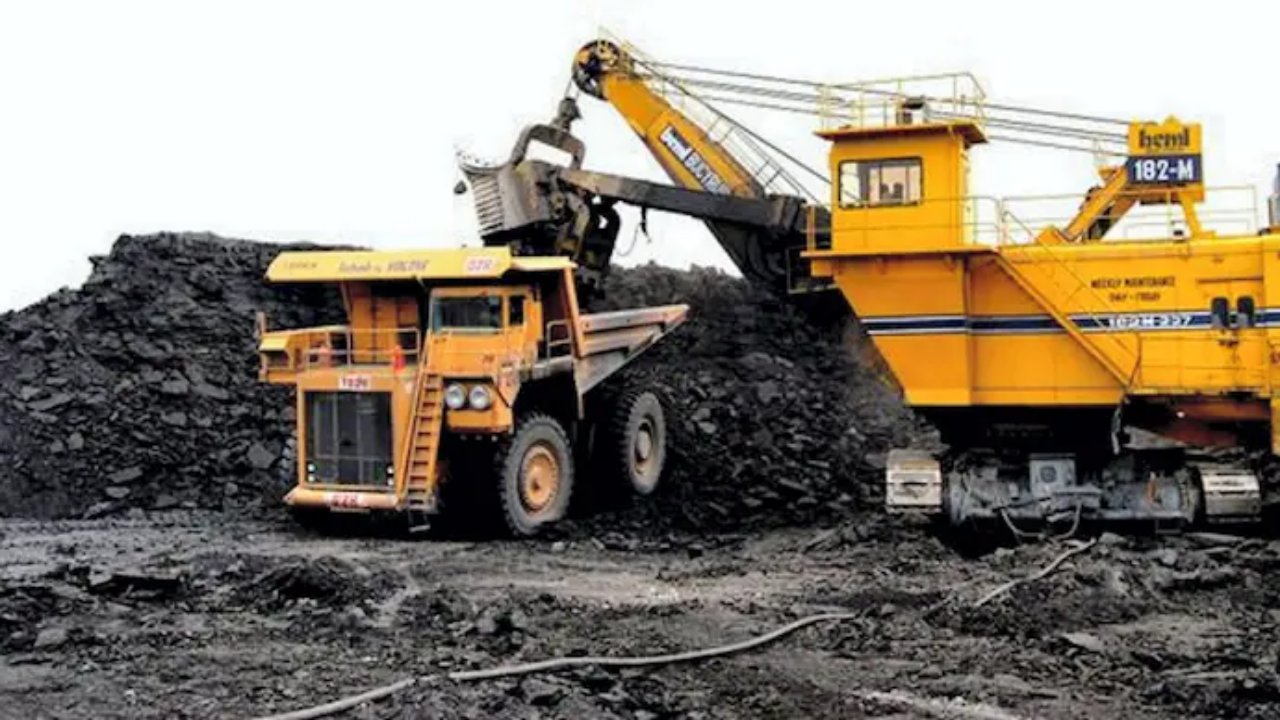
Thank you for reading this post, don't forget to subscribe!The administration is moving forward with the government’s largest coal sales in a decade, offering 600 million tons of coal from the productive Powder River Basin in Montana and Wyoming. These actions are a signature piece of Trump’s plan to boost domestic coal mining.
The Problem: Power Plants Are Retiring
An analysis of the coal market reveals a significant hurdle:
- Mass Closures: Most power plants served by these very mines plan to quit burning coal entirely within the next 10 years. For example, 21 of the 34 power plants supplied by the Navajo Transitional Energy Co. (NTEC) mines are scheduled to cease coal operations in the coming decade.
- Crashing Value: The market has already factored in the industry’s decline. NTEC recently valued a massive 167-million-ton federal coal lease at just over $126,000, a tiny fraction of its worth a decade ago.
- Economics Over Policy: Since 2007, the electric sector has steadily switched to cheaper natural gas and renewables, replacing coal generation. Experts are highly skeptical that coal can ever reclaim its dominance, believing “The economics will just eat the coal generation over time.”
The Administration’s Counter-Strategy
Despite the gloomy market outlook, the administration is using policy and funding to intervene:
- Reduced Costs: It has sharply reduced federal royalty rates for coal to make it cheaper to mine.
- Bailouts and Modernization: It has pledged $625 million to recommission or modernize older, often 40-year-old, coal-fired power plants and ordered some plants to delay their retirement.
- New Demand Argument: Interior Secretary Doug Burgum justified the push by citing “a demand curve coming at us… going through the roof,” specifically from the immense power needs of Artificial Intelligence (AI) and data centers.
Outlook: A Short-Term Boost at Best
While the administration’s actions could provide a short-term bump to the industry—partially because it takes years for planned natural gas and solar projects to come fully online—the long-term viability remains uncertain.
The fundamental conflict persists: the Trump administration is committed to reversing a decades-long decline in a heavily polluting industry, but the major energy consumers have already made long-term decisions to phase out coal in favor of cheaper, cleaner alternatives. This raises the essential question: If the power plants won’t burn the coal, who will ultimately buy it?