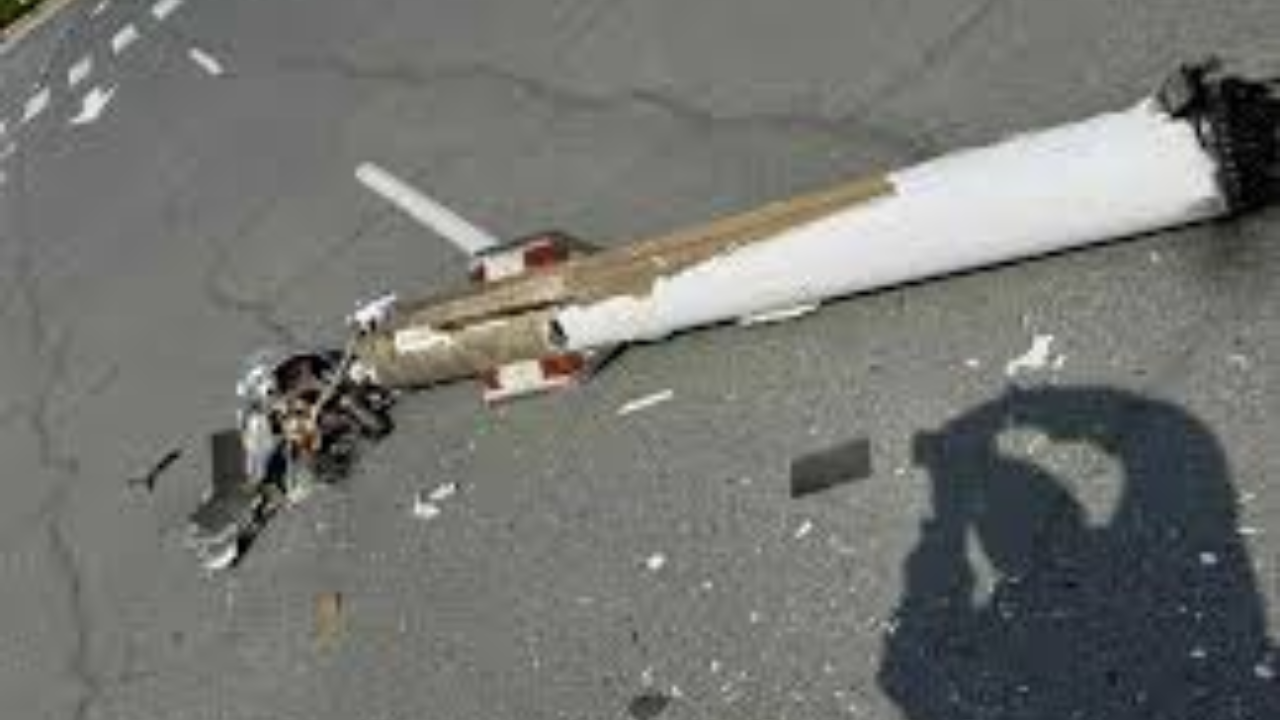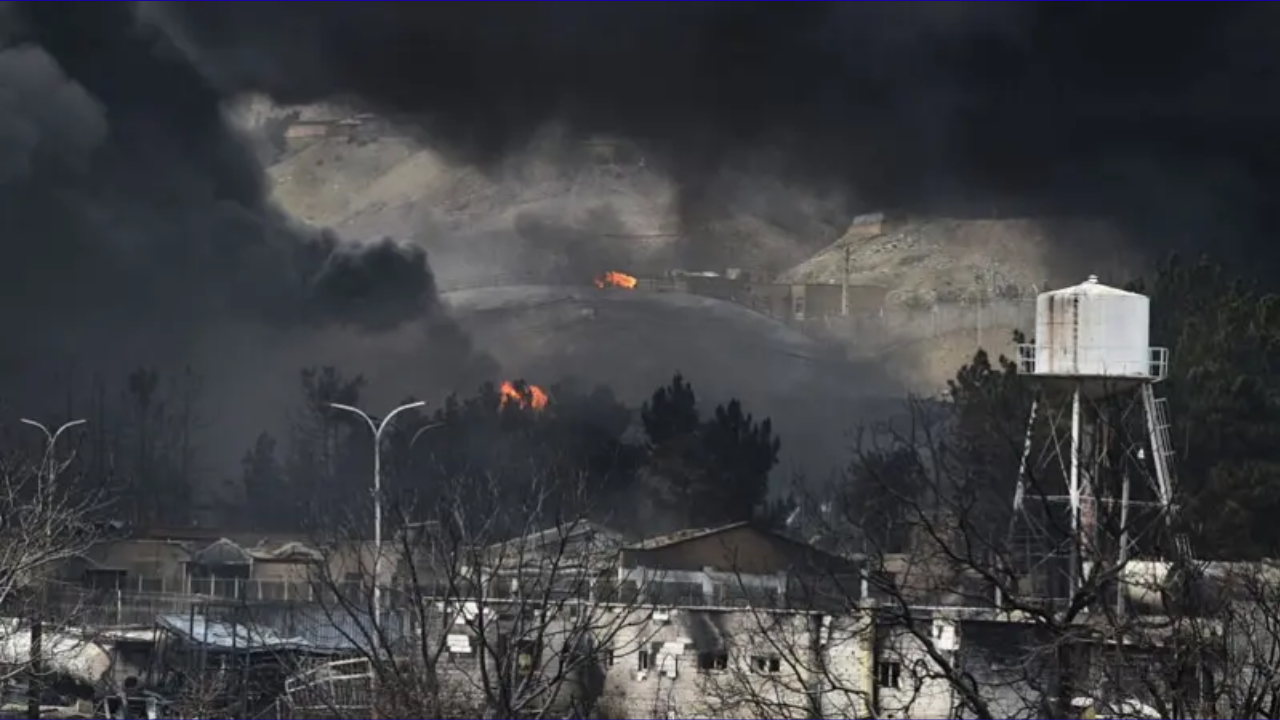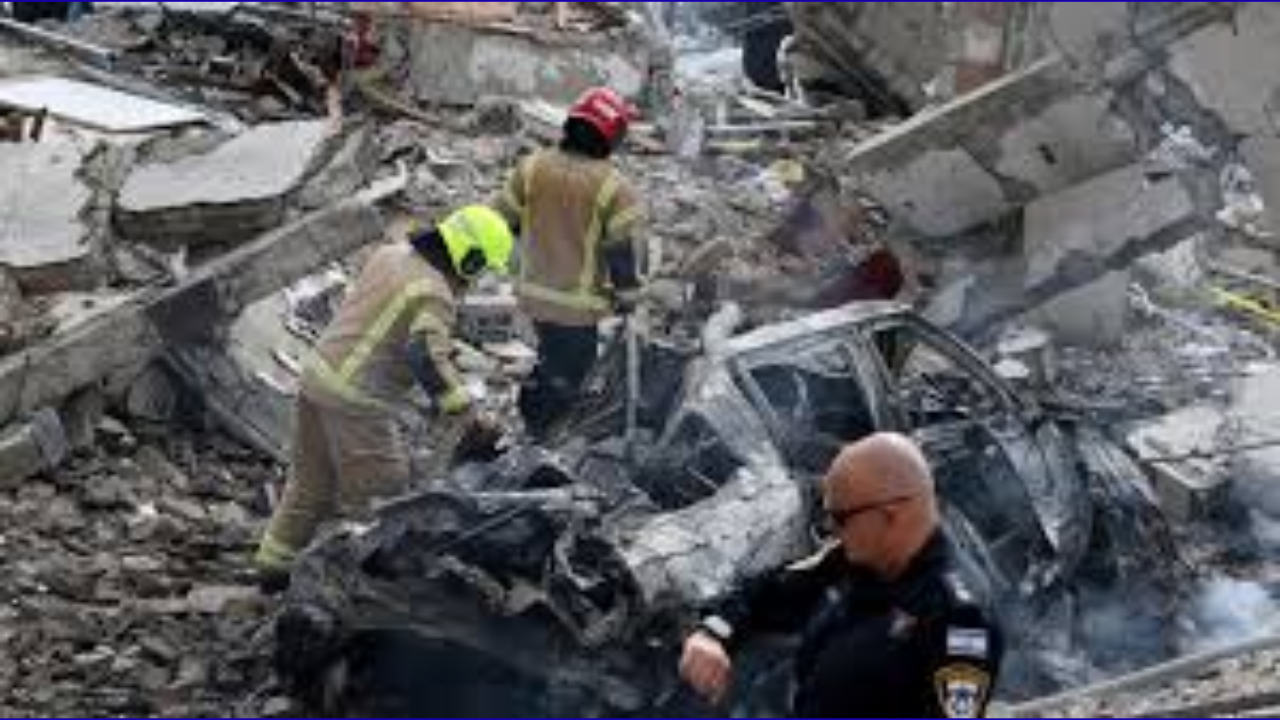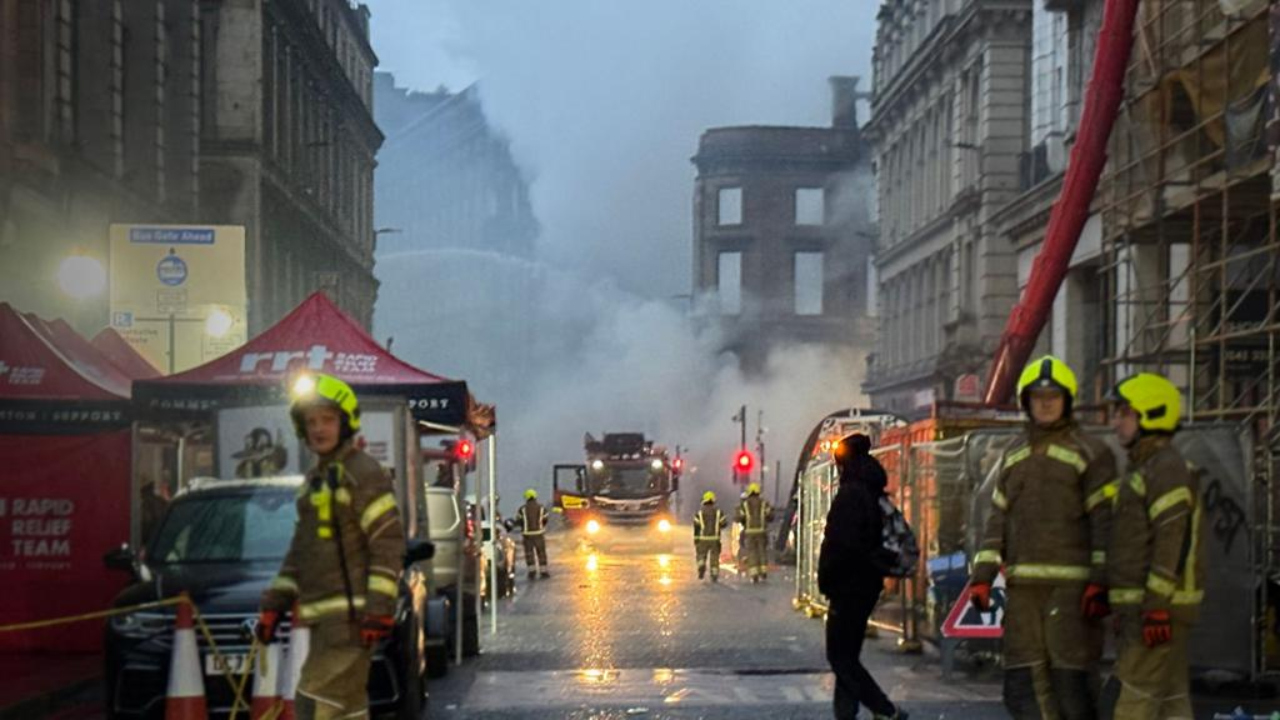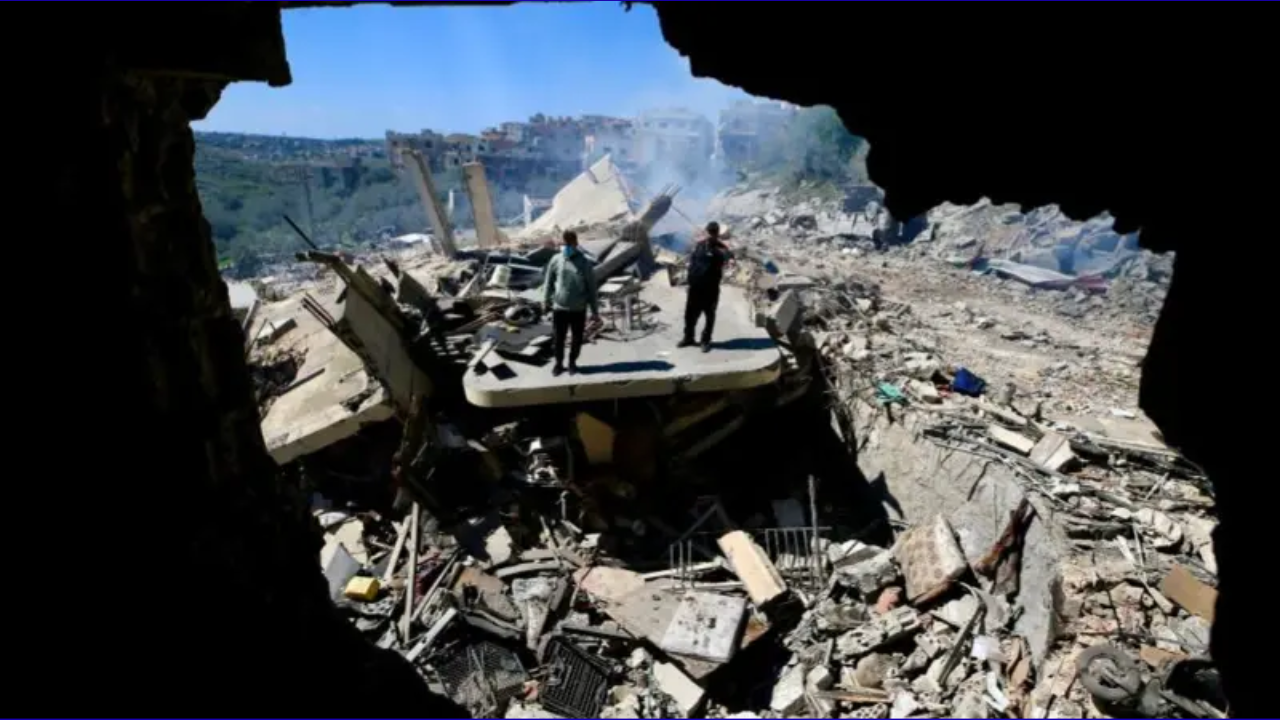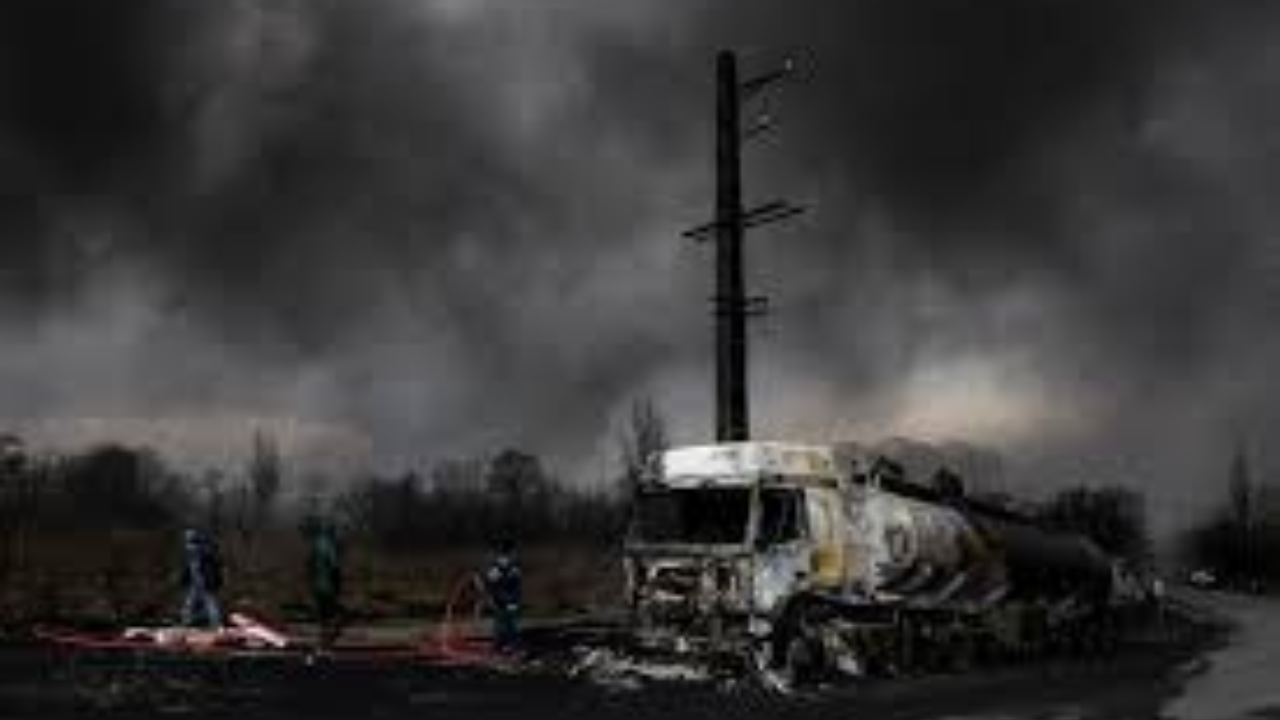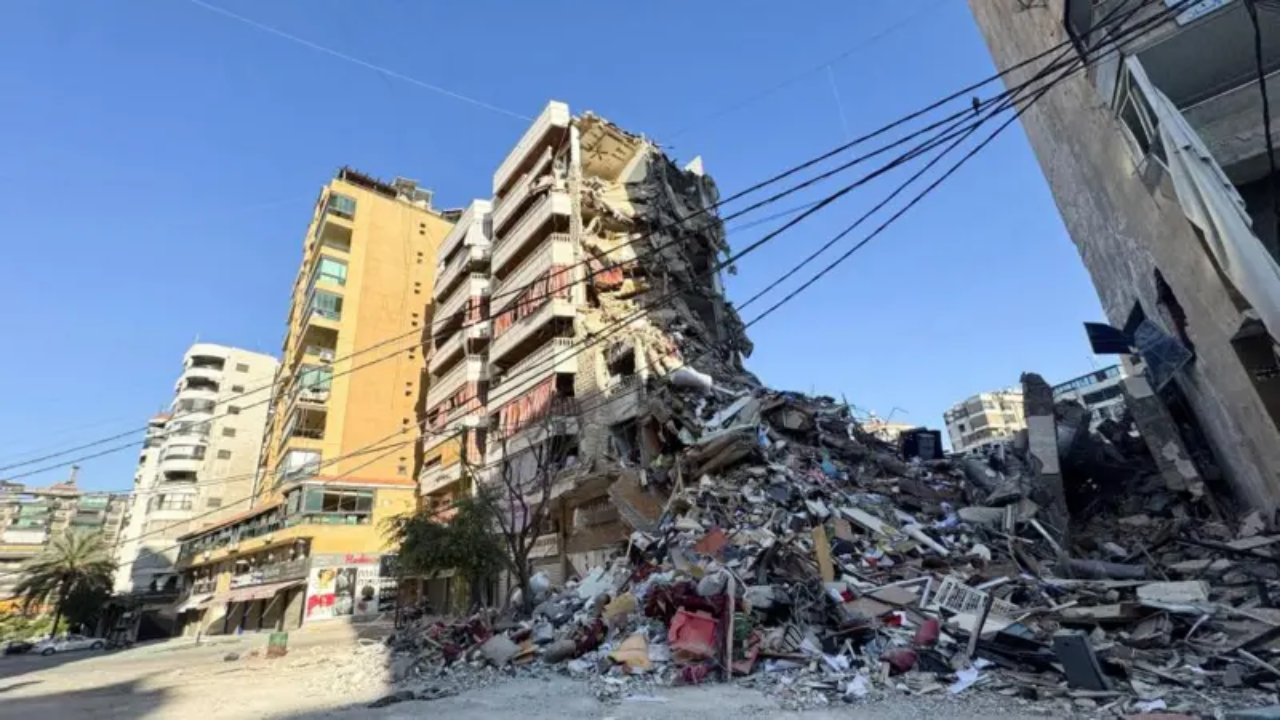
The skyline of the Lebanese capital is currently defined by thick plumes of black smoke as Beirut endures its most devastating week of aerial bombardment since the collapse of the 2024 ceasefire. What were once bustling residential neighborhoods and commercial hubs have been reduced to landscapes of collapsed concrete and scorched metal.
Thank you for reading this post, don't forget to subscribe!The Scale of Destruction
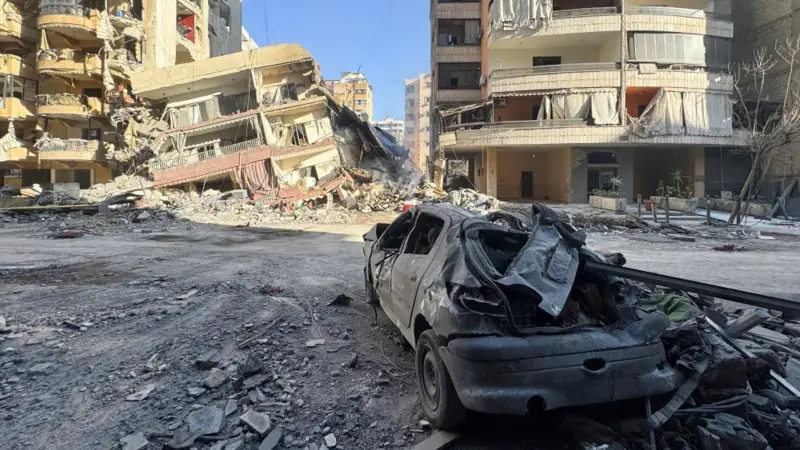
The southern suburbs, particularly Dahiyeh, have borne the brunt of the assault. Entire apartment blocks have folded into themselves, pancaking floors and trapping belongings under layers of pulverized stone.
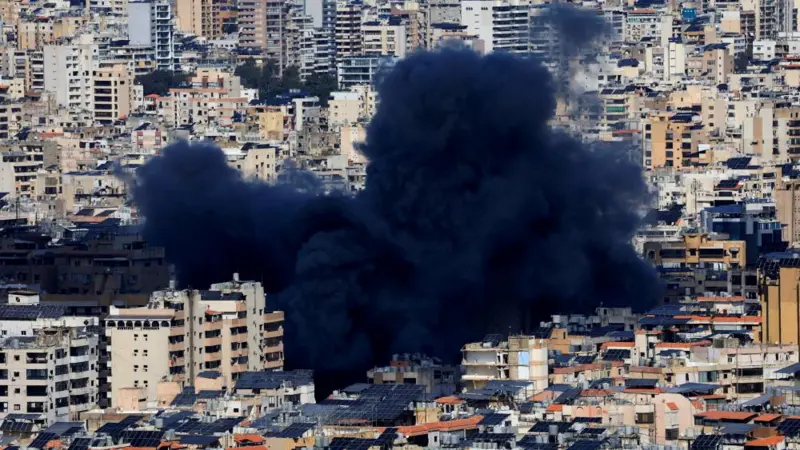
On the streets below, the scene is equally harrowing:
- Burned-out Vehicles: Long lines of cars, caught in the heat of the blasts, sit as skeletal frames of rusted metal, blocking emergency access routes.
- Infrastructure Targets: Today’s strikes specifically leveled multiple branches of the Al-Qard al-Hassan financial network, signaling a shift toward dismantling the economic pillars associated with Hezbollah.
- Central Beirut Hit: In a rare expansion of the conflict zone, a precision strike on the Ramada Hotel in the central Raouche district yesterday shattered the area’s relative calm, leaving the luxury facade in ruins.
Casualties and Displacement
The humanitarian cost of the escalation is climbing rapidly. According to the Lebanese Health Ministry:
- Fatalities: Nearly 400 individuals have been killed in the last seven days.
- Injuries: Over 1,100 people are receiving treatment in overwhelmed local hospitals.
- Displacement: A staggering 450,000 citizens have fled their homes this week, creating a massive internal refugee crisis as schools and public shelters hit maximum capacity.
The Geopolitical Spark
This surge in violence is a direct consequence of the broader regional conflict that ignited earlier this month. Following the deaths of high-ranking Iranian leadership, Hezbollah’s full-scale entry into the war has turned Beirut into a primary front in a confrontation involving Israel, the United States, and Iran.
Current Status: The Lebanese Army has cordoned off several districts due to unexploded ordnance and the instability of standing ruins. Power outages are widespread, and communication networks are intermittent in the hardest-hit zones.