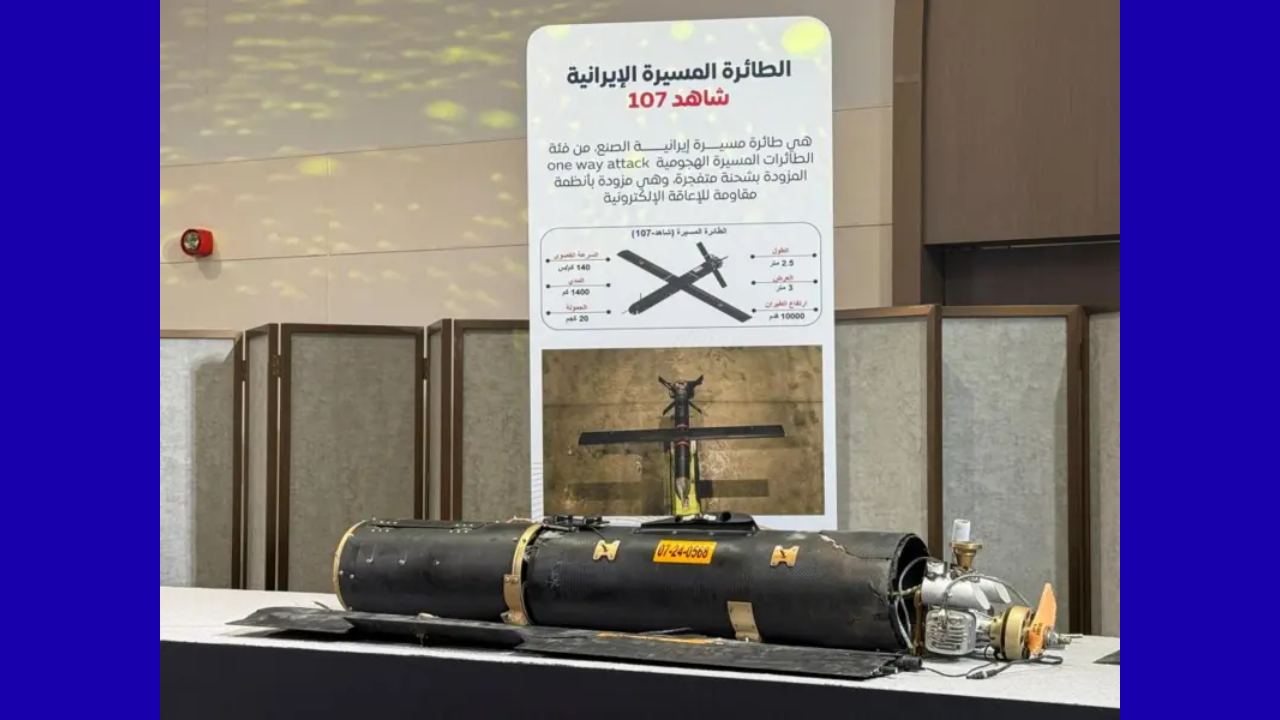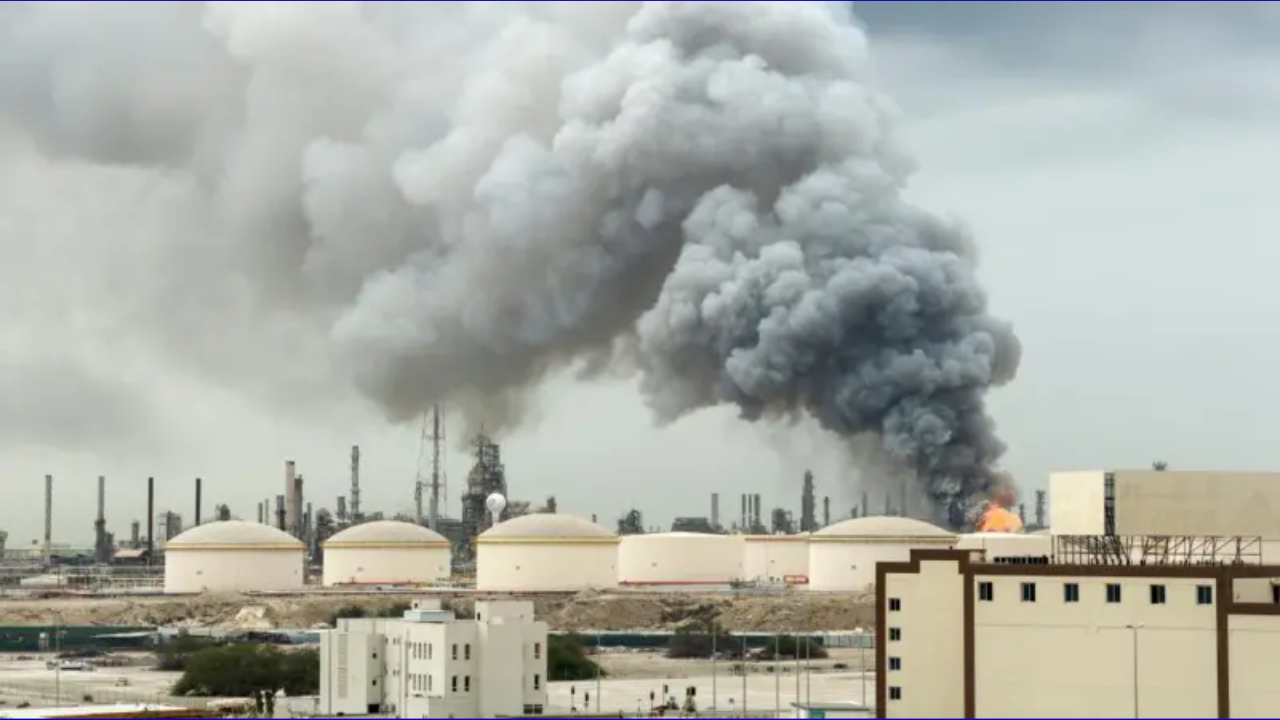
Bahrain’s national energy giant, Bapco Energies, has officially invoked force majeure clauses on its supply contracts today, March 9, 2026. The move follows a significant drone strike on the Sitra refinery, a cornerstone of the kingdom’s economy and a major regional processing hub.
Thank you for reading this post, don't forget to subscribe!The Impact on Operations
The attack targeted the newly modernized Sitra facility, which recently reached a peak capacity of 405,000 barrels per day (bpd).
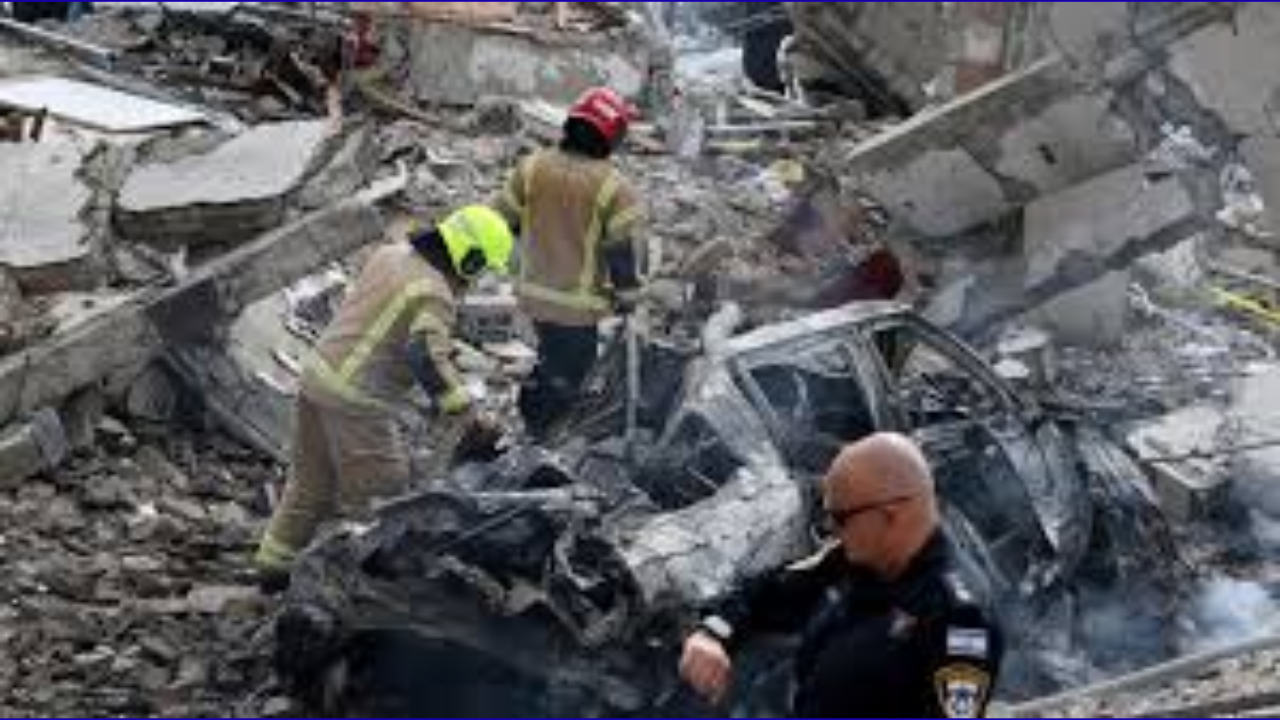
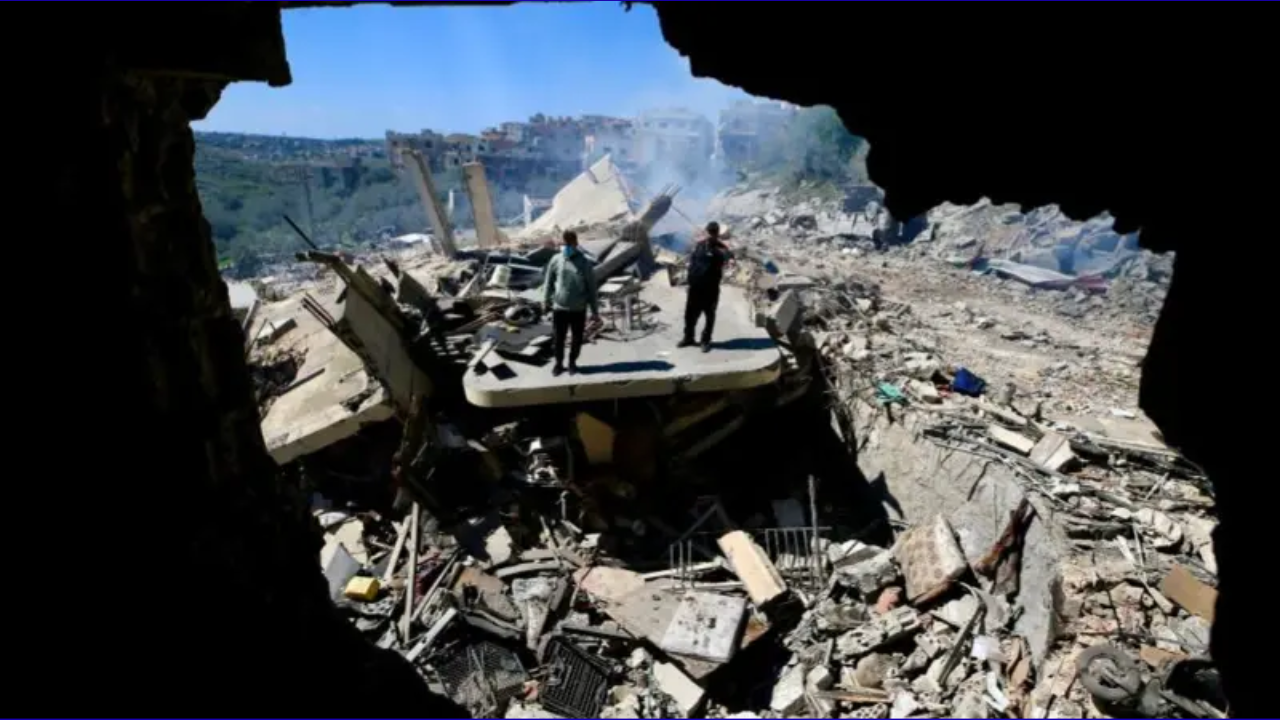
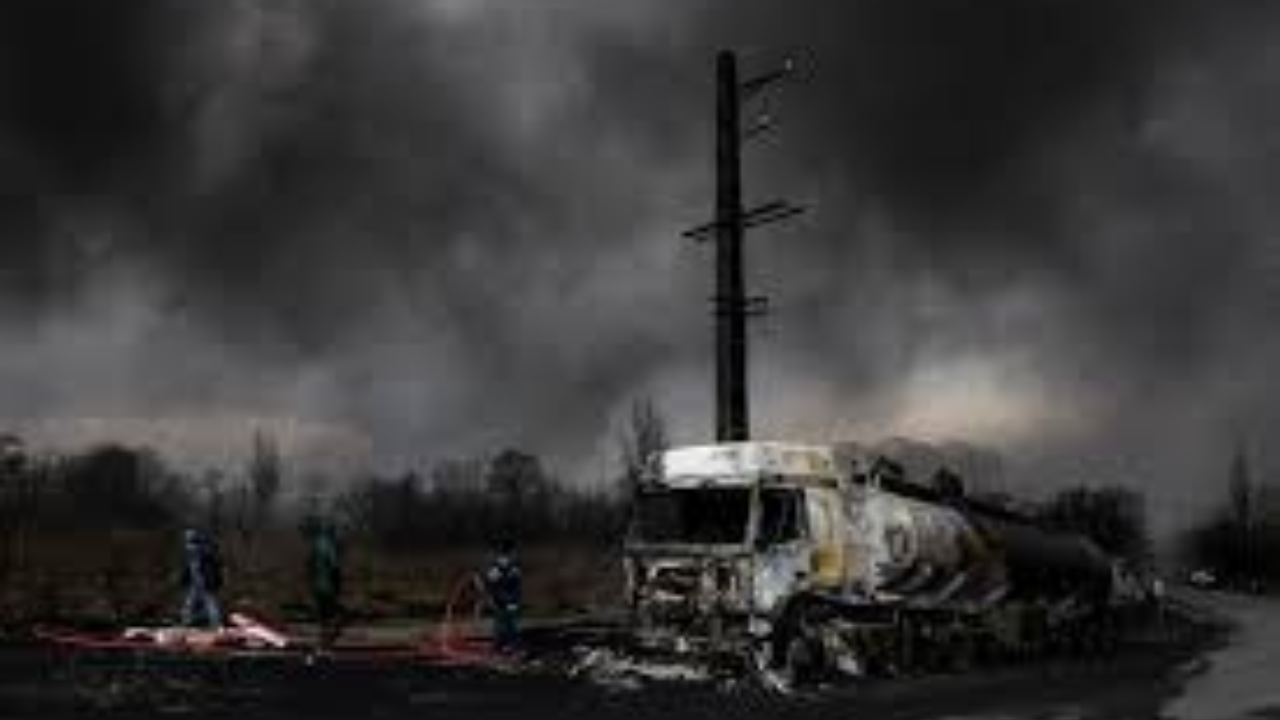
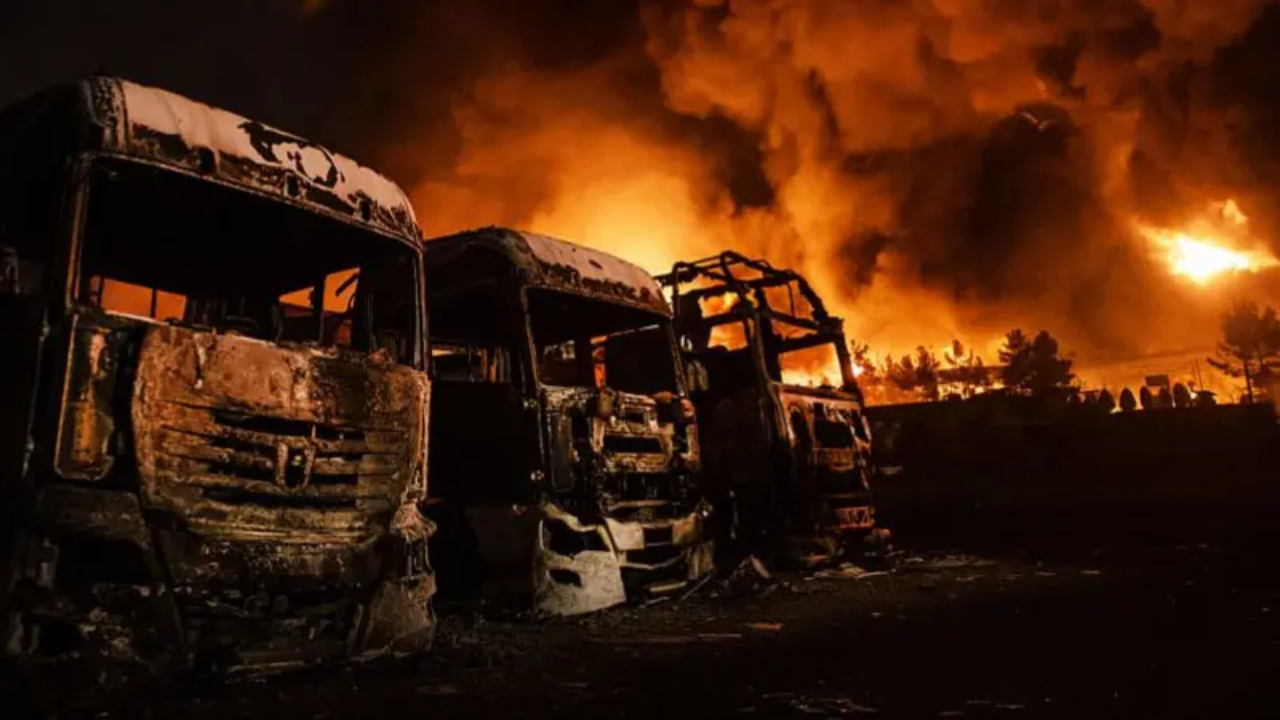
- Infrastructure Damage: Thermal imaging and local reports confirm a major blaze at a primary distillation unit.
- Safety Status: While structural damage is extensive, Bapco has confirmed that all personnel were safely evacuated with no reported fatalities.
- Legal Standing: By declaring force majeure, Bapco is legally protected from liability for failing to meet export volumes due to these “unforeseeable circumstances” beyond its control.
Supply Outlook
| Segment | Current Status |
| Domestic Fuel | Stable. Bapco is tapping into strategic national reserves to ensure local gas stations and power plants remain operational. |
| Global Exports | Suspended. International buyers should expect indefinite delays as the port of Sitra remains under high-security lockdown. |
Global Energy Fallout
This disruption is the latest in a series of “energy-focused” strikes across the Gulf, pushing global markets into a state of high volatility. With the Strait of Hormuz seeing record-low tanker traffic (down roughly 85%), Brent crude is currently testing the $115 per barrel mark. Bahrain now joins Qatar and Kuwait in a growing list of regional producers forced to halt exports due to the escalating conflict.
What this means for the market
The Sitra refinery is a vital “swing” producer for refined products like jet fuel and diesel. Its absence from the market, even temporarily, is expected to spike fuel prices across Europe and Asia.