
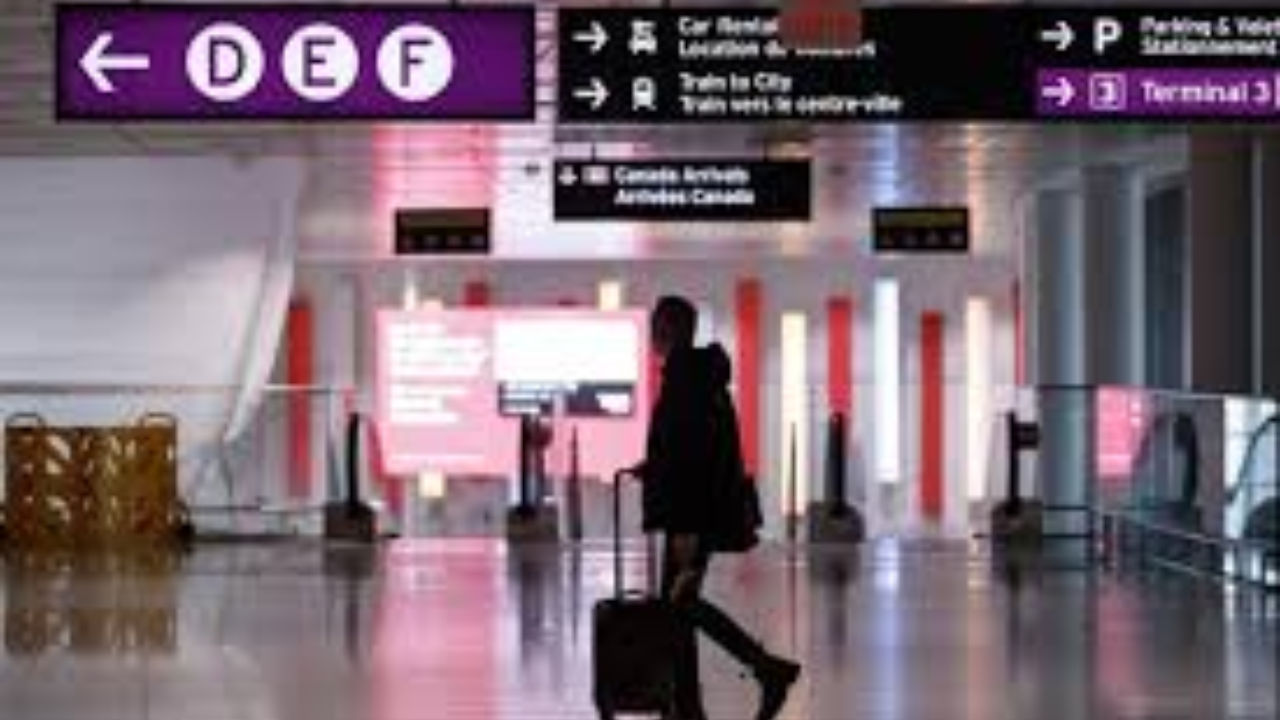
A historic “deep freeze” has settled over Canada, sending temperatures plummeting toward -55°C (with wind chill) and bringing the nation’s aviation industry to a near-standstill. From the Prairies to the Atlantic coast, the extreme cold is proving to be a logistical nightmare for airlines and travelers alike.
Thank you for reading this post, don't forget to subscribe!The Breakdown by City
- The East (YYZ & YUL): Toronto and Montreal are battling “equipment freeze.” Baggage belts are seizing up, and de-icing fluid is struggling to keep pace with the rapid frost accumulation.
- The West (YYC & YEG): Alberta’s airports are seeing the worst of the thermometer. At these temperatures, aircraft hydraulics can become sluggish or brittle, forcing many planes to remain grounded for safety.
- The Coast (YVR): Vancouver is dealing with a messy mix of freezing rain and fog, which has triggered several ground stops throughout the morning.
The “Why”: More Than Just Snow
- Human Limits: Ground crews can only stay on the tarmac for minutes at a time before risking frostbite, causing massive delays in refueling and loading.
- Metal & Fluid Physics: At -40°C, seals can leak, batteries lose significant power, and engine oil becomes thick, making “cold starts” dangerous for the turbines.
- De-icing Thresholds: Standard Type I and Type IV fluids have “lowest operational use temperatures.” Once it gets too cold, the chemicals simply don’t work as intended.
Traveler Survival Guide
Check Before You Trek: Do not leave for the airport without confirming your flight status on the airline’s mobile app. Many carriers, including Air Canada and WestJet, have waived change fees for travel through January 26th.












Comments are closed.