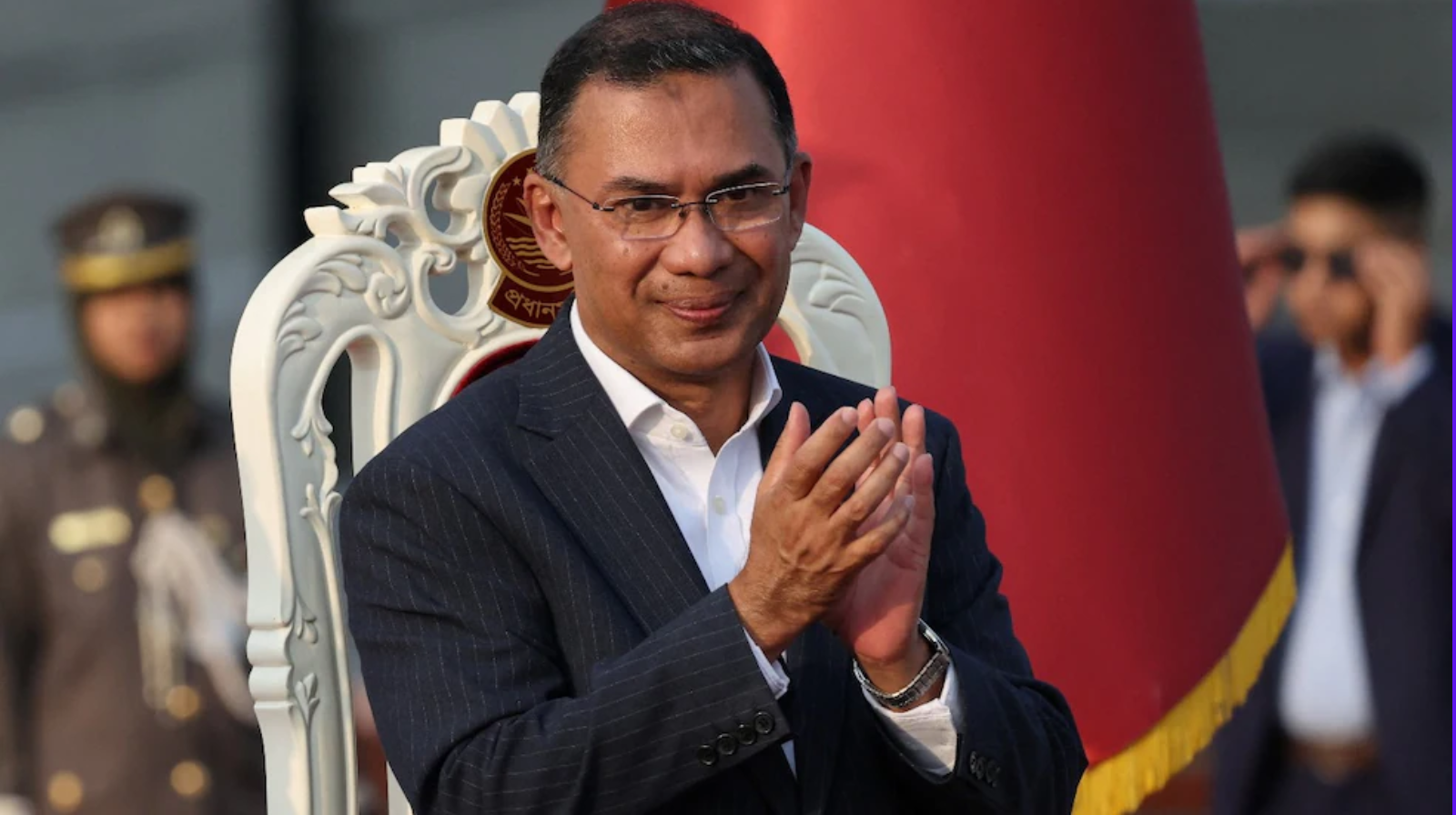
The recent statements by Tarique Rahman regarding the 1971 Genocide mark a calculated departure from the Bangladesh Nationalist Party’s (BNP) historical image. By adopting a firm stance on the atrocities committed by the Pakistan Army, Rahman is signaling a transition toward strategic autonomy, distancing the party from its long-held reputation as a soft-line partner to Islamabad.
Thank you for reading this post, don't forget to subscribe!A New Rhetorical Framework
In his March 2026 addresses, Rahman’s language was characterized by three distinct shifts:
- Historical Accuracy: He explicitly categorized Operation Searchlight as one of the 20th century’s most brutal genocides, leaving no room for the historical ambiguity often associated with past BNP rhetoric.
- Identity Politics: By honoring the “martyrs of the liberation,” he is reclaiming the spirit of 1971, effectively challenging the Awami League’s monopoly on the title of “pro-liberation” party.
- Legal Standing: Referring to the 1971 forces as “occupation forces” underscores a demand for historical accountability that complicates any future “business as usual” approach with Pakistan.
Comparative Shift: Then vs. Now
| Strategic Pillar | Traditional BNP Alignment | The “Rahman Doctrine” (2026) |
| Bilateral Focus | Prioritized Islamic solidarity with Pakistan. | Prioritizes Sovereignty and History over old ties. |
| Regional Geopolitics | Often viewed as counter-India. | Seeks a diplomatic reset with India via common ground. |
| National Narrative | Focused on “Ziaism” and 1975 onwards. | Embraces the full 1971 timeline to build legitimacy. |
| Global Positioning | Leaned toward a China-Pakistan axis. | Pursues Multi-alignment, seeking Western recognition of the genocide. |
Why the Shift is Happening Now
- Domestic Consolidation: To lead a post-uprising Bangladesh, Rahman must resonate with a younger generation that is fiercely nationalistic and less interested in cold-war era ideological blocks.
- International Legitimacy: By aligning with the global movement to recognize the 1971 genocide, the BNP moves closer to the human rights standards advocated by the US and EU.
- The “India Factor”: This shift acts as a diplomatic olive branch to New Delhi. By condemning the 1971 genocide, the BNP removes the primary ideological barrier that has fueled Indian skepticism of the party for decades.
Conclusion
Tarique Rahman’s message is not merely a commemorative gesture; it is a geopolitical pivot. He is attempting to build a “New BNP” that is rooted in the trauma and triumph of the 1971 Independence, signaling to the world—and specifically to Islamabad—that Bangladesh’s future will no longer be shaded by the unresolved ghosts of its past.