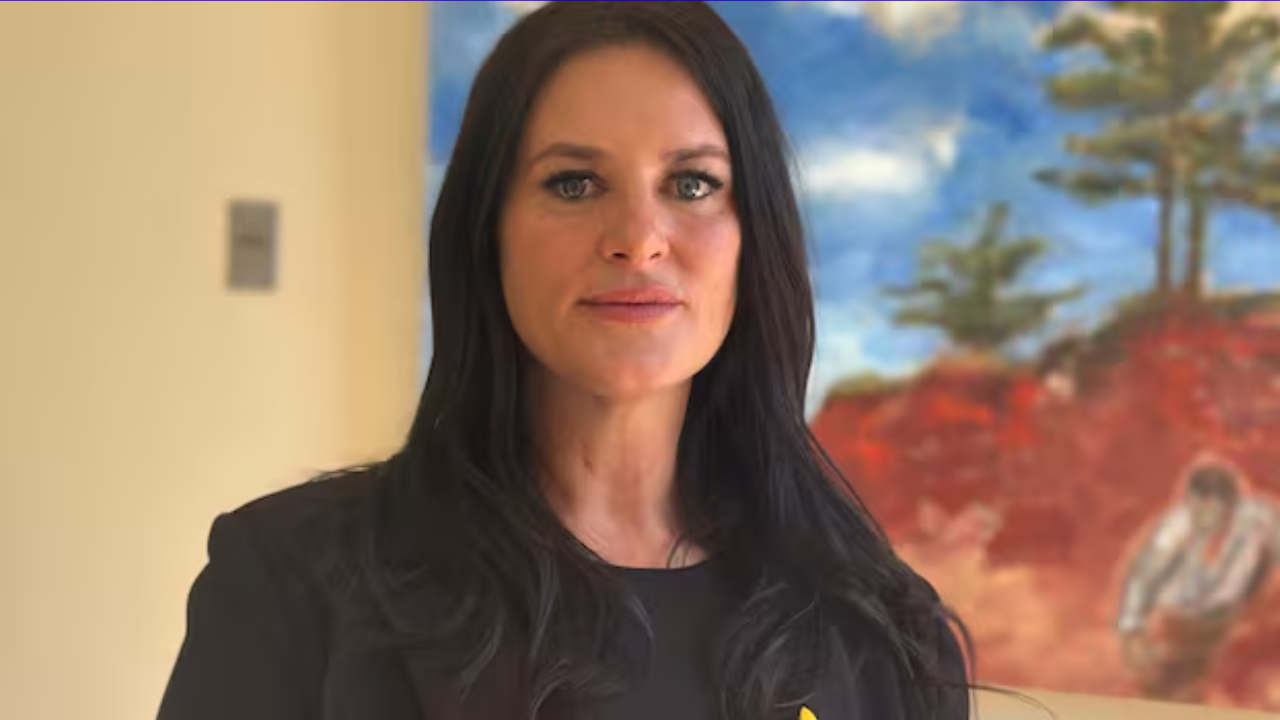
The story of Rose Gervais remains a stark reminder of the “postal code lottery” governing reproductive rights in Quebec. In 2023, Gervais was forced to travel 900 km from the Gaspé Peninsula to Montreal to access a surgical abortion—a journey that highlighted systemic failures that, years later, still plague the province’s healthcare network.
Thank you for reading this post, don't forget to subscribe!The Geographical Divide
- The 12-Week Wall: Many regional hospitals in areas like Gaspésie, Abitibi, and Côte-Nord only provide services up to the 12th week of pregnancy. Patients who discover their pregnancy later, or who face delays in initial testing, are forced to travel to Montreal or Quebec City.
- The “Montreal Magnet”: Because Montreal houses the most specialized clinics, it has become a catch-all for the entire province. This creates a bottleneck, where urban residents face longer wait times because rural patients have nowhere else to go.
Recent Policy Shifts and Progress
| Measure | Description | Status |
| Expansion of the Pill | Lifting restrictions on the abortion pill (Mifegymiso) to allow more family doctors and nurse practitioners to prescribe it. | High Adoption (80% increase in rural use). |
| Travel Subsidies | Increased funding to cover travel and lodging for patients forced to leave their home regions. | Partial Success (Does not always cover support persons). |
| Anti-Misinformation | Funding for a centralized, 24/7 hotline to provide accurate clinical directions and bypass “crisis pregnancy centers.” | Active. |
The Hidden Crisis: Surgical Erosion
Advocates warn of a “silent erosion” of surgical services. As the province pushes medication abortion (the pill) as a solution for rural areas, local surgical expertise is disappearing.
The Road Ahead
As of 2026, the push in Quebec has shifted toward constitutional protection. With the volatility of reproductive rights globally, there is a growing movement to entrench the right to abortion in a provincial constitution. However, for those in remote regions, the debate is less about legal theory and more about the physical distance between their homes and the care they need.