Direct and Punchy
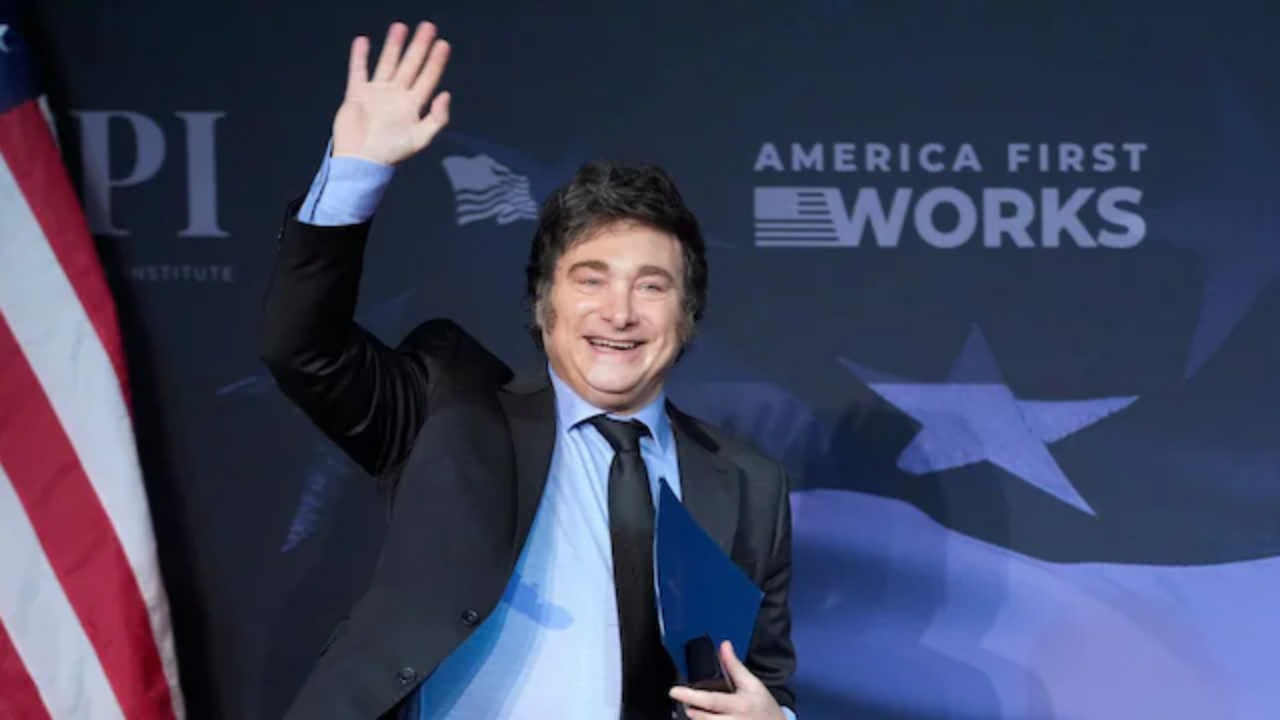
Thank you for reading this post, don't forget to subscribe!The U.S. Treasury has thrown a lifeline to Argentina’s struggling economy and President Javier Milei’s government. In a move described as Washington’s most assertive foreign currency backstop since the 1990s, Treasury Secretary Scott Bessent pledged “large and forceful” support for the Argentine peso, leveraging the $219.5 billion Exchange Stabilization Fund (ESF).
The pledge, backed by a planned meeting between Presidents Trump and Milei, caused an immediate rally in Argentine bonds and the peso. The intervention is a major geopolitical endorsement for Milei, a close ally of Trump. However, the relief may be temporary. Political risks loom with Argentina’s October midterm elections, and economists warn that if Milei’s party struggles, it could reignite turmoil and test both U.S. resolve and investor confidence.
Focused on Cause and Effect
Following weeks of steep losses for the Argentine peso, the U.S. Treasury has stepped in with a dramatic show of support. On September 22, Treasury Secretary Scott Bessent announced that the U.S. would take “large and forceful” action to stabilize Argentina’s currency, using the formidable $219.5 billion Exchange Stabilization Fund (ESF). This action, including potential currency swaps and dollar-debt buybacks, marks a significant geopolitical move to support President Javier Milei.
The announcement immediately boosted Argentine markets. However, the intervention comes with significant caveats. Milei faces a critical midterm election in October, and his reform agenda is vulnerable due to his party’s weak standing in Congress and voter discontent. Observers caution that any political setback could undermine the U.S. rescue and bring back market volatility, given Argentina’s history of financial crises.
Summary format
U.S. Treasury Intervention in Argentina
- What happened? The U.S. Treasury, led by Secretary Scott Bessent, pledged “large and forceful” support to stabilize Argentina’s currency, the peso, on September 22. This pledge involves potentially using the $219.5 billion Exchange Stabilization Fund (ESF) for actions such as currency purchases and debt buybacks.
- Why is it happening? The intervention is a dramatic show of geopolitical support for Argentine President Javier Milei, a key ally of U.S. President Donald Trump. It aims to provide a short-term boost to Argentina’s embattled financial markets, which have been in a state of turmoil.
- What was the immediate impact? The news was met with a positive reaction in the markets, with Argentine bonds, equities, and the peso seeing a temporary rally.
- What are the risks? The long-term success of the intervention is uncertain. Argentina faces midterm elections in October, and Milei’s political future is precarious. A poor electoral showing could weaken his reform program and lead to renewed market instability, putting the U.S. commitment and investor confidence to the test.