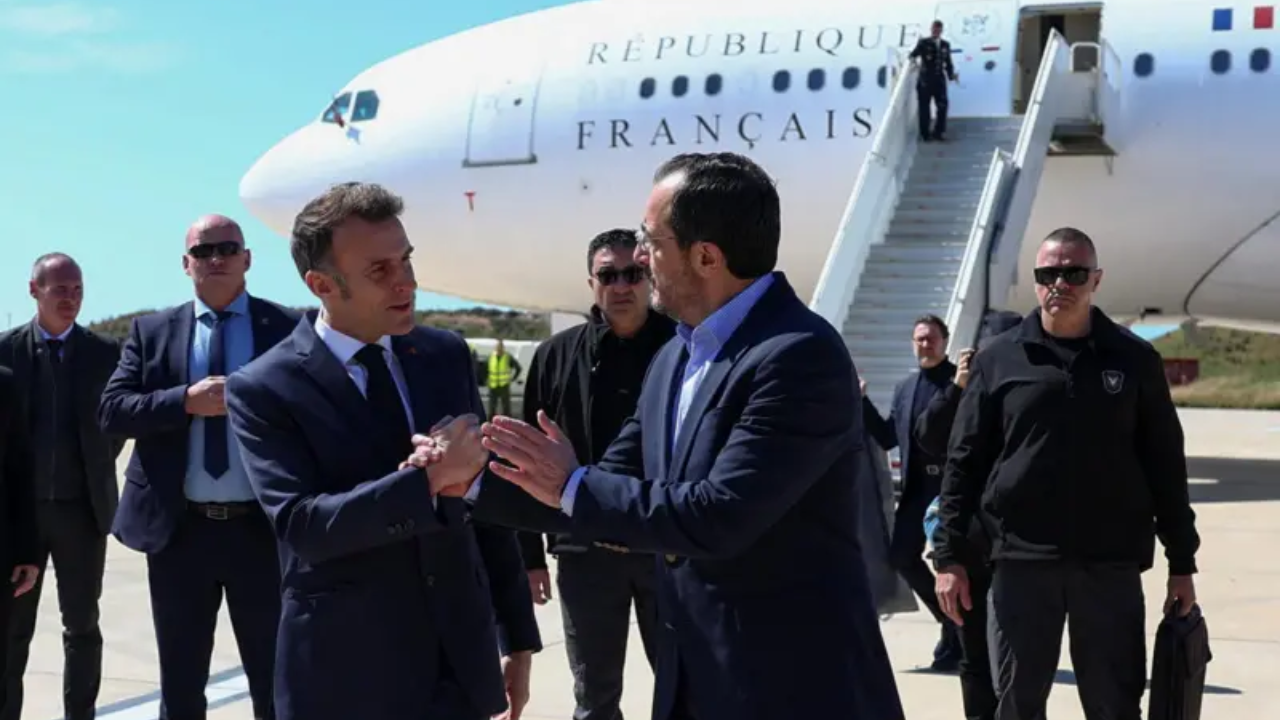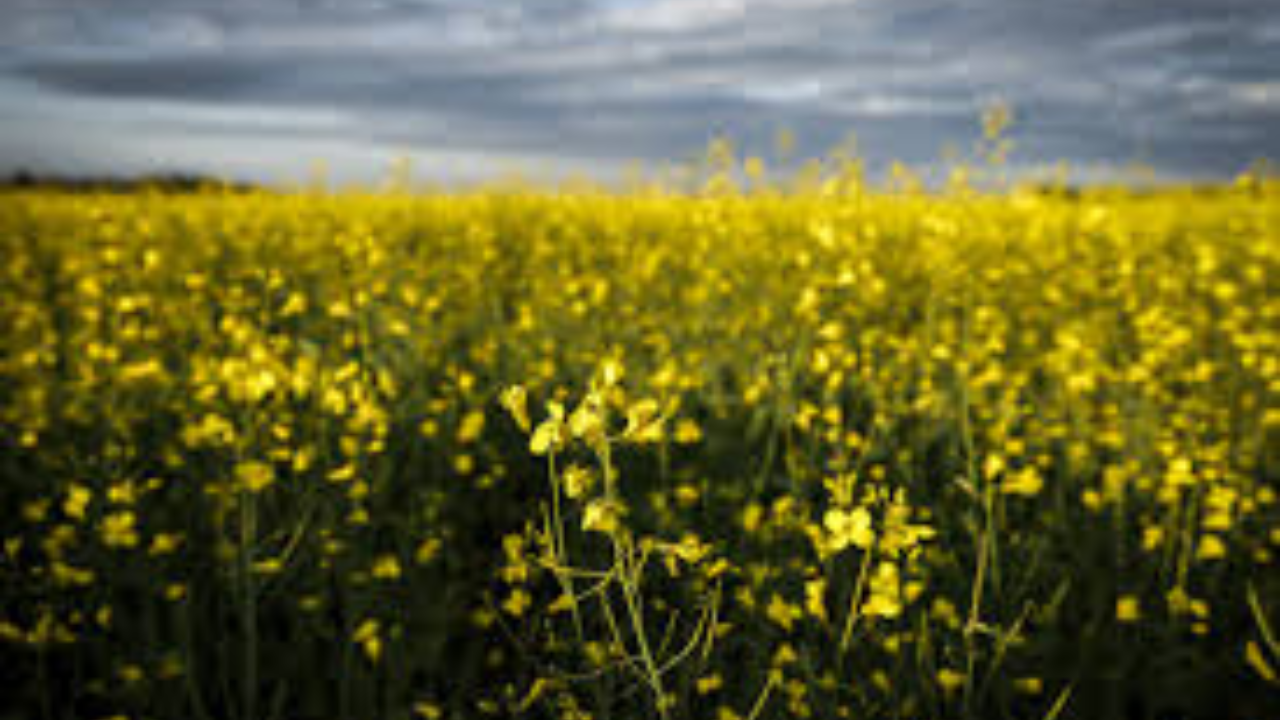
Prime Minister Mark Carney arrived in Beijing on Wednesday (January 14, 2026), marking the first visit by a Canadian leader to China in nine years. While the mission aims to “recalibrate” a decade of icy diplomatic relations, the most urgent pressure is coming from the Canadian Prairies, where farmers are desperate for a resolution to crushing agricultural tariffs.
Thank you for reading this post, don't forget to subscribe!The $2 Billion Question
For Canada’s 40,000 canola producers, the trip is about survival. Since late 2025, China has imposed a series of punishing duties in retaliation for Canadian tariffs on Chinese electric vehicles (EVs).
- The Tariffs: Canadian canola seed is currently hit with a 76% duty, while canola oil, meal, and peas face a 100% levy.
- The Cost: The Canadian Canola Growers Association estimates these barriers will drain $2 billion from the farm economy this year alone.
- The Impact: Exports have effectively halted. While Canada is seeking new markets, industry experts warn that no other buyer can replace the volume or value of the Chinese market.
A Diplomatic Balancing Act
Carney is walking a razor-thin line between domestic industry demands and geopolitical reality:
- The “Moe” Factor: In a rare show of unity, Saskatchewan Premier Scott Moe has joined the federal delegation. His presence underscores the severity of the crisis in the West, where the majority of Canada’s canola is grown.
- The EV Deadlock: China’s ambassador has been clear: the agricultural tariffs disappear if Canada drops its 100% tariff on Chinese EVs. However, Carney faces fierce resistance from Ontario Premier Doug Ford and the auto sector, who argue that removing EV duties would gut Canadian manufacturing.+1
- The “Trump” Variable: With the U.S. moving toward a more protectionist stance under the Trump administration, Carney is framing this trip as a “pivot to resilience”—an effort to diversify Canada’s trade so it is less vulnerable to American policy shifts.
What Success Looks Like
A “win” for this trip would be a commitment to a “predictable” trade path or a temporary suspension of duties while negotiations continue. As one Saskatchewan producer put it: “We don’t need an overnight fix, but we need a signal that it’s still profitable to put seed in the ground this spring.”