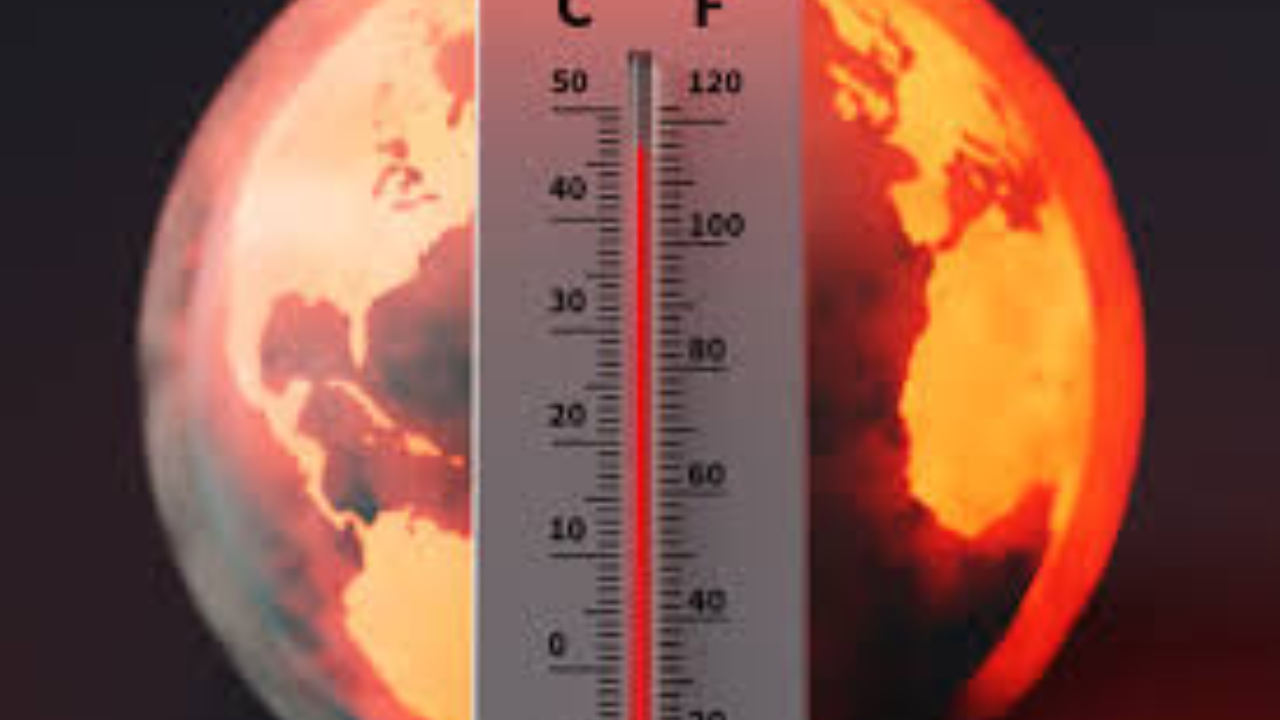
While 2024 remains the hottest year on record, 2025 solidified a dangerous trend: Canada continues to warm at twice the global average. This persistent heat has shifted from being a “statistical anomaly” to a primary driver of environmental and economic instability across the country.
Thank you for reading this post, don't forget to subscribe!Key Climate Impacts
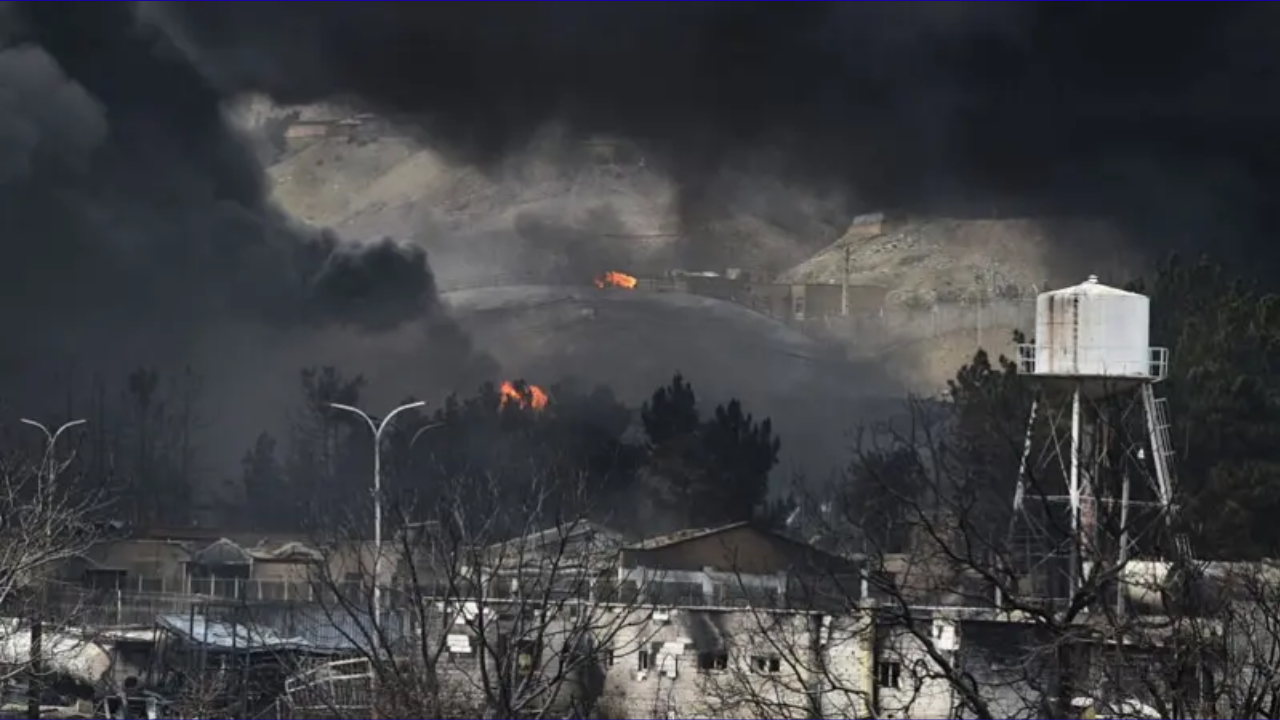
- Severe Wildfire Activity: 2025 became Canada’s second-most destructive wildfire season. Over 8.9 million hectares were consumed—an area comparable to the size of Portugal. These fires disproportionately impacted Indigenous communities and created hazardous air quality across the continent.
- Attributed Heat Waves: Environment and Climate Change Canada (ECCC) confirmed that human-driven climate change made 2025’s summer heat waves 2 to 10 times more likely. Notable records include a late-season spike in Ashcroft, B.C., which reached a staggering 40.8°C.
- Cryosphere Collapse: The loss of “reflective shields” (snow and ice) accelerated. Western glaciers lost roughly 30 gigatonnes of ice, while Arctic sea ice reached historic lows. This led to record storm surges in Northern communities like Tuktoyaktuk, where flooding reached unprecedented levels.
Socio-Economic Consequences
| Impact Area | Consequences in 2025 |
| Financial | Catastrophic loss claims reached billions; home insurance premiums in B.C. surged by nearly 68% over four years. |
| Agriculture | Global and local crop failures led to a 27% spike in coffee prices and increased grocery costs for Canadians. |
| Public Health | Urban “heat islands” in Toronto and Montreal caused a measurable rise in heat-related hospitalizations and mortality rates. |