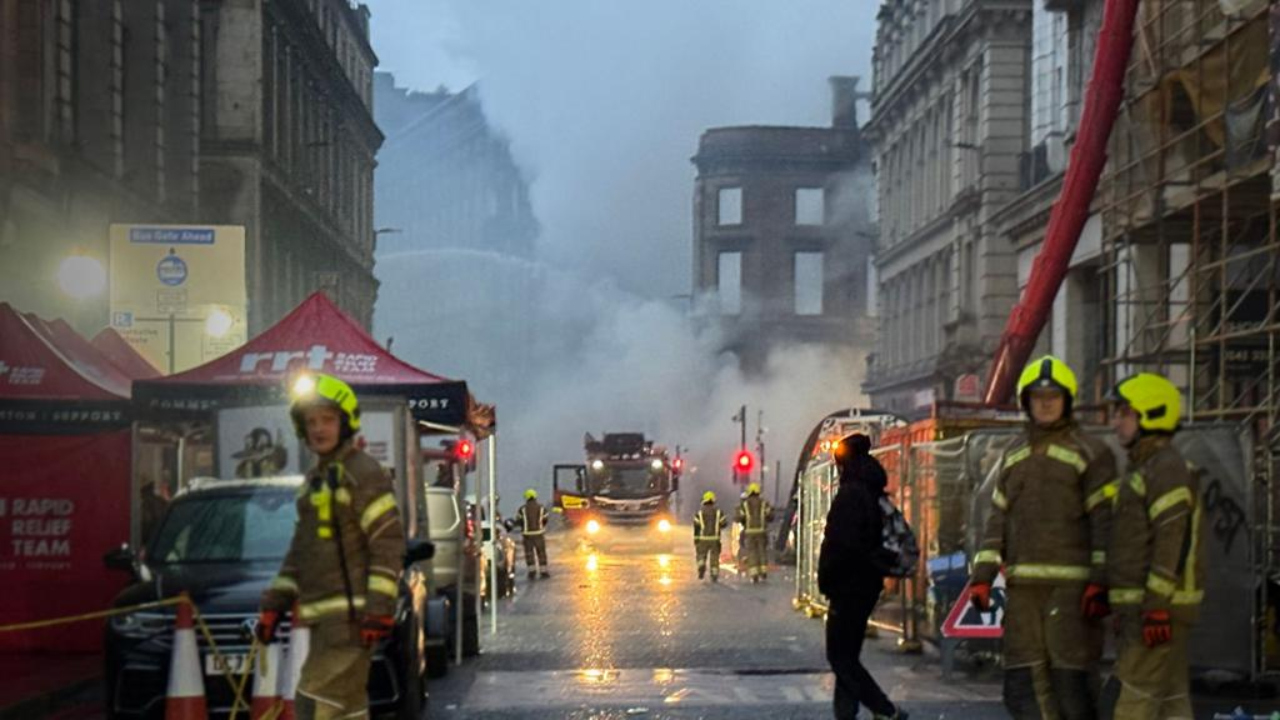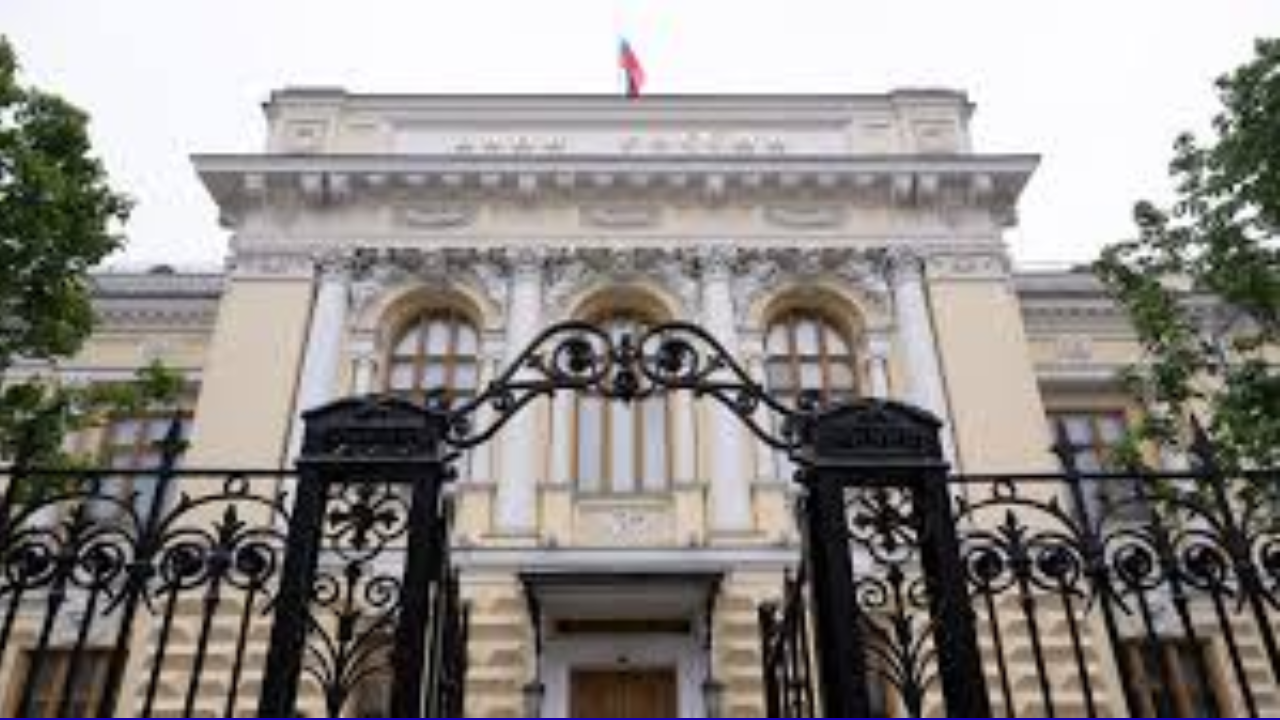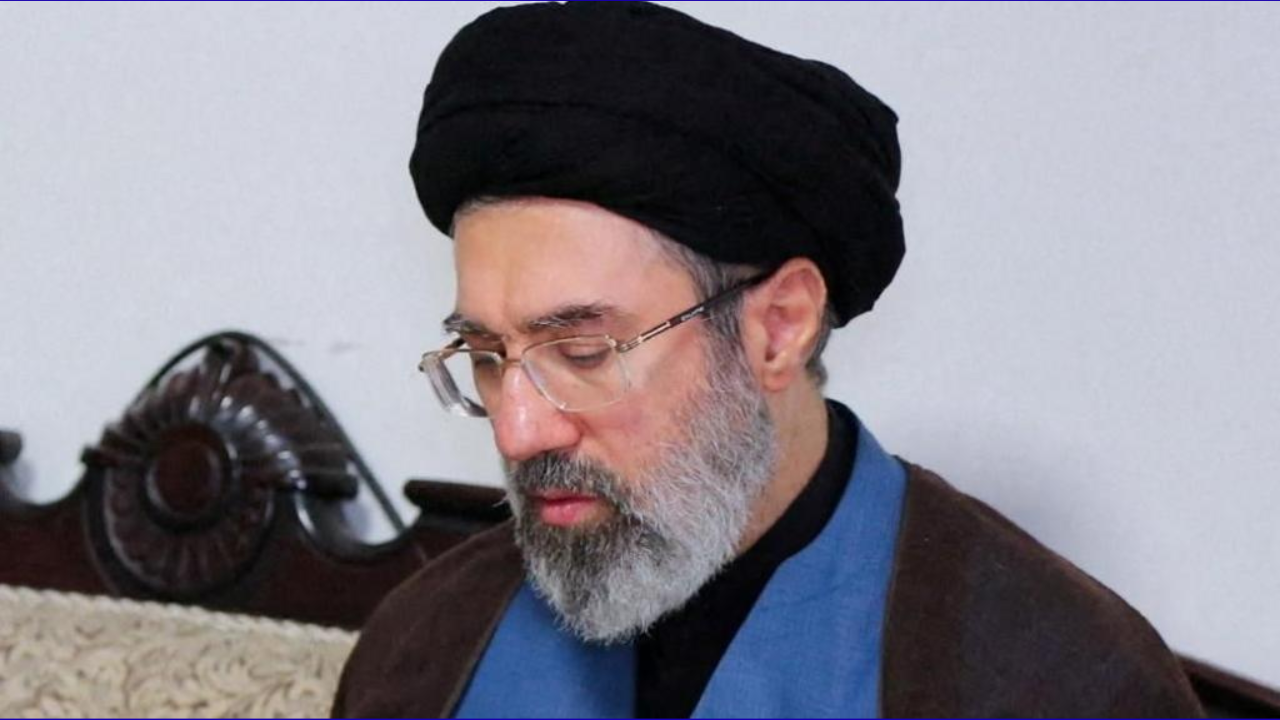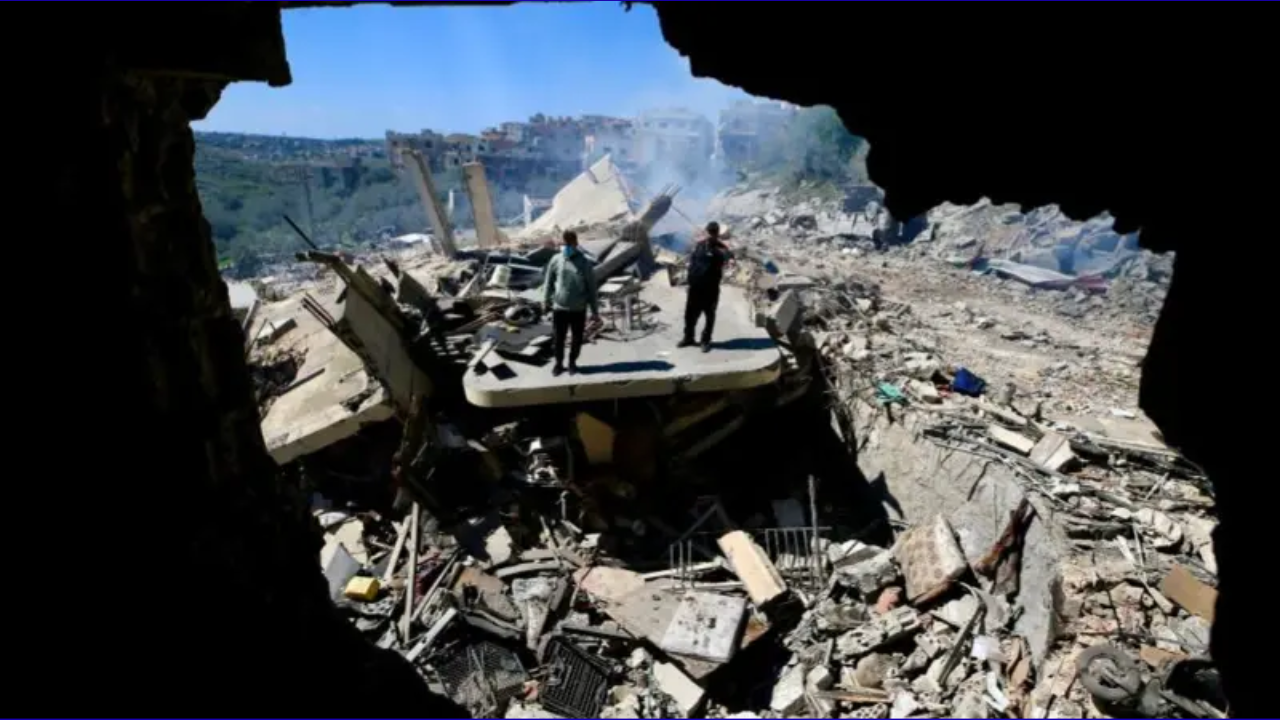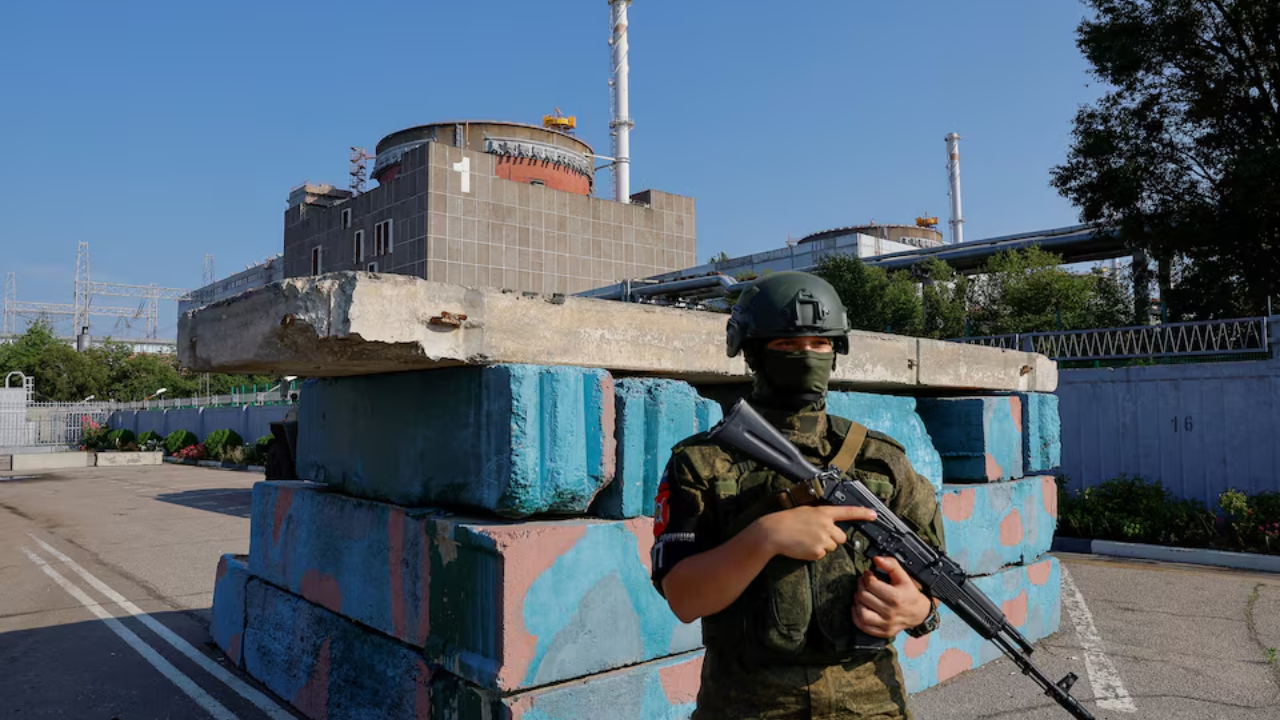
The Zaporizhzhia Nuclear Power Plant—Europe’s largest—remains at the center of a high-stakes standoff. As of late 2025, the situation has moved from a “frozen” state of shutdown into a dangerous new phase of attempted reactivation and complex diplomatic bargaining.
Thank you for reading this post, don't forget to subscribe!1. The Restart Risk: Russia’s Push for Power
After keeping the reactors in “cold shutdown” for safety, Russia is now attempting to bring the plant back online.
- Illegal Licensing: In December 2025, Moscow issued a Russian operational license for Reactor Unit 1.
- The Safety Concern: Experts warn that restarting a reactor in an active war zone is unprecedented. If a cooling failure occurs while a reactor is “hot,” the window to prevent a meltdown shrinks from days to mere hours.
- Grid Integration: Russia has been physically reconnecting the plant to its own power grid, aiming to make the occupation permanent through energy infrastructure.
2. The Infrastructure Crisis
The plant’s safety depends on two things: Electricity and Water. Both are currently compromised.
- Power Blackouts: The plant has suffered dozens of power failures, forcing it to rely on emergency diesel generators. If these fail, the cooling pumps stop.
- The Water Gap: Since the Kakhovka Dam collapse, the ZNPP relies on shallow wells. While enough for a dormant plant, there may not be enough water to support a fully operational facility.
3. Diplomatic Maneuvers: The “Neutral Management” Plan
A significant shift in 2025 has been the introduction of unconventional peace proposals.
- Trilateral Oversight: There are active discussions regarding a plan where the United States would act as a neutral supervisor, with the plant managed by a joint Ukrainian-Russian-American committee to ensure global safety.
- Zelenskyy’s Stance: Ukraine continues to demand a full withdrawal of Russian troops and the return of the plant to the Ukrainian energy company, Energoatom, as part of any peace settlement.
Summary Table: Current Status vs. 2026 Outlook
| Feature | Current Status (Dec 2025) | Projected Risk for 2026 |
| Reactor State | Cold Shutdown | Partial Restart (Unit 1) |
| Staffing | Massive shortages; Russian oversight | High risk of human error |
| Cooling Water | Stable but limited | Insufficient for full operation |
| Control | Russian military occupation | Potential neutral “Joint Management” |