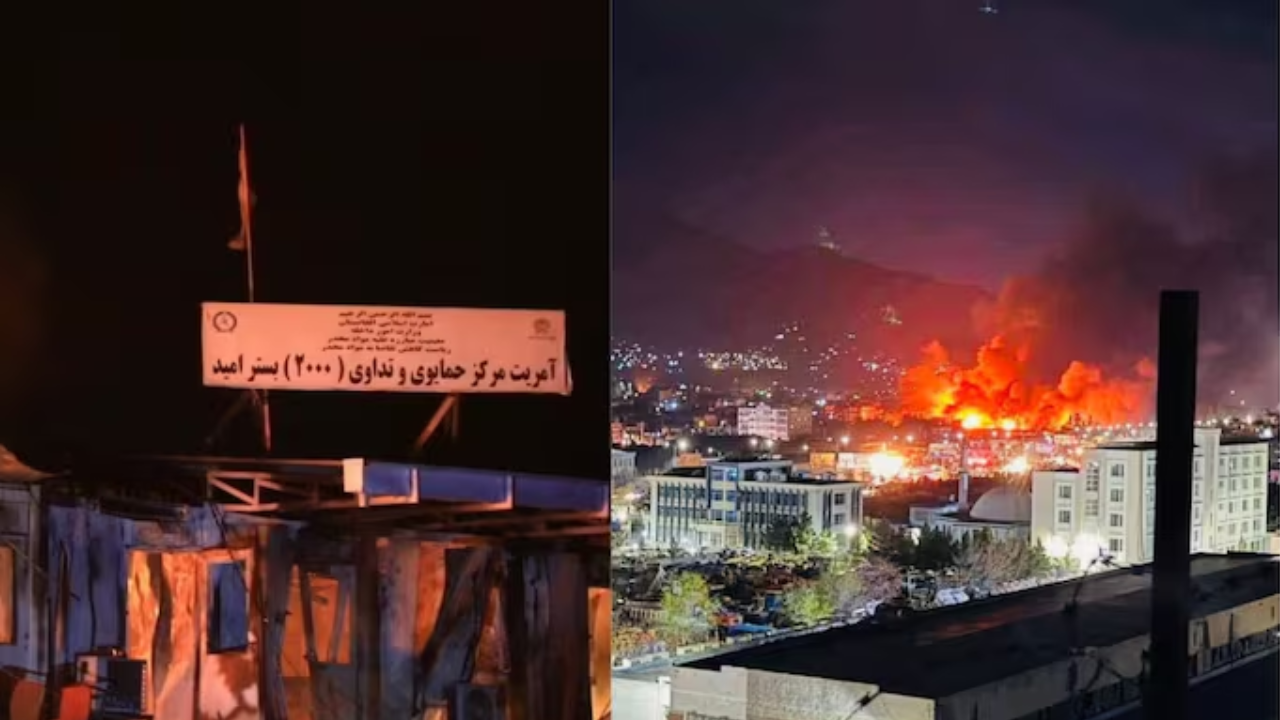
For years, Beijing preferred to watch the friction between Islamabad and Kabul from the sidelines. But as of March 2026, “shuttle diplomacy” is no longer a choice—it’s a necessity. With the border regions spiraling into open conflict, China has pivoted from a silent partner to an active mediator.
Thank you for reading this post, don't forget to subscribe!Here are the four primary drivers behind this strategic shift:
1. The “CPEC” Survival Strategy
The China-Pakistan Economic Corridor (CPEC) is the $62 billion “crown jewel” of China’s Belt and Road Initiative.
- Infrastructure at Risk: Constant skirmishes along the Durand Line threaten the very roads and pipelines China spent a decade building.
- Security Costs: Frequent attacks on Chinese engineers by militant groups (like the TTP and BLA) have forced Beijing to intervene. They realize that no amount of security personnel can protect an investment in the middle of a hot war.
2. Filling the Diplomatic Void
With the U.S. and Middle Eastern powers currently bogged down by the Israel-Iran crisis, a leadership vacuum has emerged in South Asia.
- China is seizing this moment to act as the “stabilizing anchor.”
- By brokering peace where others haven’t, Beijing earns massive “soft power” points, proving it can manage global security crises without firing a single shot.
3. Containment of Extremism
Beijing’s biggest nightmare is a “spillover” effect.
- Border Security: China fears that if the Taliban cannot control its territory, militant groups like the ETIM will use the chaos to target China’s western province, Xinjiang.
- The Taliban Paradox: As one of the few nations still engaging with Kabul, China is using its economic leverage to force the Taliban to finally crack down on the cross-border sanctuaries that are fueling the conflict.
4. Unlocking the “Lithium Prize”
Afghanistan holds an estimated $1 trillion in untapped minerals, including the lithium required for China’s global EV dominance.
- The Logistics Barrier: You can’t mine lithium in a war zone.
- China needs a peaceful, functioning border between Pakistan and Afghanistan to transport these resources out of the mountains and into Chinese factories.
Current Outlook: The ceasefire brokered by Chinese Envoy Yue Xiaoyong on March 19, 2026, is a major diplomatic win, but it remains “thin ice.” Until the fundamental dispute over militant sanctuaries is solved, the peace is strictly provisional.