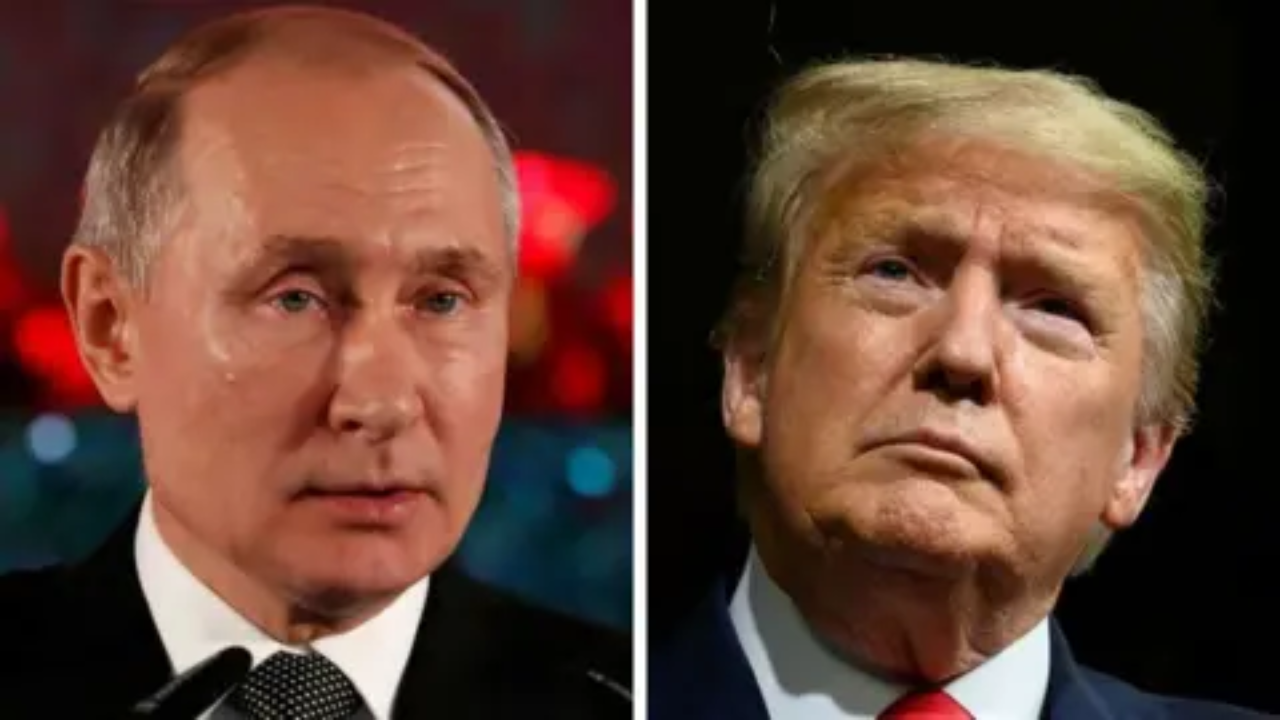
In a move that has rattled the geopolitical landscape, the U.S. Treasury’s decision to issue a 30-day “emergency waiver” on Russian oil sanctions has backfired on the diplomatic stage. While the White House frames the move as a desperate fire extinguisher for a burning global economy, allies are calling it a “betrayal of resolve.”
Thank you for reading this post, don't forget to subscribe!A Pragmatic Pivot or a Costly Concession?
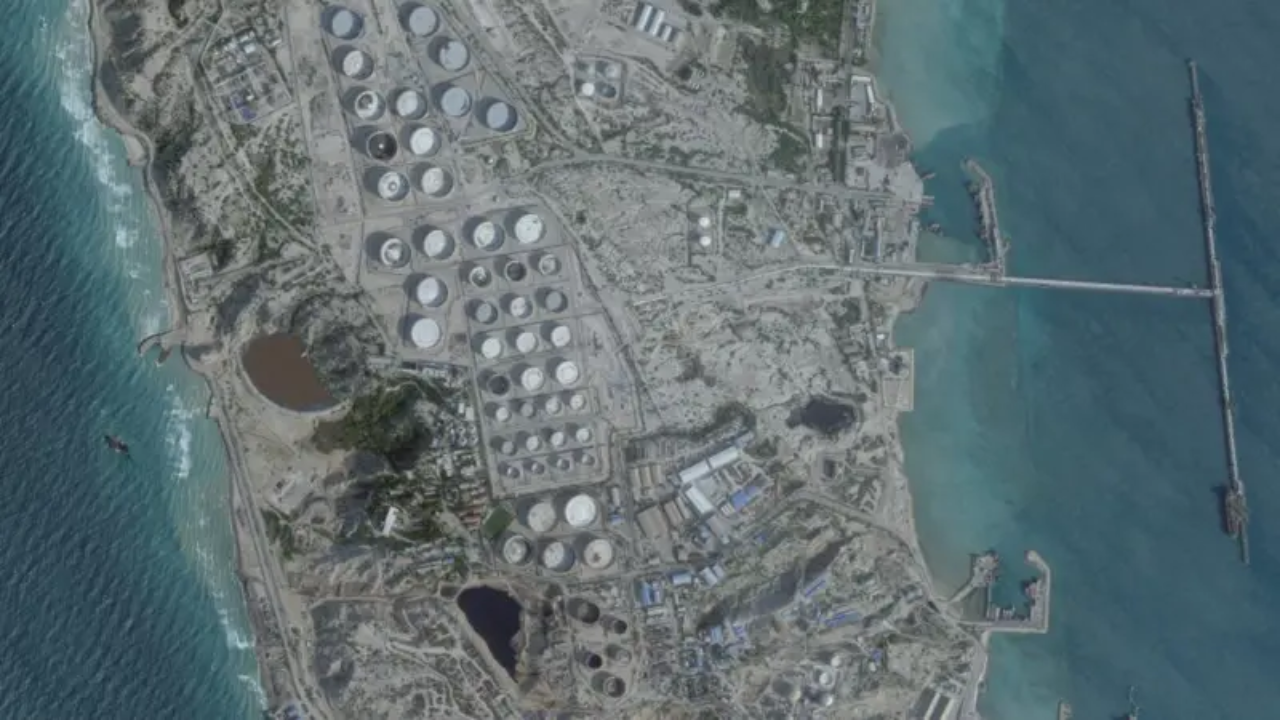
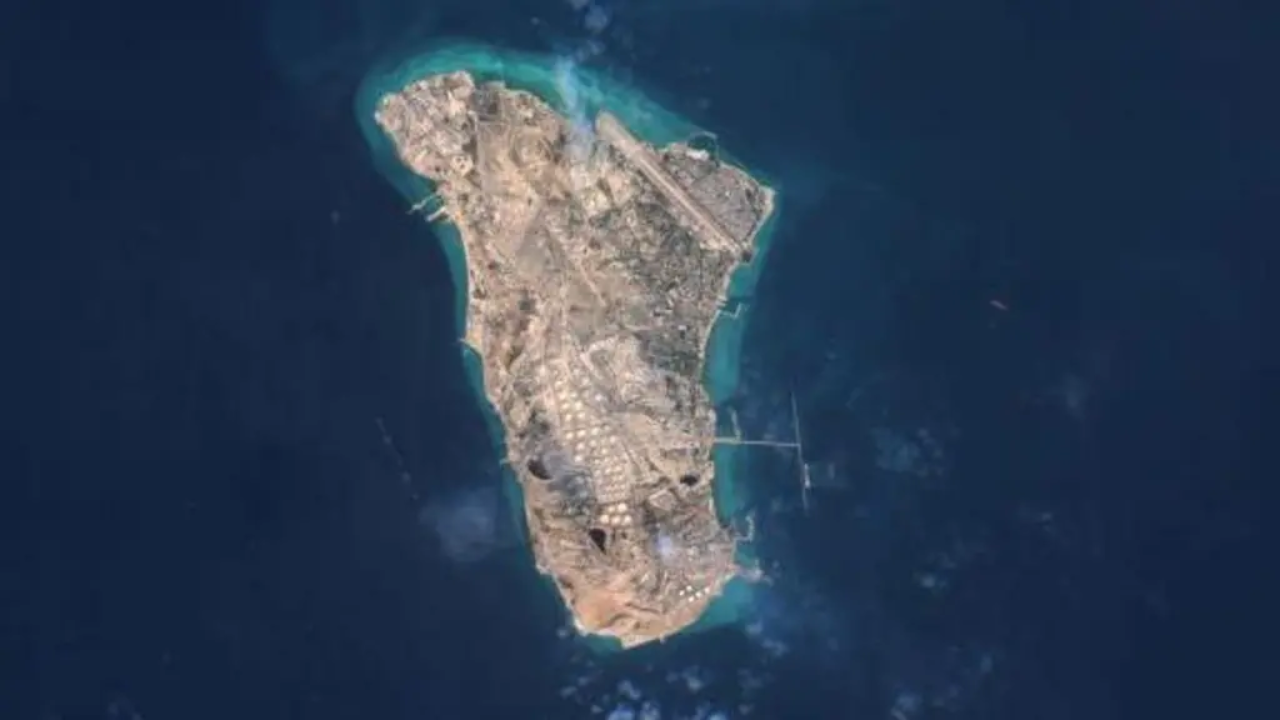
The catalyst for this shift wasn’t a change of heart toward Moscow, but the escalating crisis in the Middle East. With the Strait of Hormuz effectively shuttered, the sudden disappearance of 10 million barrels of daily supply sent Brent crude screaming past $100 per barrel.
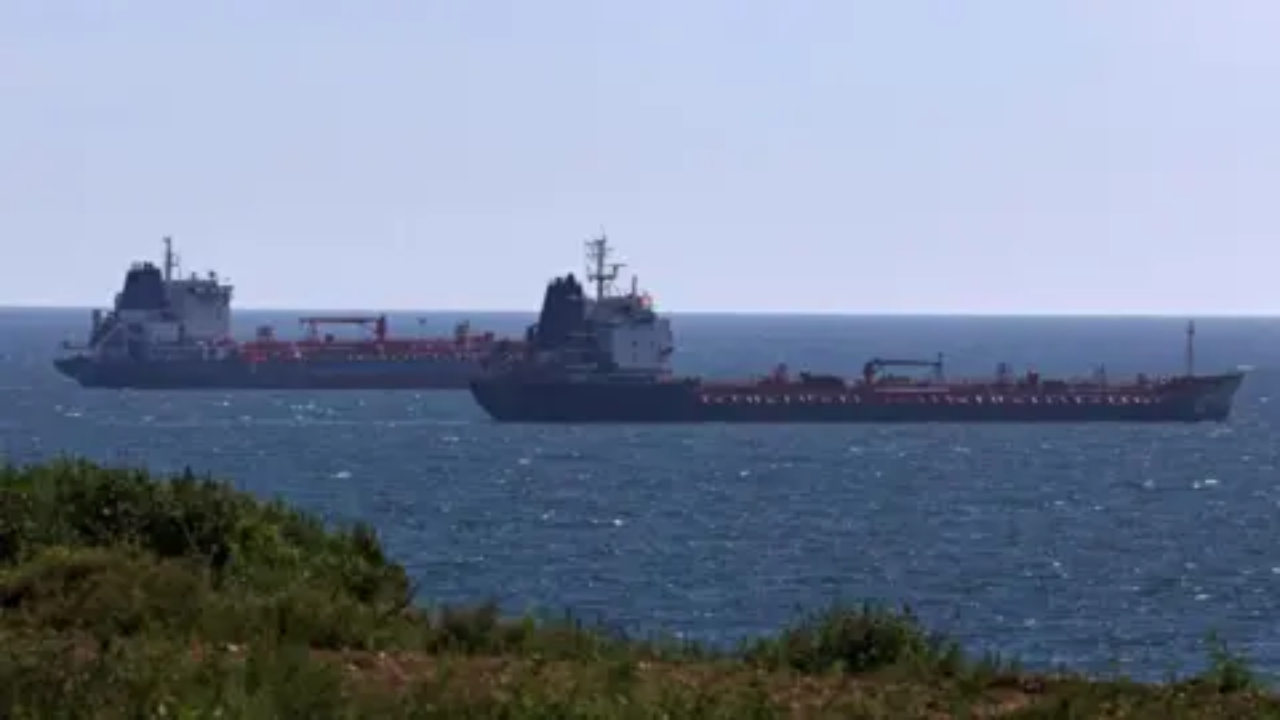
The U.S. argues that the 124 million barrels of Russian oil currently “stranded at sea” are a necessary evil to prevent a global inflationary collapse. However, the optics are grim:
- The Revenue Loophole: Critics argue this “temporary” reprieve hands the Kremlin a $10 billion windfall just as the spring offensive in Ukraine intensifies.
- The “Wrong Signal”: European leaders, led by Germany’s Chancellor Merz, fear this unilateral move fractures the unified front against Russia, signaling that Western resolve ends where the gas pump begins.
The Breakdown of Criticism
| Group | Primary Concern |
| Ukraine | Direct funding of Russian military hardware and drone production. |
| European Union | Compromised regional security and lack of prior consultation by Washington. |
| Energy Analysts | The “Urals discount” is evaporating, making Russian oil more profitable than it has been in years. |
The Bottom Line
The U.S. is betting that a 30-day “release valve” will lower costs for American voters and global industry. Yet, with oil prices stubbornly hovering at $103, the market seems unconvinced. Washington finds itself in a precarious position: trying to starve the Russian war machine while simultaneously needing its oil to keep the lights on in the West.