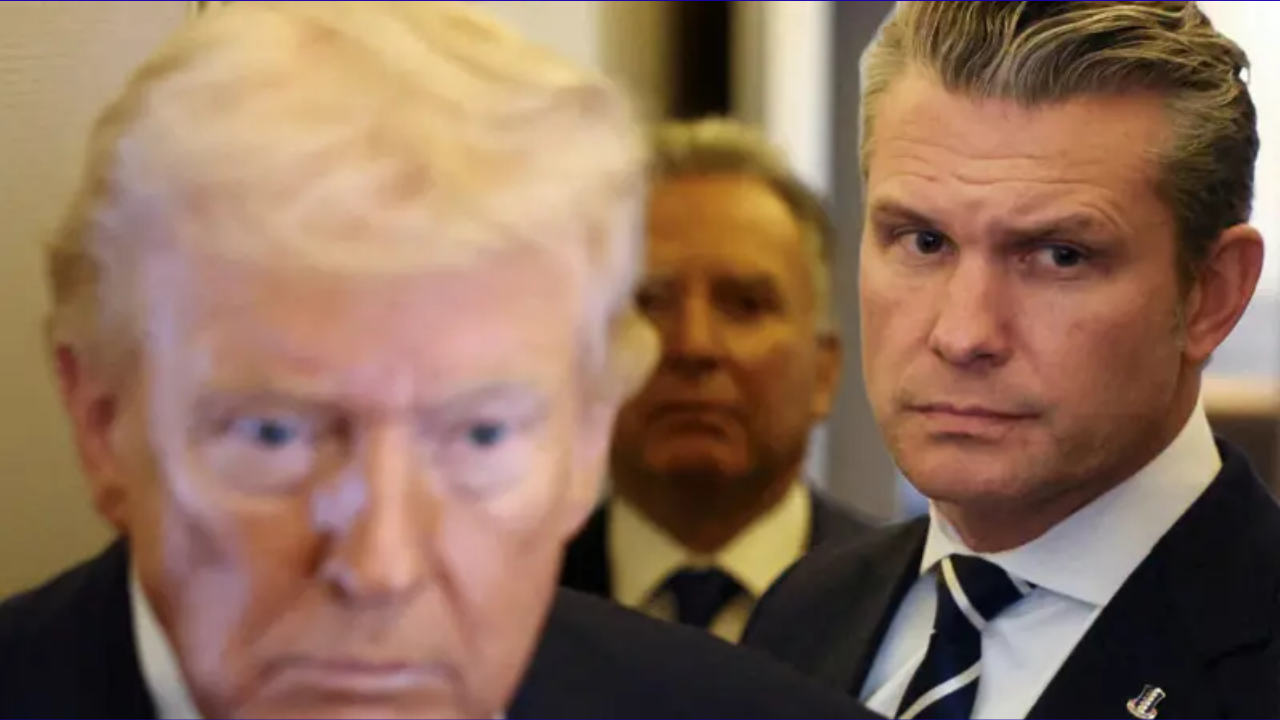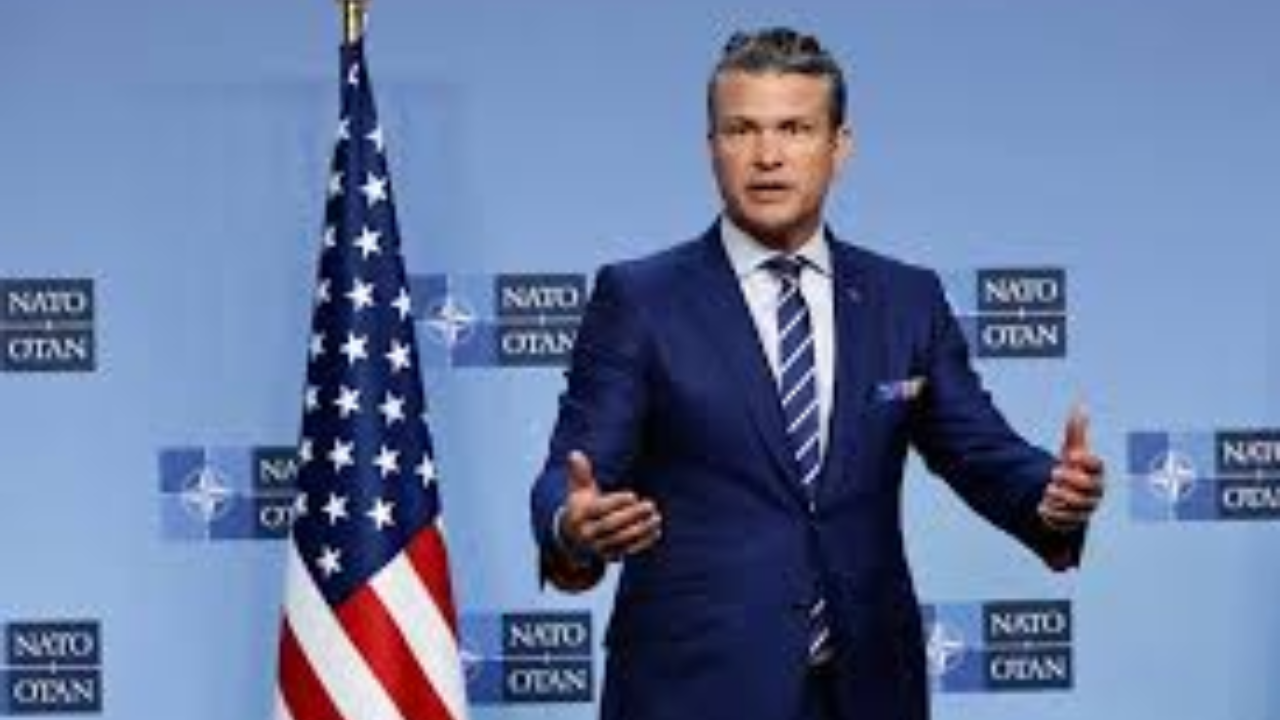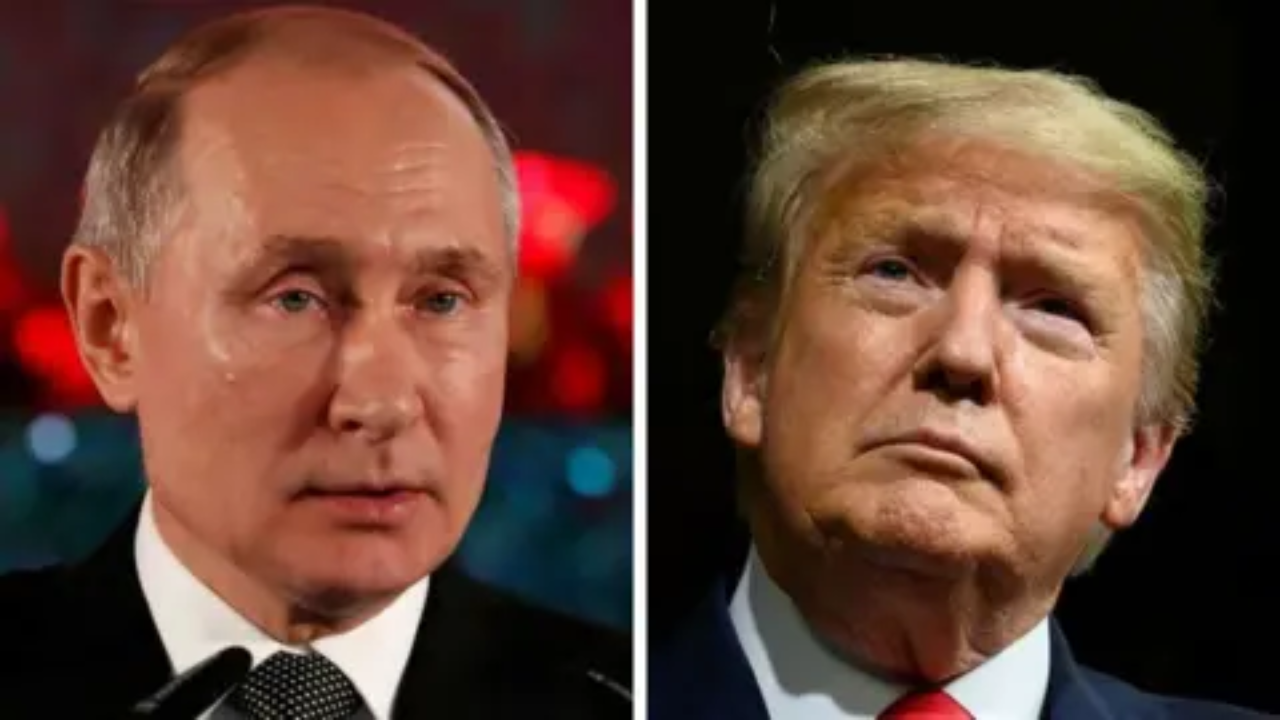
In a major policy pivot in March 2026, the Trump administration issued temporary waivers on specific Russian oil sanctions. This move wasn’t a gesture of goodwill toward Moscow, but rather a “firewall” strategy designed to protect the American economy from the fallout of the U.S.-Israel conflict with Iran.
Thank you for reading this post, don't forget to subscribe!The Drivers Behind the Decision
The administration’s logic rests on three main pillars:
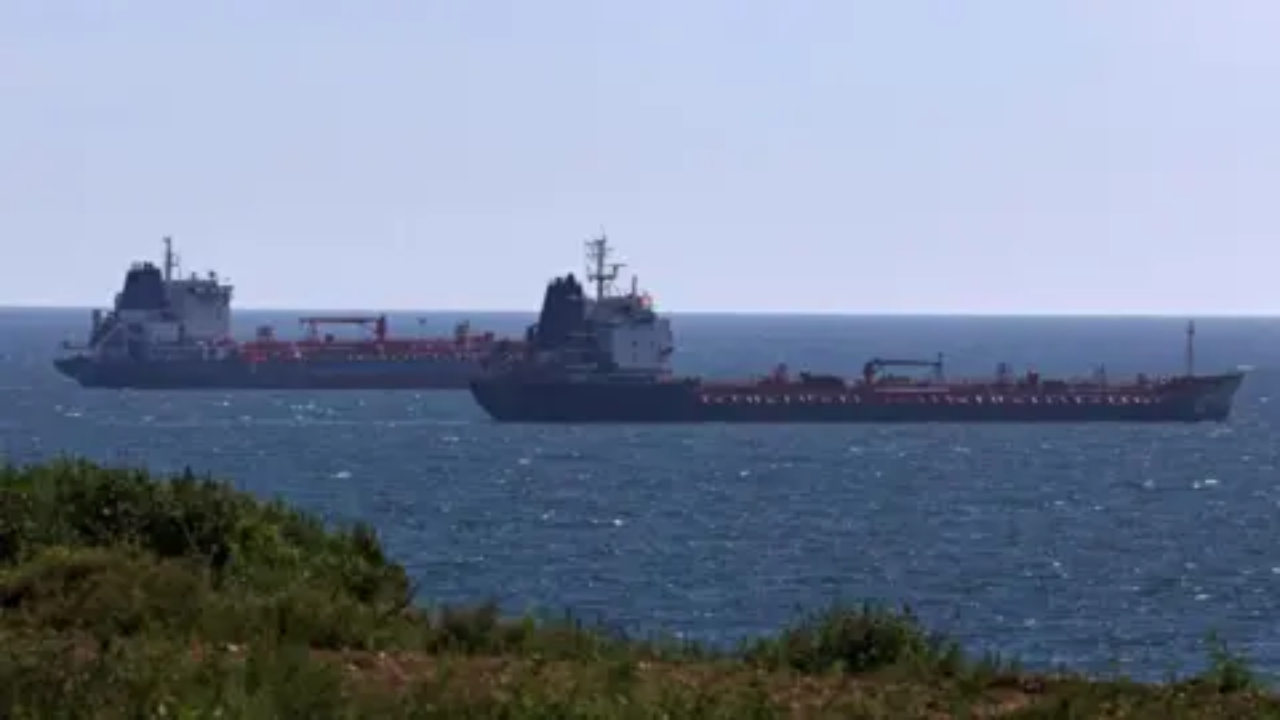
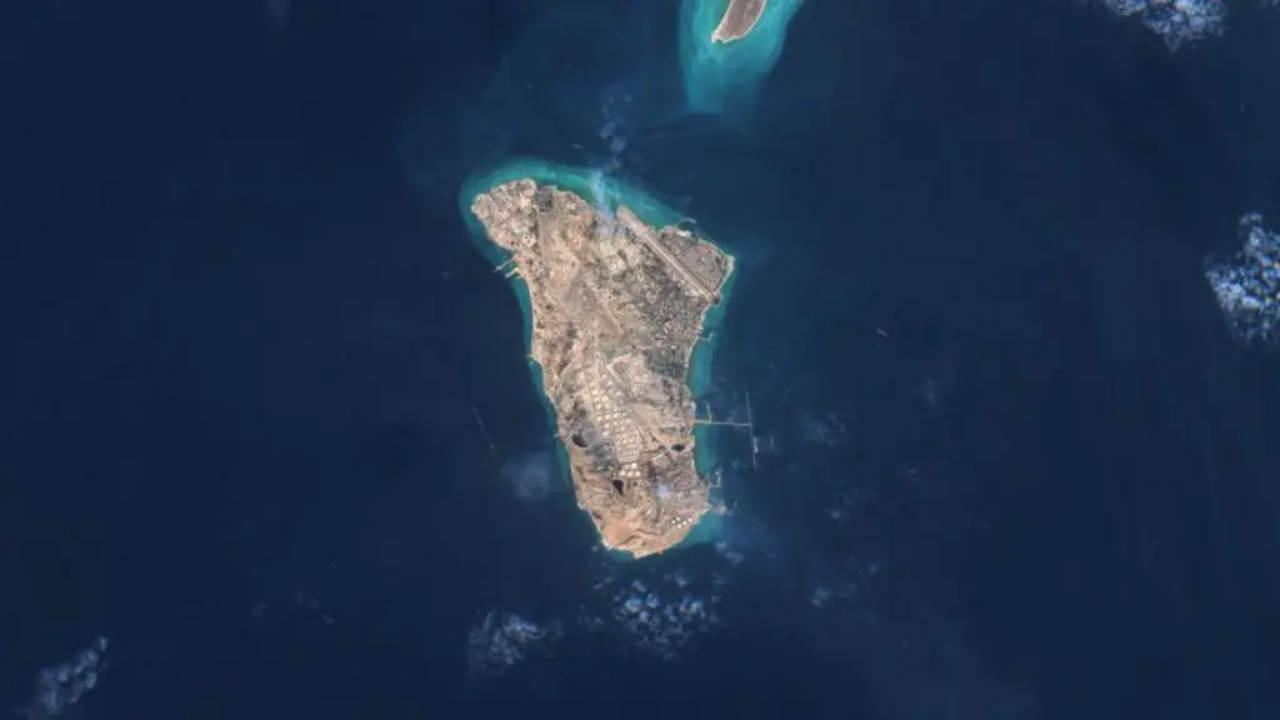
- The “Hormuz Factor”: With the Strait of Hormuz effectively a war zone, global oil supply is under unprecedented threat. The U.S. moved to unlock 125 million barrels of stranded Russian oil to prevent a catastrophic price surge at the pump.
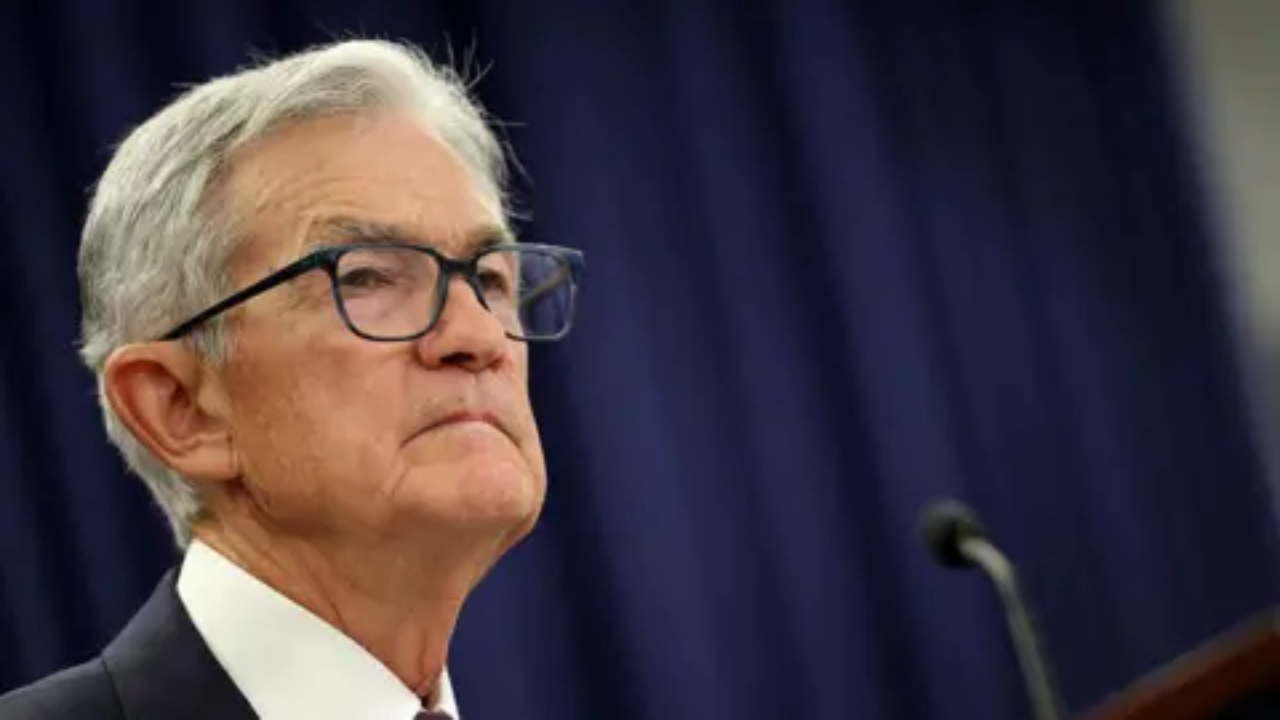
- Economic Stabilization: Treasury Secretary Scott Bessent framed the move as a pragmatic necessity. By allowing this “sunk” oil to reach the market, the U.S. aims to curb domestic inflation and stabilize global energy indices.
- Geopolitical Balancing: The waiver follows a 30-day reprieve for India, ensuring that a key democratic partner remains economically stable while Middle Eastern supplies are restricted.
The Putin Question: Who Really Wins?
Whether this helps the Kremlin depends on who you ask. The debate centers on “new money” versus “old money.”
| The Argument Against the Waiver | The Argument For the Waiver |
| Increased Revenue: Ukraine argues this could inject $10 billion into Russia’s war efforts, allowing Putin to leverage higher global prices. | Sunk Costs: The U.S. argues this oil was already extracted and taxed; letting it sell now doesn’t change the Kremlin’s bottom line significantly. |
| Market Legitimacy: Analysts suggest the “Urals discount” (the forced low price Russia has to accept) is shrinking, potentially netting Russia an extra $150 million daily. | Inflation Control: The administration maintains that a global recession caused by $200 oil would hurt the West far more than the waiver helps Russia. |
The Bottom Line
While the broader sanctions framework remains, this temporary “release valve” represents a calculated risk. The administration is essentially betting that the immediate threat of a global energy collapse is a more urgent priority than the long-term goal of isolating Russian energy exports.