Global diplomatic circles are warning that skyrocketing oil prices are providing a critical boost to Russia’s public finances, effectively insulating its “war economy” from the impact of Western sanctions.
Thank you for reading this post, don't forget to subscribe!For the past several years, Moscow has struggled under a coordinated regime of international energy sanctions and a strict EU/UK price cap, currently set at $44 (£33) per barrel. This sustained financial pressure recently forced the Kremlin to drain its gold reserves and hike consumer taxes to keep the government solvent. However, the current market volatility is rapidly refilling the Kremlin’s coffers.
The Geopolitical Shift
The surge is driven by two primary factors that have turned the tide in Russia’s favor:
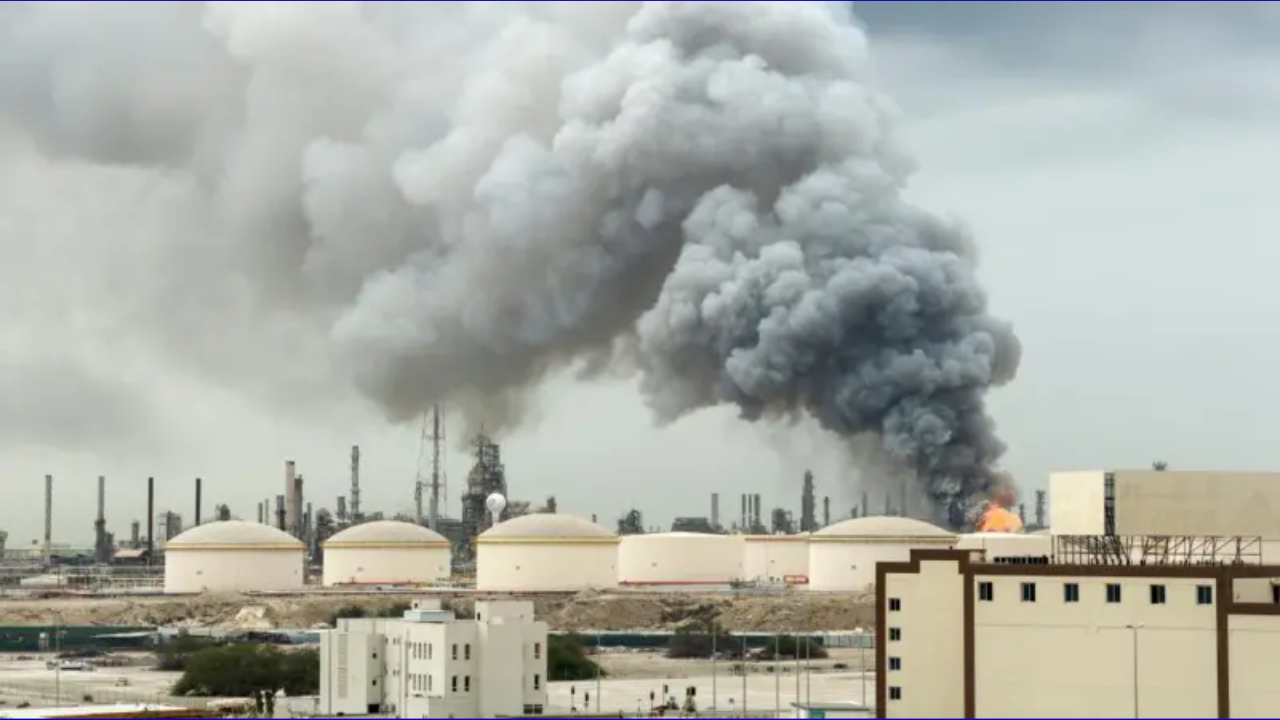
- Supply Choke Points: Fears of supply disruptions via the Strait of Hormuz have made Russian oil—which is geographically accessible and largely unaffected by Middle Eastern shipping risks—highly attractive to global buyers.
- The Indian Exception: In a pragmatic move to stabilize global markets, the U.S. recently eased sanctions temporarily. This allows India to process Russian oil shipments already at sea, providing Moscow with an immediate cash infusion.
Pressure on Kyiv and Europe
The energy crisis is also creating friction within the European Union. Kyiv is facing mounting pressure from the EU to repair and reopen a vital pipeline—previously damaged by Russian strikes—that transports crude to Hungary. With energy security at stake, the unity of the European response is being tested by internal demand for Russian supply.
A Strategic Distraction
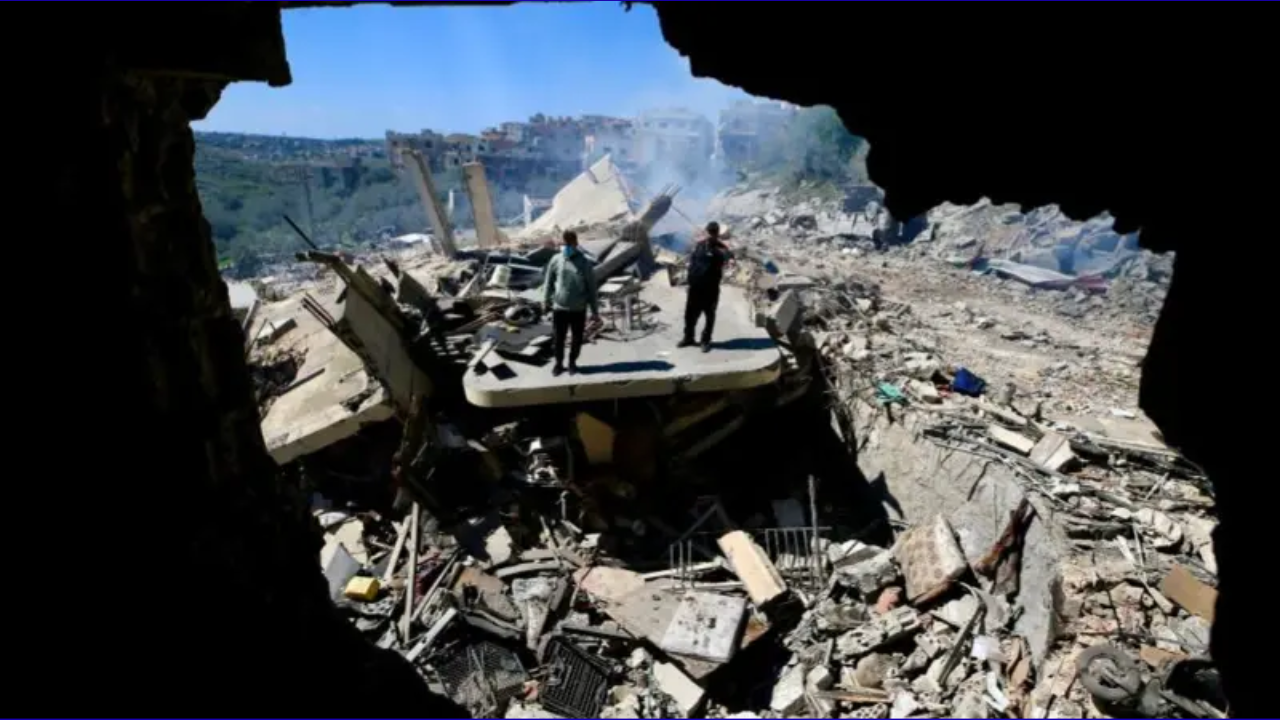
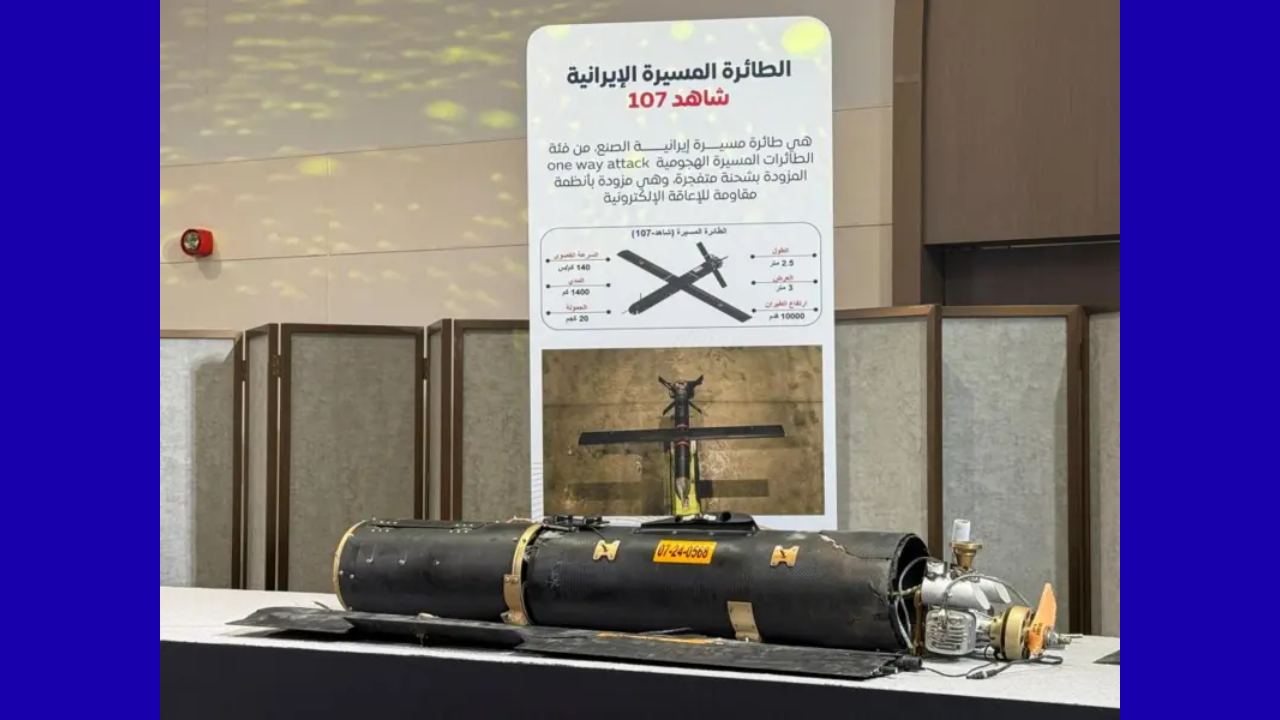
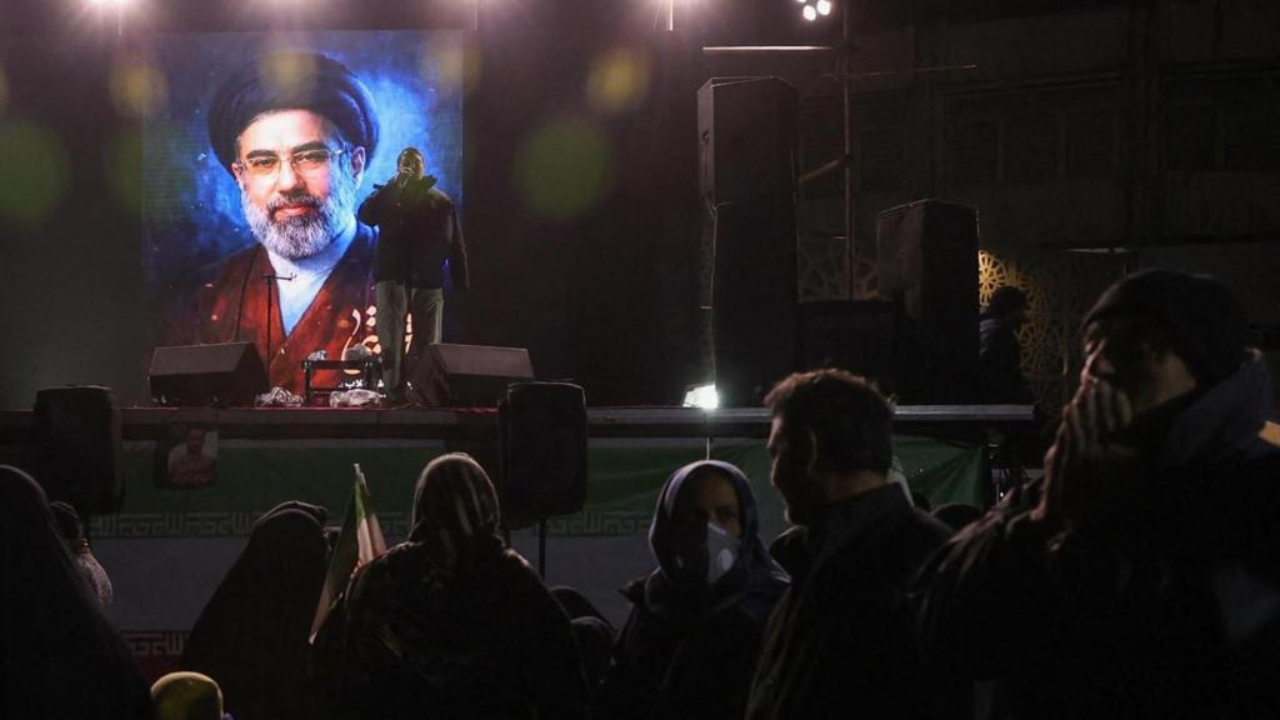
The conflict between the U.S., Israel, and Iran is proving to be a double-edged sword for Western interests. Beyond distracting global diplomatic and military attention away from the war in Ukraine, the resulting spike in energy costs is inadvertently strengthening Ukraine’s primary adversary.
The Bottom Line: By tightening global supply, the Middle Eastern crisis has effectively undermined the efficacy of the $44 price cap, granting Russia the financial breathing room it needs to sustain its military operations.