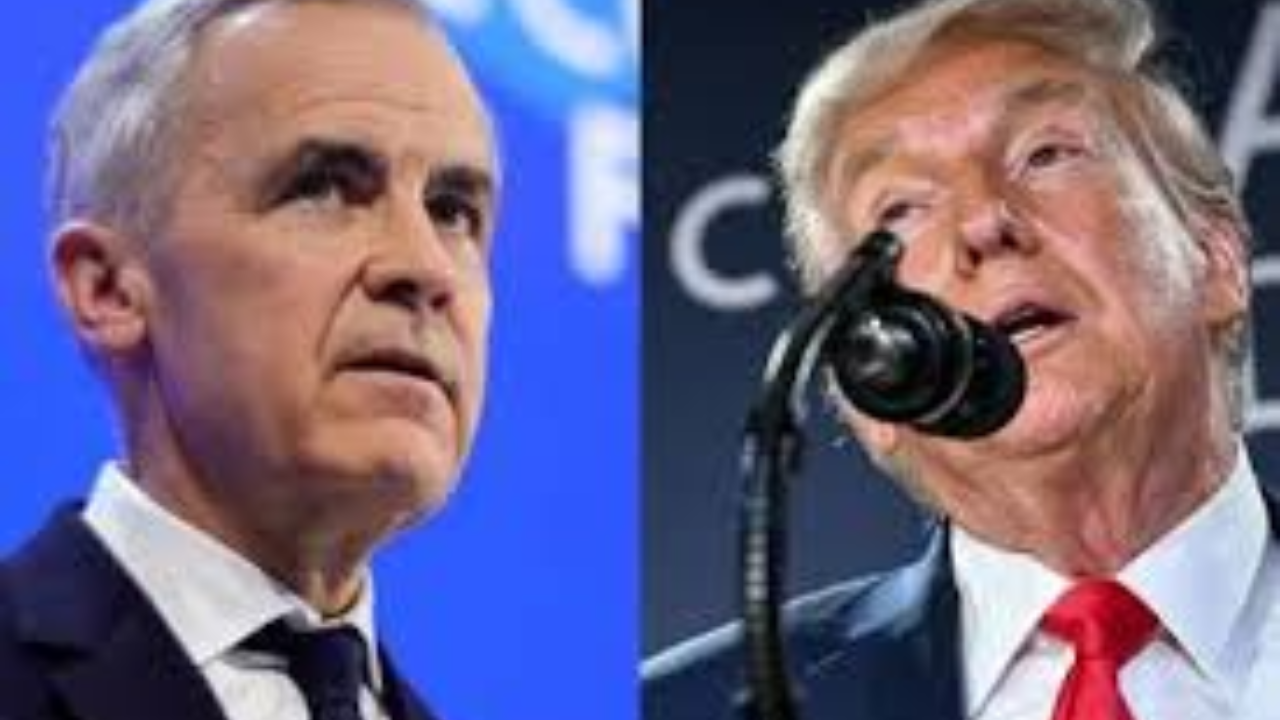
DAVOS, SWITZERLAND — In a move that signals a widening rift in North American diplomacy, President Donald Trump has officially revoked Canada’s invitation to join the Board of Peace. The decision was announced on January 22, 2026, following a series of high-tension exchanges at the World Economic Forum.
Thank you for reading this post, don't forget to subscribe!The exclusion of America’s northern neighbor marks a sharp pivot in the President’s approach to the newly formed international body, which is tasked with overseeing global conflict mediation and the reconstruction of Gaza.
The Catalyst for the Split
The breakdown in relations appears to be fueled by three primary factors:
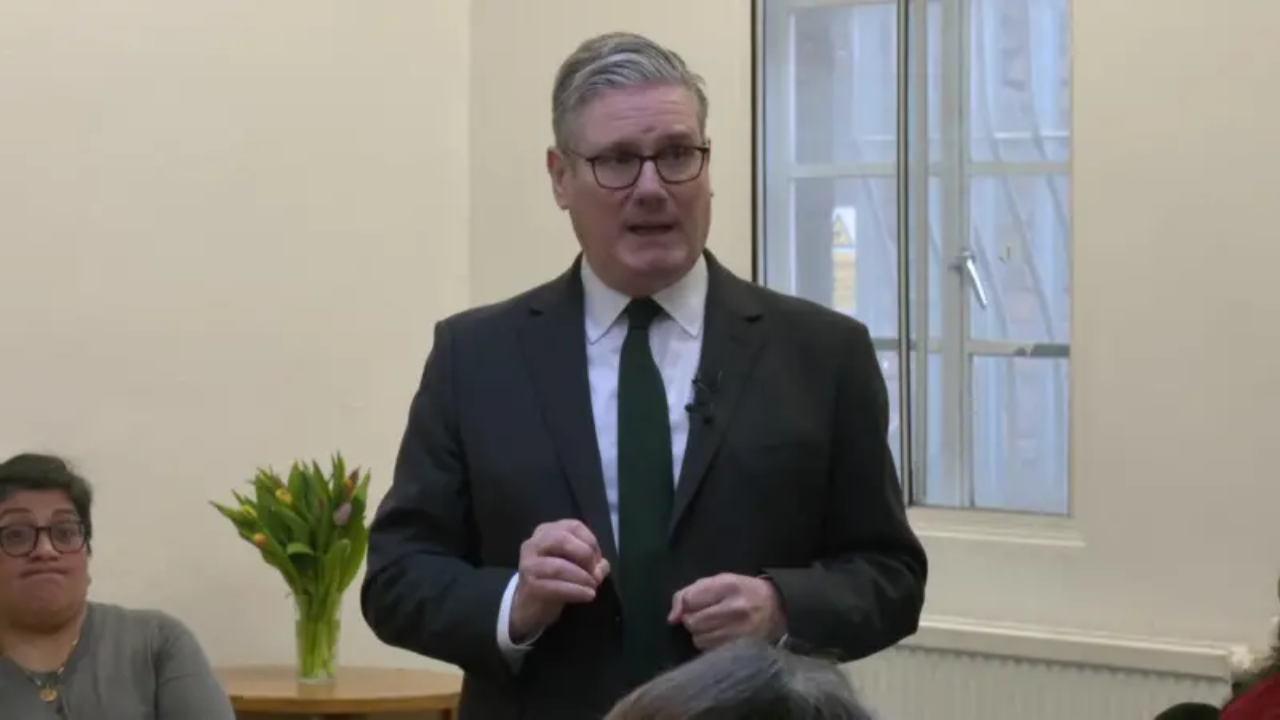
- The Davos Dispute: Prime Minister Mark Carney’s recent speech, which criticized the use of “economic coercion” by superpower nations, was seen by the White House as a direct attack on U.S. policy.
- Funding Disagreements: A central pillar of the Board is a $1 billion “buy-in” for permanent members. Canadian officials signaled they were unwilling to commit these funds, leading Trump to label the administration “unreliable partners.”
- Geopolitical Alignment: Washington remains frustrated by Canada’s recent attempts to diversify its trade away from the U.S., specifically its emerging economic agreements with China.
Strategic Overview of the Board
The Board of Peace, established under UN Security Council Resolution 2803, is intended to act as a streamlined alternative to traditional international bodies.
| Organization Profile | Key Data |
| Leadership | Donald Trump (Chairman) |
| Primary Mandate | Post-war Gaza reconstruction & Regional security |
| Current Members | 19 Nations (incl. Turkey, Saudi Arabia, Hungary) |
| Financial Entry | $1 billion USD (Permanent Status) |
Canada’s Response
Prime Minister Carney has maintained a firm stance, rejecting the notion that Canada’s stability is dependent on U.S. approval. “Canada thrives on its own terms,” Carney stated, suggesting that the country will instead focus on strengthening ties with “middle-power” nations like Japan and Australia.