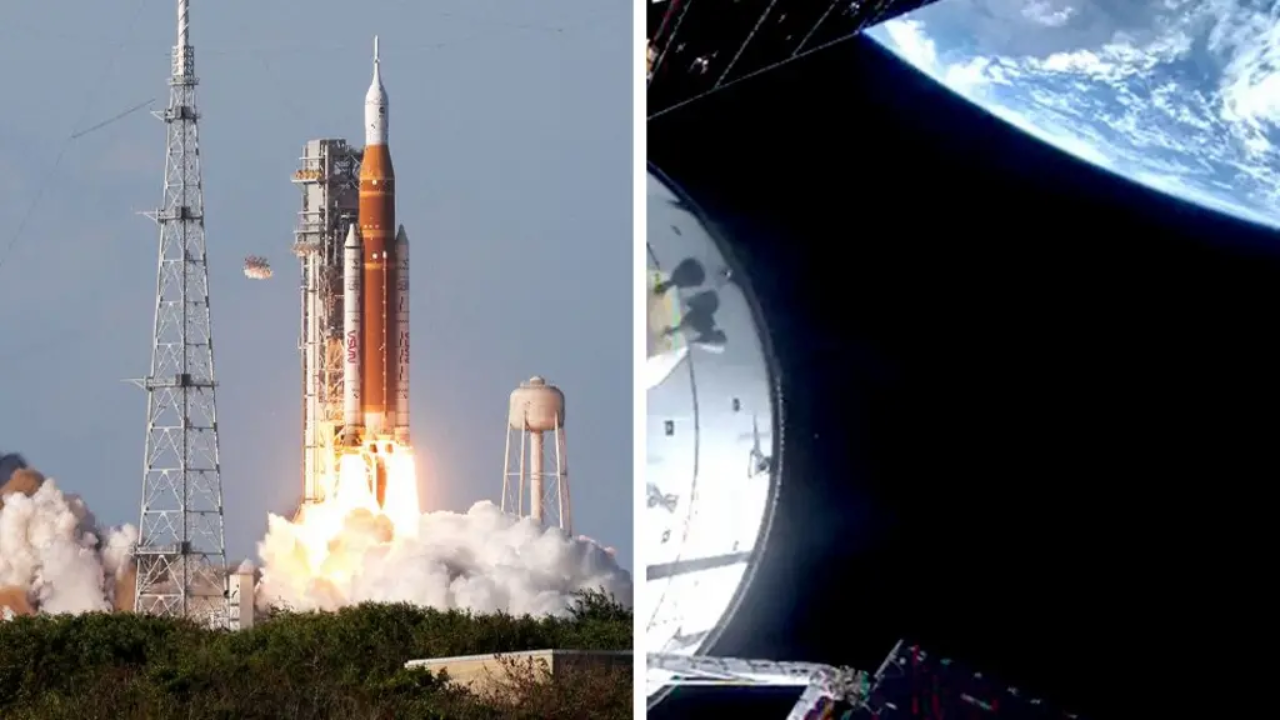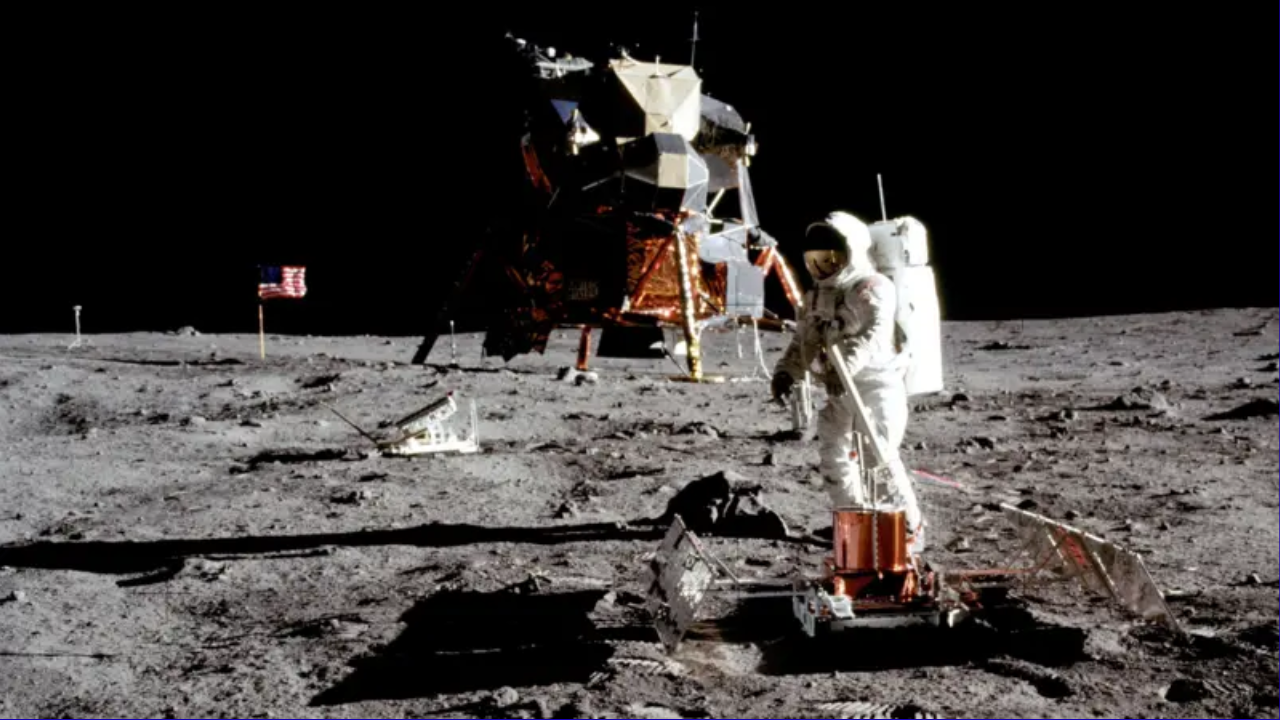
NASA’s Artemis II mission represents a pivotal moment in modern space exploration. While the mission involves orbiting the Moon rather than landing on its surface, this “circling” phase is a calculated and essential step in the broader goal of returning humans to the lunar frontier.
Thank you for reading this post, don't forget to subscribe!Here is a breakdown of why this orbital mission is a critical milestone:
1. The Ultimate Systems Stress Test
While the International Space Station (ISS) provides a steady environment for research, it sits in Low Earth Orbit, shielded by Earth’s magnetic field. Moving 240,000 miles away to the Moon exposes the Orion spacecraft to much harsher conditions.
- Life Support: This mission is the first real-world test of Orion’s ability to provide oxygen, water, and temperature control for a crew of four in deep space.
- Radiation Defense: Scientists need to measure how well the ship protects the human body from high-energy cosmic rays outside Earth’s protective “bubble.”
2. Mastering Deep-Space Navigation
Before astronauts can dock with a lunar lander or the future “Gateway” space station, they must prove they can handle the ship with precision.
- Manual Maneuvering: The crew will practice “proximity operations,” manually flying the capsule near the rocket’s upper stage.
- Communications: Maintaining a constant link with Mission Control over such a vast distance requires testing new high-bandwidth laser communication systems.
3. The “Safety First” Trajectory
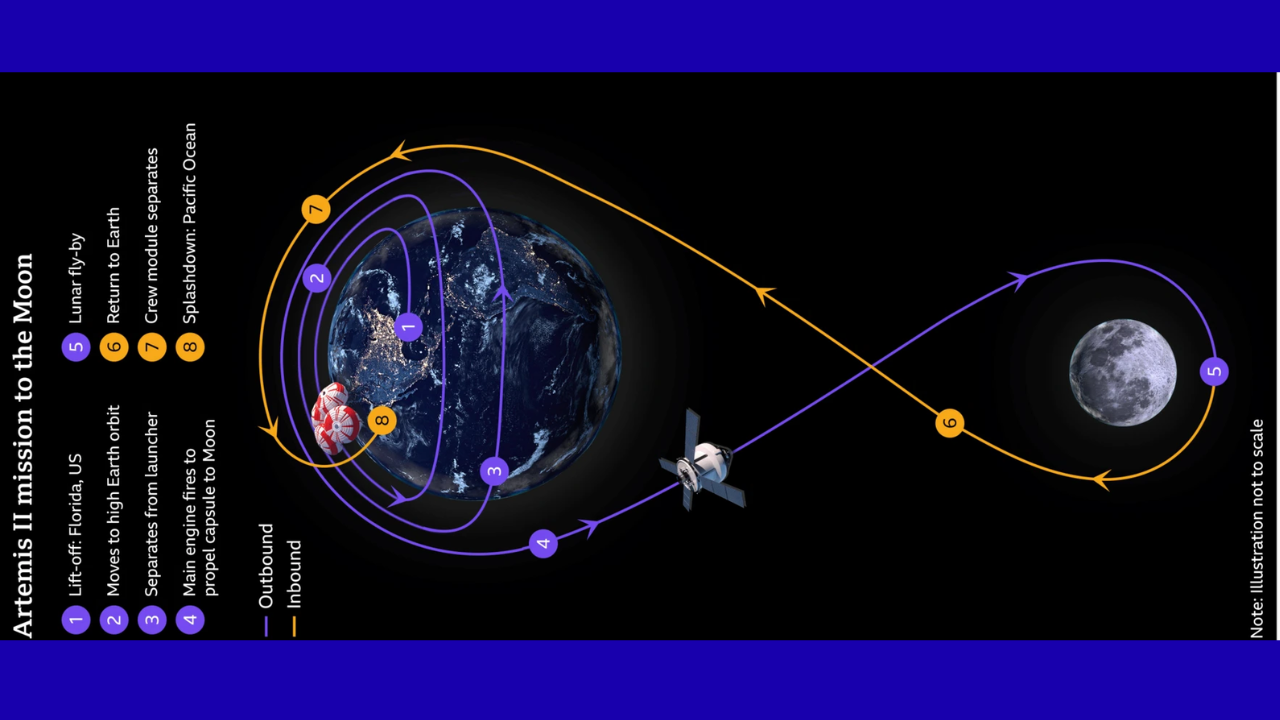
NASA utilizes a “free-return” trajectory for this mission—a path shaped like a giant figure eight.
4. Scouting the Lunar South Pole
The Moon’s South Pole is the “New Frontier” because it contains water ice in permanently shadowed craters. While orbiting, the astronauts will:
- Perform high-resolution visual reconnaissance.
- Identify geological landmarks to help refine landing zones for the Artemis III and IV missions.
The Big Picture: Why not land yet?
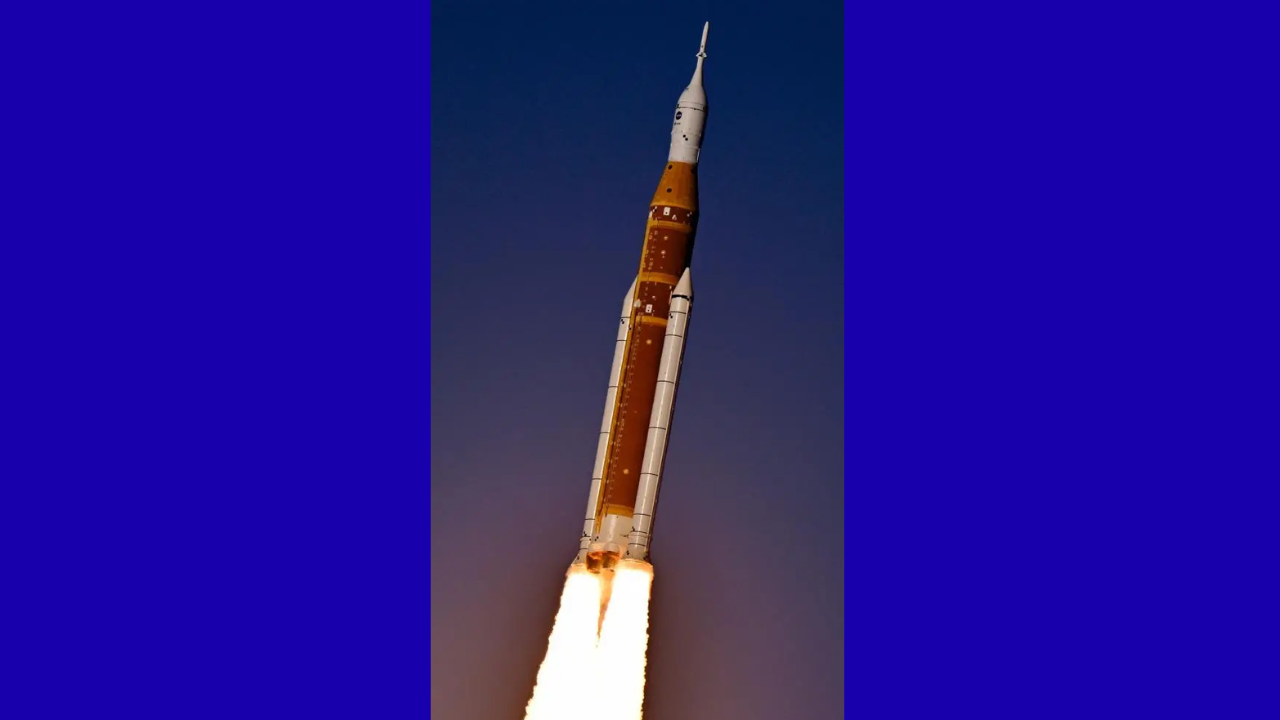
Landing on the Moon requires a separate, complex vehicle called a Lunar Lander. By focusing on the “circle” first, NASA can ensure the primary transport ship (Orion) and the massive rocket (SLS) are flawless.