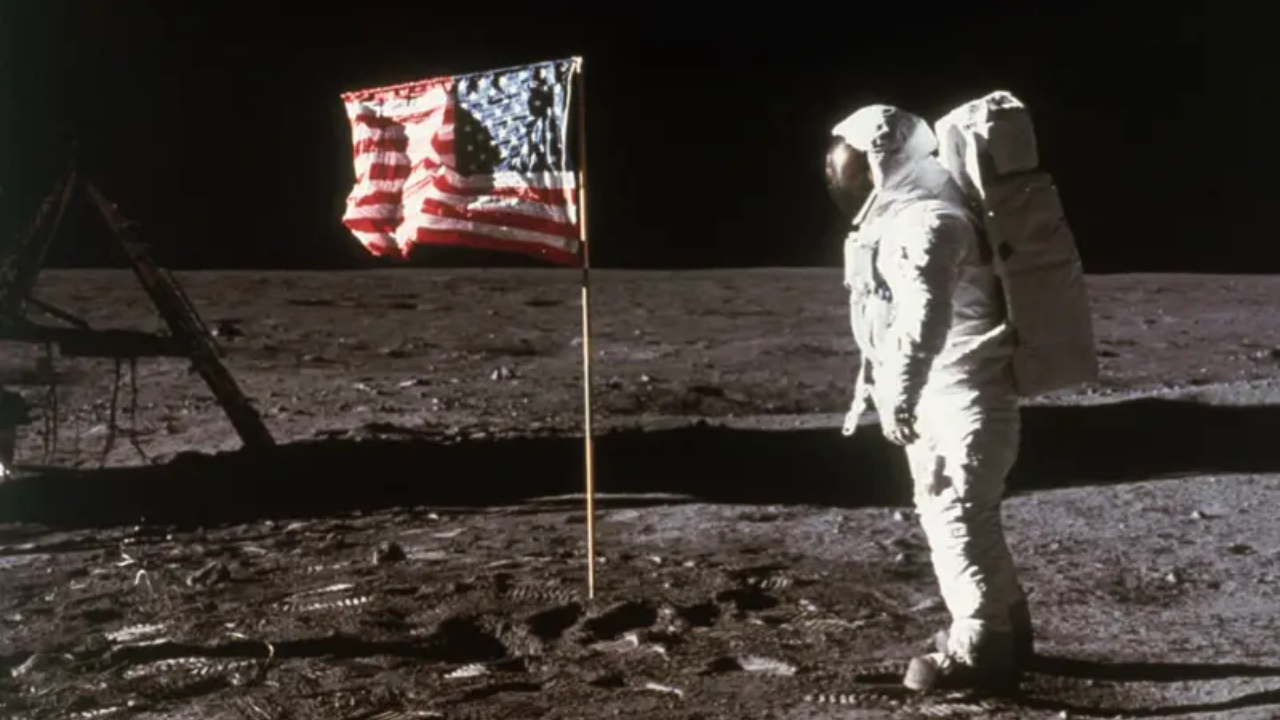
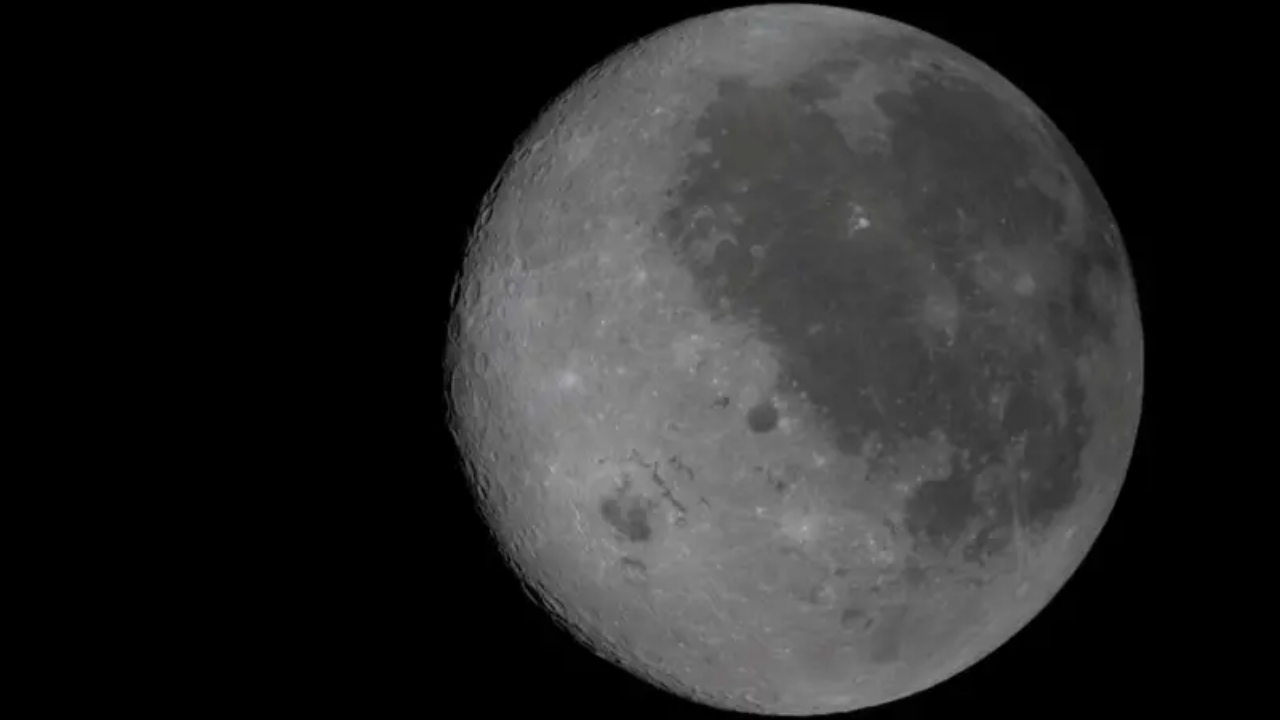
Following the historic lunar landings, the Apollo program was shuttered in 1972. As costs rose and national priorities shifted, NASA’s focus moved toward more cost-effective ventures in low-Earth orbit (LEO).
Thank you for reading this post, don't forget to subscribe!
For the past five decades, NASA’s primary mission has centered on LEO, beginning with the Skylab space station, moving through the Space Shuttle era, and culminating in the continuous operation of the International Space Station (ISS).
Previous Attempts and Setbacks
In 2005, the Constellation program was launched with the goal of returning humans to the lunar surface. However, it was cancelled in 2010 due to significant budget overruns and schedule delays.
Despite the cancellation, the research and development from Constellation were not lost. Key components—specifically the Orion spacecraft and core rocket technologies—were integrated into the Artemis program, which officially launched in 2017.
The Current Path Forward
While a lunar landing was originally targeted for 2024, technical challenges and delays during the testing of Artemis I and II have pushed the timeline back. NASA now estimates that the Artemis crewed lunar landing will occur by 2028.
Key Takeaways:
- 1972: Apollo program ends; focus shifts to low-Earth orbit.
- 2005-2010: The Constellation program attempts a return but is cancelled.
- 2017: Artemis program begins, utilizing repurposed Constellation technology.
- 2028: New projected date for the next human footprint on the Moon.