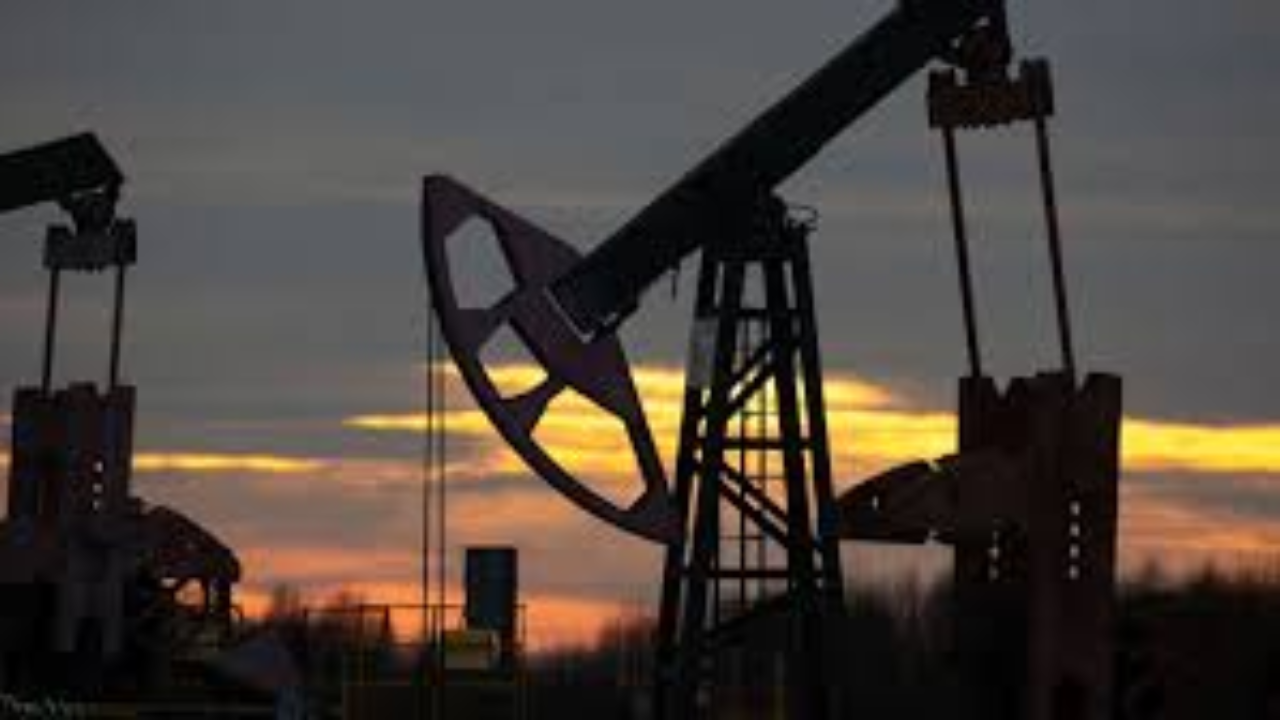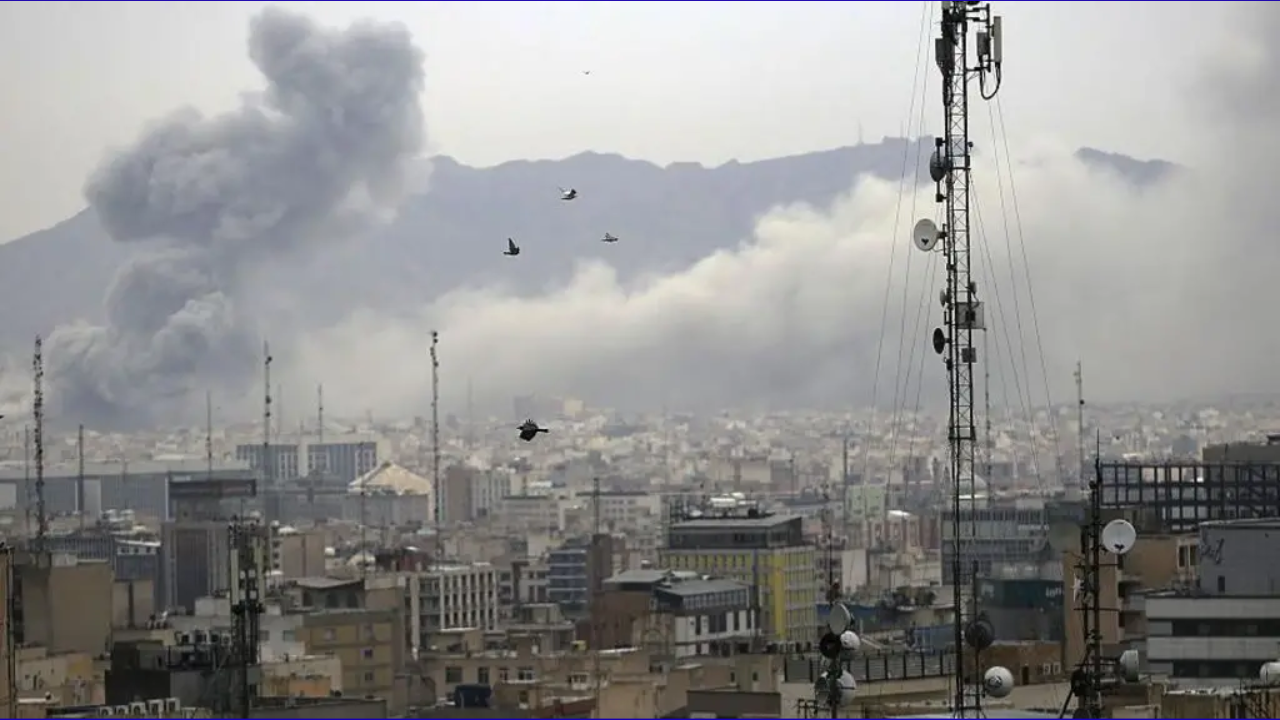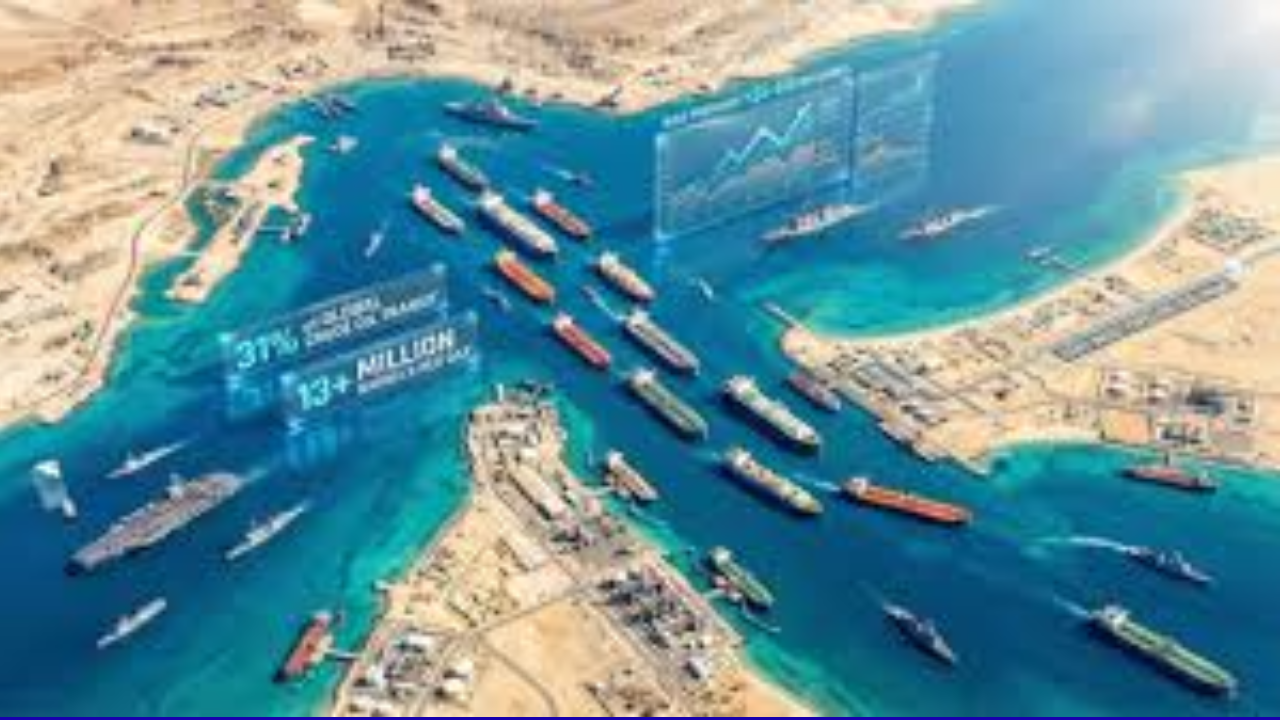
In a pragmatic—though controversial—response to the escalating war with Iran, the U.S. Treasury has issued a temporary 30-day waiver on Russian oil sanctions. The move is a direct attempt to put a ceiling on skyrocketing energy costs as the Strait of Hormuz remains effectively blocked.
Thank you for reading this post, don't forget to subscribe!The Strategy: “Damage Control”
The U.S. is prioritizing domestic and global economic stability over the continued isolation of the Kremlin. Key details include:
- The Scope: The waiver (General License 134) only applies to Russian crude already at sea or loaded before March 12, 2026.
- The Goal: To prevent “oil shock” inflation as Brent Crude surges past $100 per barrel.
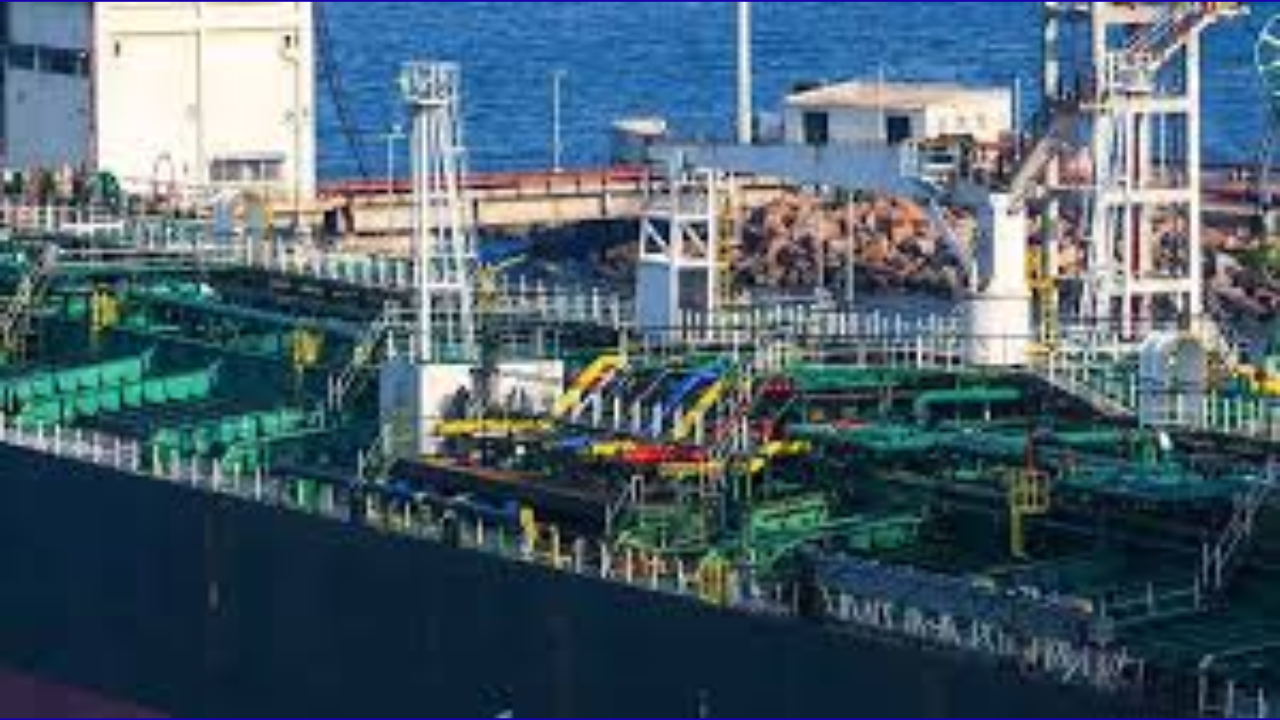
- The India Factor: This license officially clears the way for India to process millions of barrels of Russian oil that were previously stuck in legal limbo.
The Conflict Context
| Trigger Event | Economic Result | U.S. Response |
| Iran-Israel-U.S. War | 20% of global supply trapped in Hormuz. | Temporary easing of Russia sanctions. |
| Supply Shortfall | ~20 million barrels per day deficit. | Record release of 400M barrels from IEA reserves. |
| Price Surge | U.S. gas prices up 18% in three weeks. | Short-term waiver through April 11, 2026. |
Geopolitical Blowback
While the U.S. views this as a “necessary evil,” the move has created a rift among allies:
- Ukraine’s Disapproval: President Zelenskyy has labeled the easing of sanctions a strategic mistake that provides Moscow with a financial lifeline.
- The “British Refusal”: The UK has flatly refused to follow suit, choosing to maintain its total ban on Russian energy imports despite the price spike.
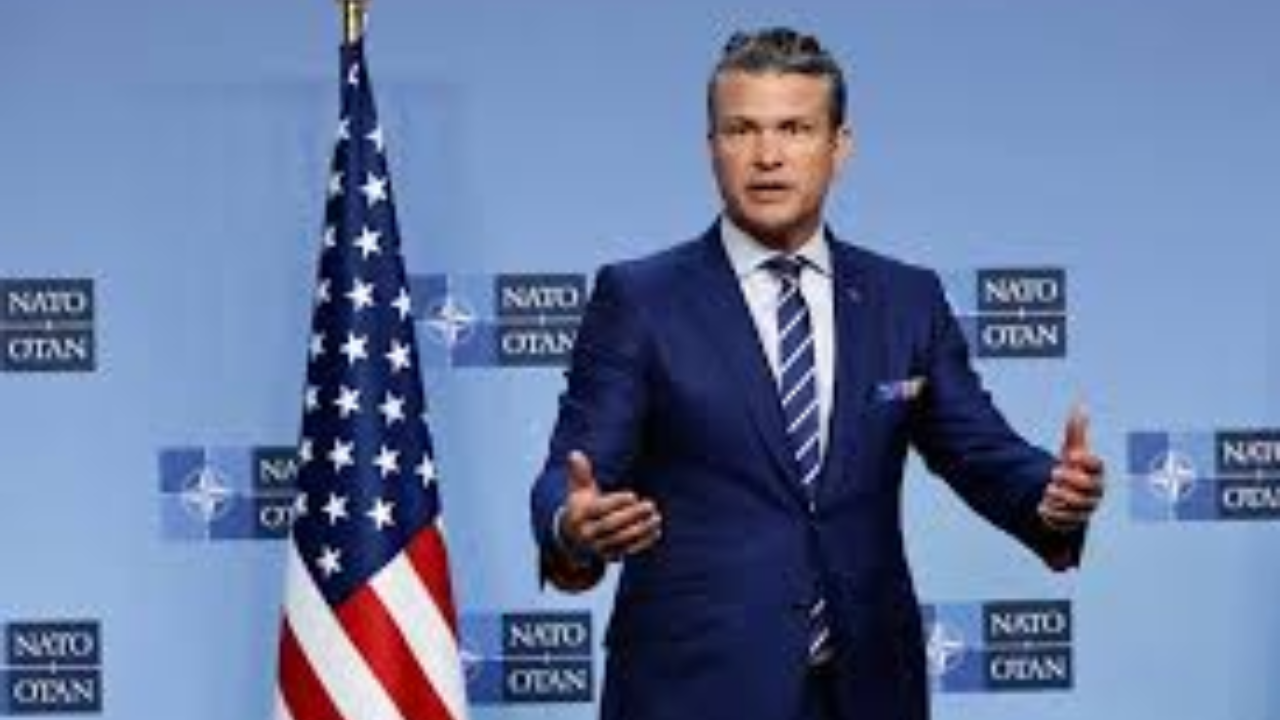
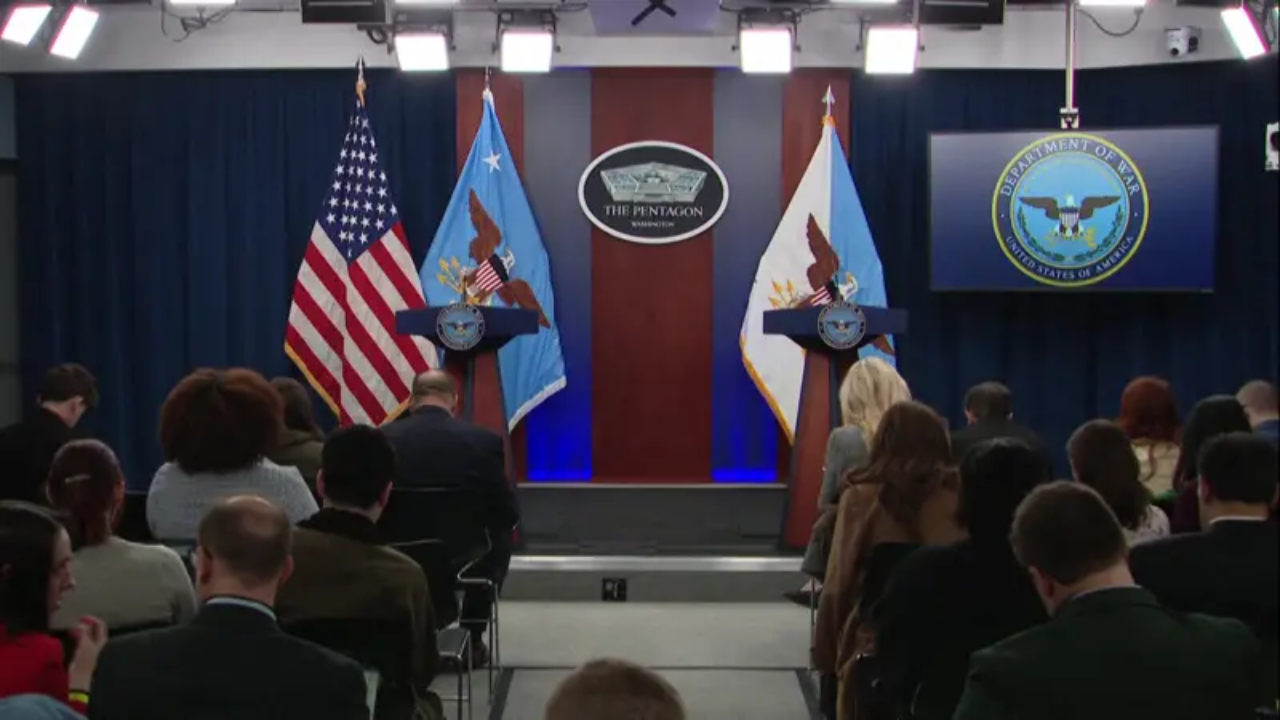
- The “Bessent” Stance: Treasury Secretary Scott Bessent insists this is a narrow, time-bound measure, not a permanent policy shift.
Bottom Line: The Biden administration is betting that a temporary reprieve for Russian oil is a lower political price to pay than a full-scale global energy collapse.