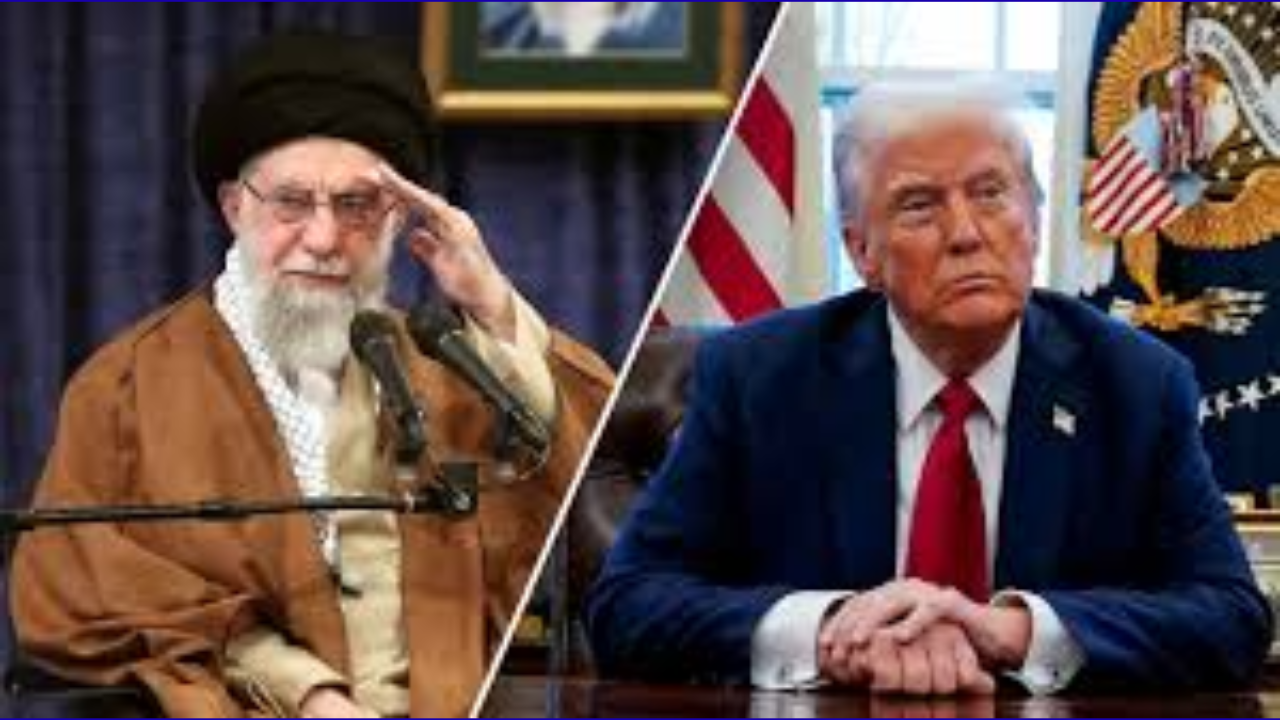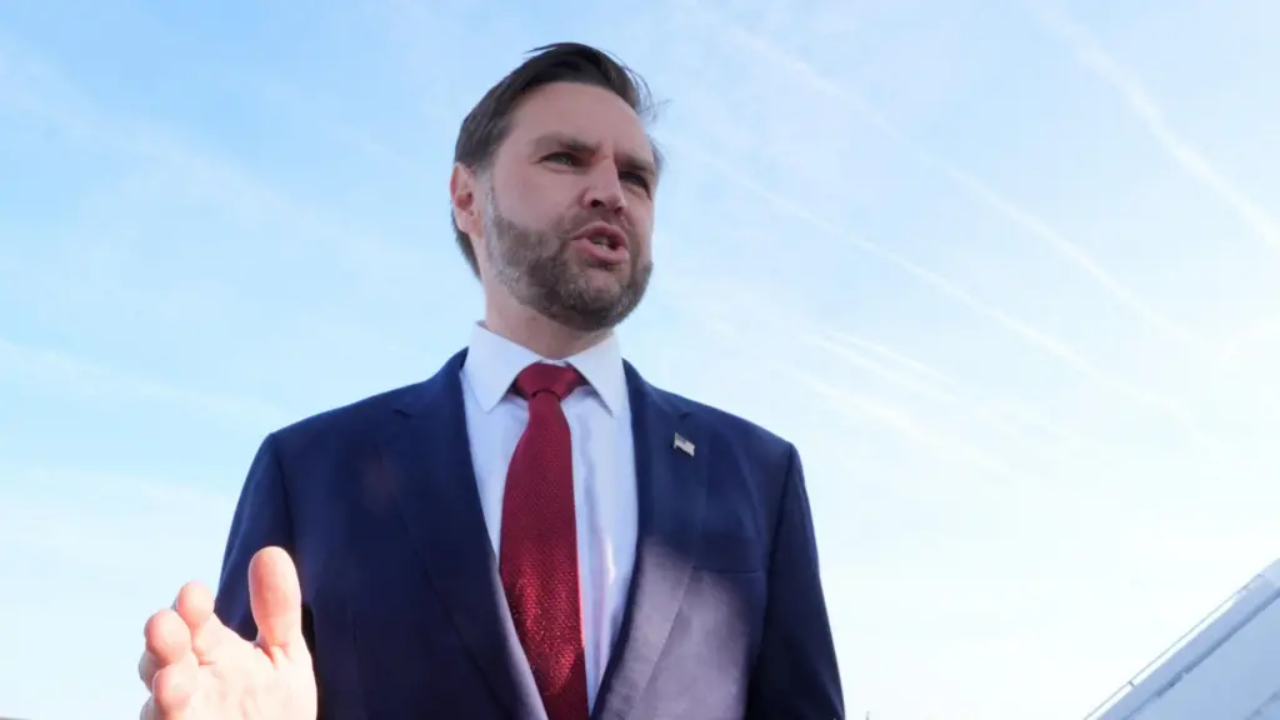
Vice President JD Vance departed for Pakistan on Friday to lead a high-stakes diplomatic effort aimed at ending the ongoing conflict with Iran. Before boarding Air Force Two, the Vice President signaled a firm stance, balancing the possibility of peace with a sharp warning against diplomatic manipulation.
Thank you for reading this post, don't forget to subscribe!The “Carrot and Stick” Approach
- The Warning: He cautioned Tehran against “trying to play” the U.S. or utilizing stalling tactics, noting that an insincere approach would meet a “not that receptive” American team.
- The Incentive: Conversely, Vance offered an “open hand” should Iran demonstrate a genuine commitment to negotiating in good faith.
Summit Logistics & Strategy
| Role | Details |
| U.S. Leads | VP JD Vance, Jared Kushner, and Steve Witkoff |
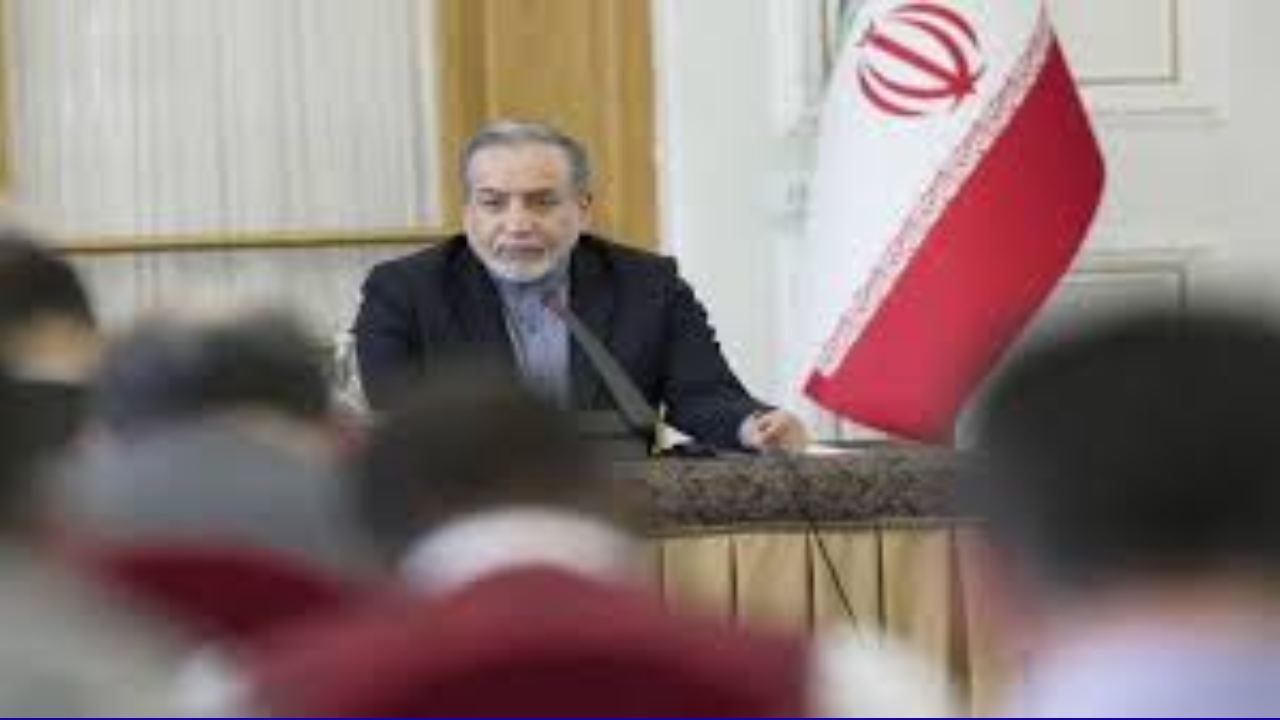
| Iran Leads | FM Abbas Araghchi and Speaker Mohammad Bagher Ghalibaf |
| Method | Proximity Talks: Mediators will shuttle between separate rooms; no direct face-to-face meetings are planned. |
The Primary Obstacles
While the ceasefire remains in effect, the delegation faces three massive hurdles:
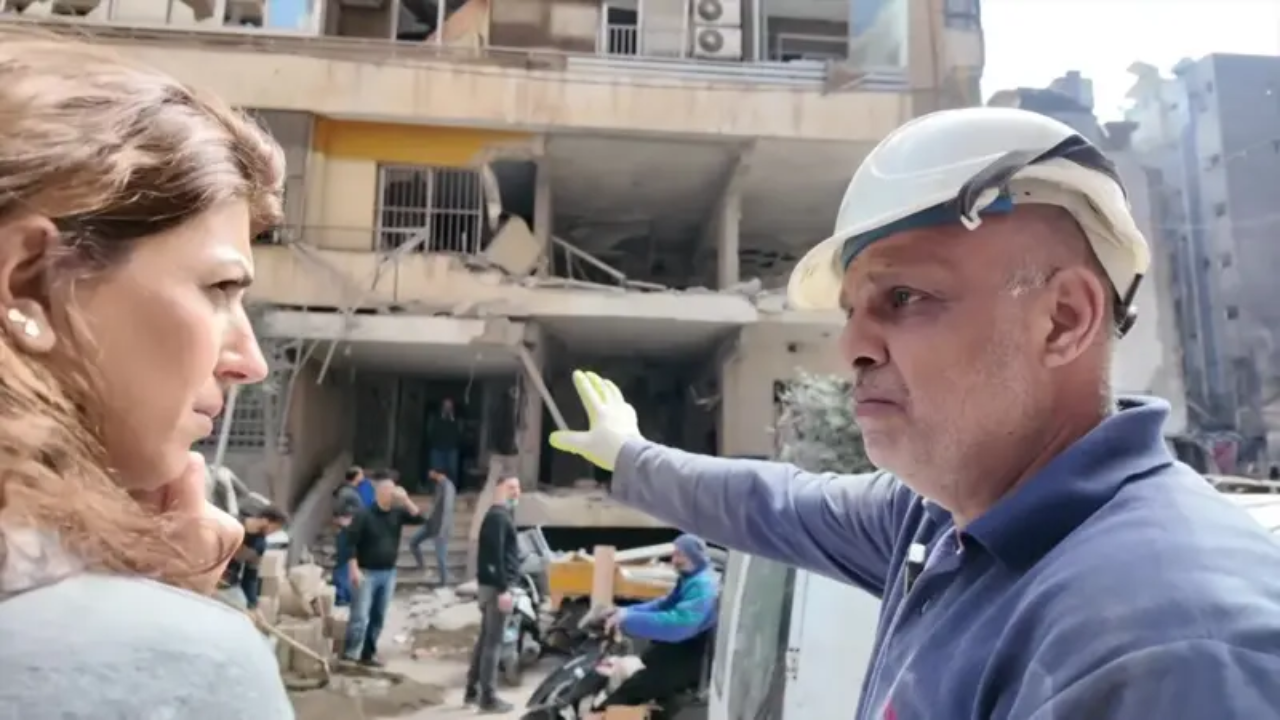
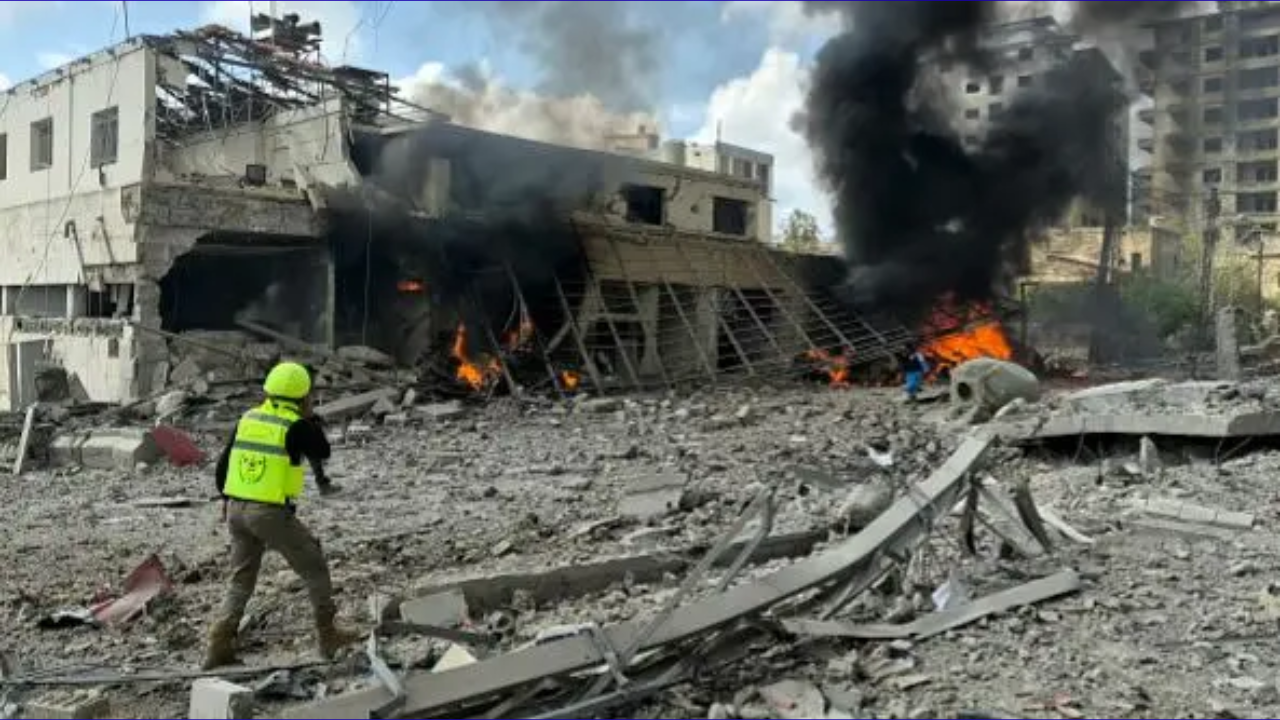
- Scope of Conflict: Iran views the ceasefire as inclusive of Hezbollah and Lebanon, a definition the U.S. and Israel have explicitly rejected.
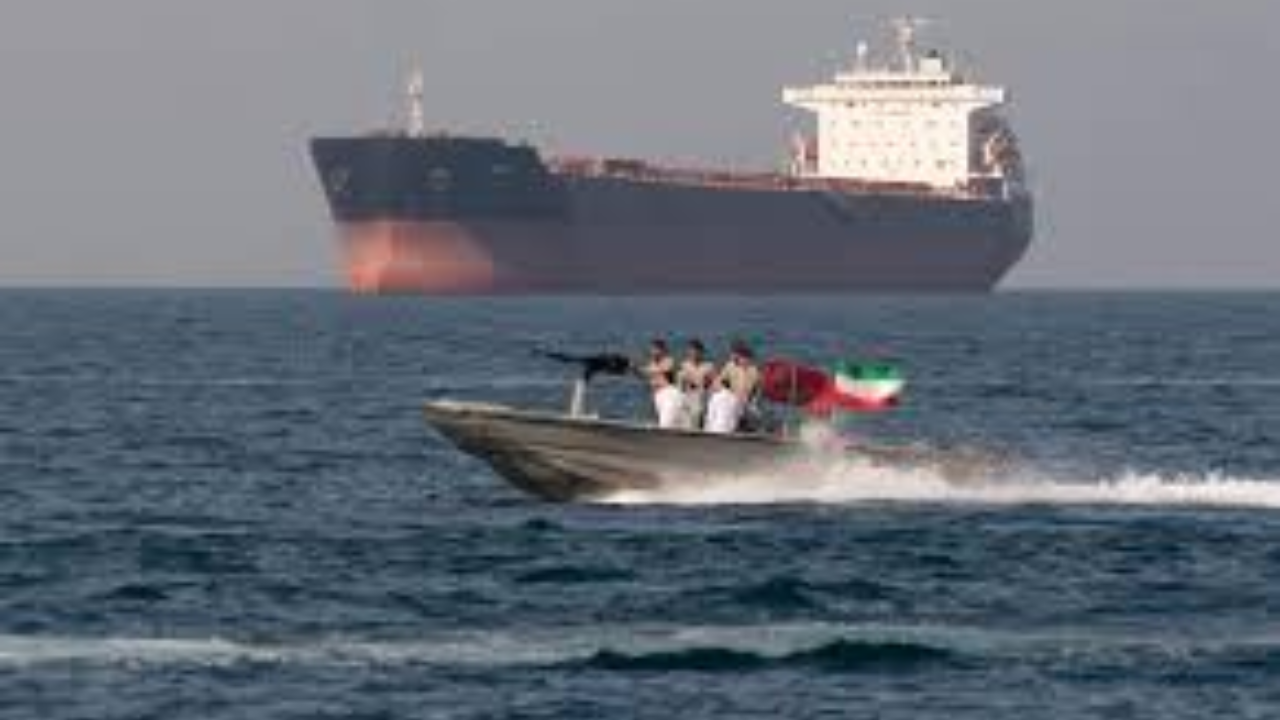
- Maritime Security: A top U.S. priority is the immediate and full reopening of the Strait of Hormuz to restore global shipping traffic.
- Disarmament: The U.S. continues to demand the surrender of enriched uranium and the dismantling of Iran’s long-range missile capabilities.