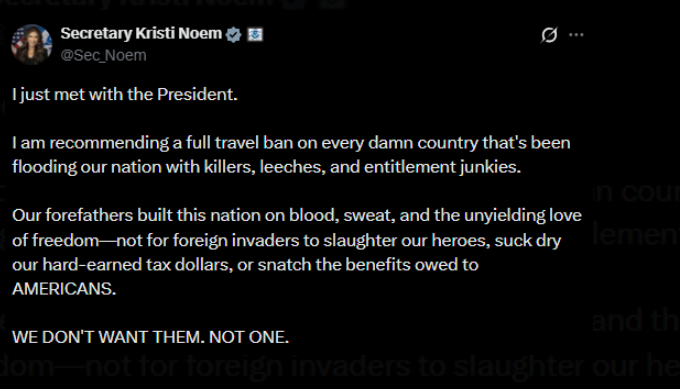
WASHINGTON, D.C.—Following a deadly attack on National Guard members in the nation’s capital, US Homeland Security Secretary Kristi Noem has recommended a complete travel ban on what she termed “countries that are sending killers, leeches, and entitlement junkies to the United States.”
Thank you for reading this post, don't forget to subscribe!The proposal is one of the most severe immigration measures put forth by the administration as it intensifies its crackdown on immigration and asylum policies.
Key Events and Policy Responses
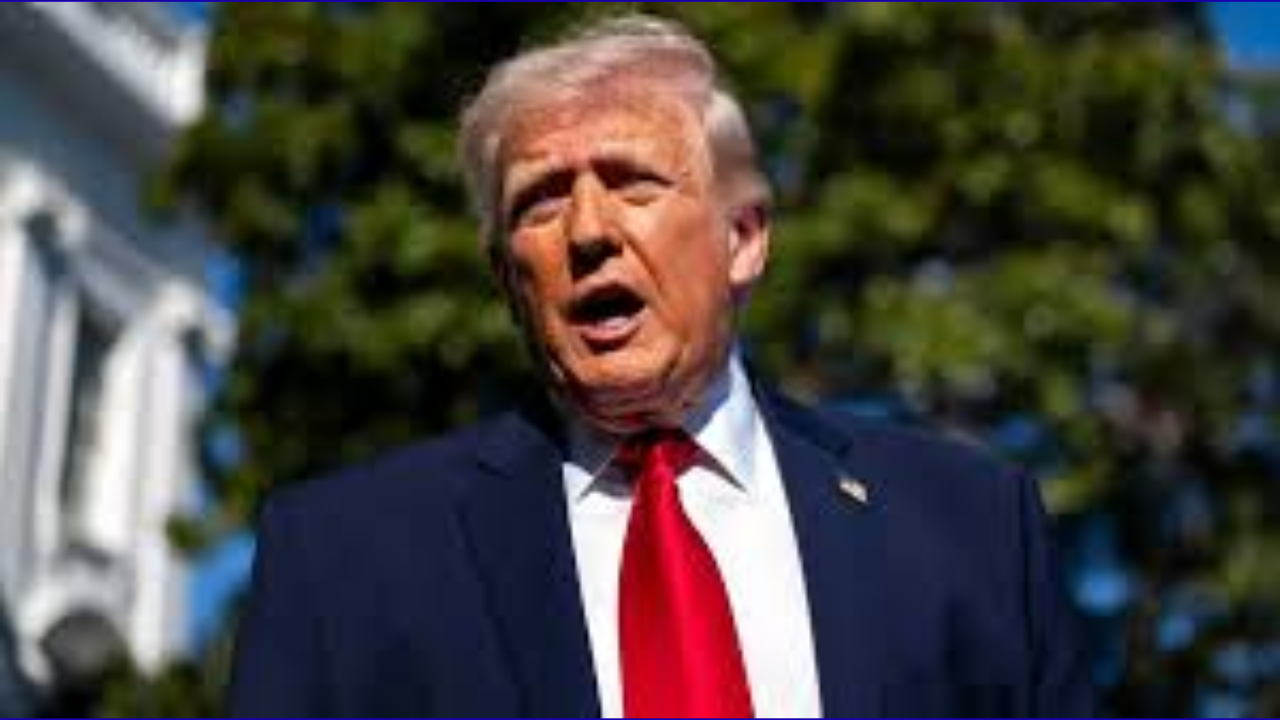
The call for the full ban was made after a meeting with President Donald Trump. Secretary Noem articulated her stance on social media, stating that the nation was not built for “foreign invaders to slaughter our heroes, suck dry our hard-earned tax dollars, or snatch the benefits owed to AMERICANS.”
Simultaneously, the administration has taken immediate, specific actions:
- Afghan Visas Paused: The US State Department has halted the issuance of visas for all Afghan passport holders.
- Asylum Decisions Halted: US immigration officials have stopped all asylum decisions and initiated a review of green cards granted to individuals from 19 countries of concern.
- Long-Term Asylum Shutdown: President Trump indicated he is considering a long-term shutdown of asylum admissions, stating it “could be a long time.”
Details of the DC Incident
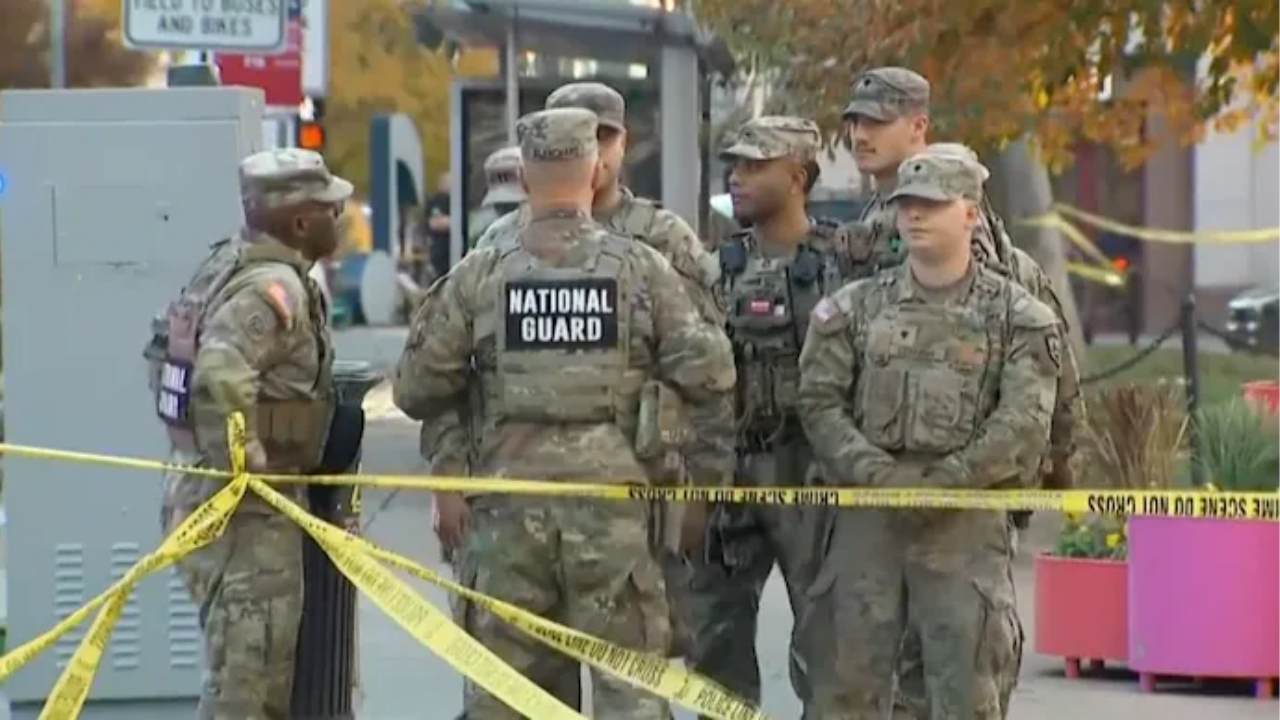
The intensified focus on immigration follows last week’s shooting of two National Guard members near the White House.
| Suspect Profile | Details |
| Name | Rahmanullah Lakanwal (29) |
| Nationality | Afghan national |
| Status | Killed one service member and critically wounded another. |
| Arrival | Arrived in 2021 under Operation Allies Welcome. |
| Asylum | Granted asylum in April (prior to the current administration). |
| Background | Previously worked with the CIA during the US war in Afghanistan. |
Secretary Noem stated that investigators believe Lakanwal was radicalized after arriving in the United States, rather than prior to entry.
She attributed any lapse in screening to officials from the previous administration, arguing they allowed Lakanwal into the country without adequate vetting, despite the information used in his asylum process coming from the prior administration. She maintained that vetting procedures have since been tightened.