Health officials have confirmed that the bacterial strain responsible for the tragic meningitis outbreak in Kent is Meningitis B (MenB). The update follows the deaths of two students and comes as the UK Health Security Agency (UKHSA) faces scrutiny over the speed of its public health alert.
Thank you for reading this post, don't forget to subscribe!The Vaccination Gap: Why Young Adults are at Risk
The identification of MenB is particularly significant because of a specific “gap” in the UK’s immunization program.
- The Issue: Most current university students received the MenACWY vaccine in school, which does not protect against the B strain.
- The Demographic: The MenB vaccine was only added to the routine infant schedule in 2015. Consequently, most teenagers and young adults in the UK have no natural or vaccine-induced immunity to this specific strain unless they paid for a private dose.
UKHSA Defends Timeline Against Expert Criticism
Despite calls from some medical experts suggesting that local GPs should have been notified earlier, the UKHSA maintains that their response was “rapid and robust.”
- The Defense: Dr. Gayatri Amirthalingam, deputy director at the UKHSA, stated that the agency acted within 24 hours of identifying a cluster. They argue that issuing premature alerts without confirmed links can cause unnecessary panic and overwhelm healthcare services.
- The Counter-Argument: Critics, including Professor Paul Hunter, suggest that even a 24-hour lead time for local doctors could have been life-saving, allowing GPs to be on high alert for “flu-like” symptoms that were actually the early stages of MenB.
Emergency Measures in Canterbury
With 13 confirmed cases of invasive meningococcal disease, health authorities have moved into a “containment and prevention” phase:
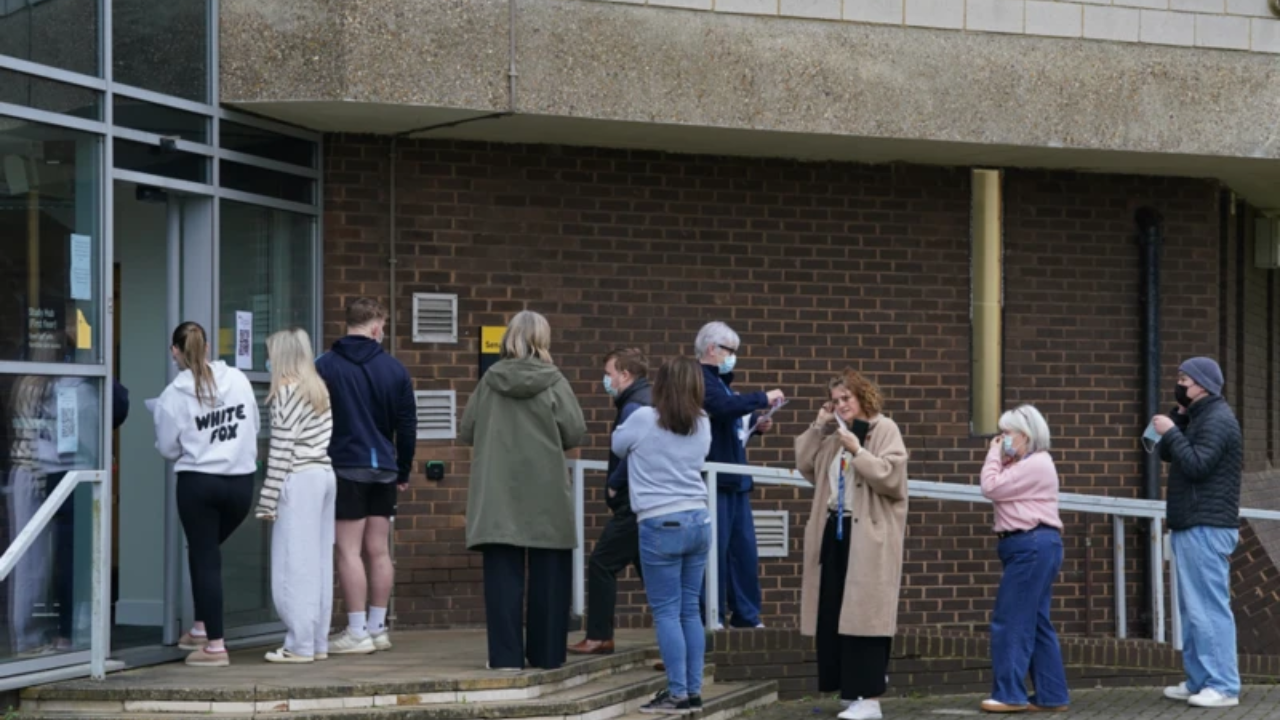
- Antibiotic Prophylaxis: Thousands of students and staff are being urged to visit emergency clinics for preventative antibiotics.
- Targeted Alerts: Anyone who attended Club Chemistry between March 5th and 7th is considered at higher risk and should seek treatment immediately.
- Campus Closure: The University of Kent has suspended in-person exams to limit the spread of the bacteria in crowded halls.
Critical Symptoms Checklist
Authorities remind the public that MenB can move from mild symptoms to a life-threatening emergency in just a few hours. Seek medical help immediately if you experience:
- A non-blanching rash (does not disappear under a glass).
- Sudden, severe sensitivity to light (photophobia).
- Extreme neck stiffness and a “splitting” headache.
- Confusion or delirium.
- Hands and feet that feel ice-cold despite a high fever.