LONDON — The British government is moving toward a fresh round of economic and diplomatic sanctions against Moscow after an international forensic investigation concluded that Alexei Navalny was poisoned with a rare, frog-derived neurotoxin.
Thank you for reading this post, don't forget to subscribe!The Forensic Discovery: Epibatidine
After a two-year inquiry, forensic experts from the UK and four European partners identified Epibatidine in Navalny’s system. This discovery has fundamentally shifted the narrative surrounding his February 2024 death:
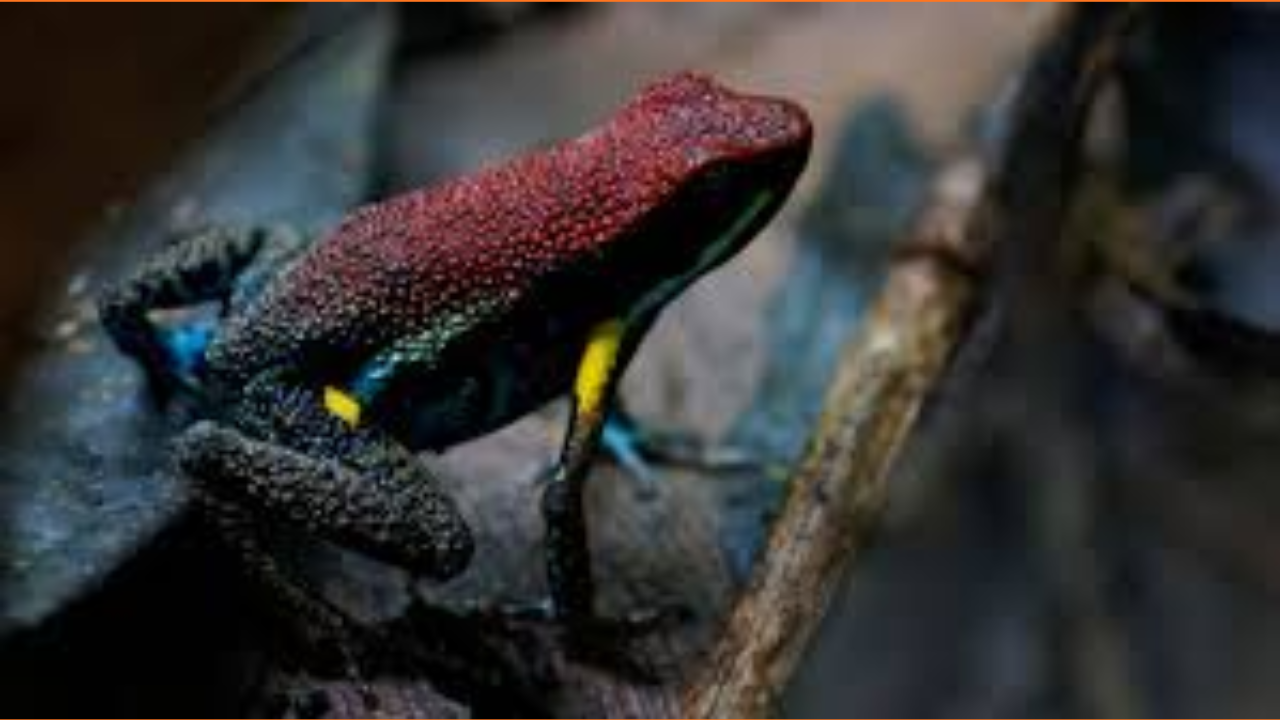
- Potency: Epibatidine is a naturally occurring alkaloid found in the skin of South American poison dart frogs. It is estimated to be roughly 200 times more powerful than morphine.
- Mechanism of Action: The toxin targets nicotinic acetylcholine receptors, leading to rapid muscle paralysis and fatal respiratory failure.
- The “Artificial” Link: Because dart frogs only produce this toxin in the wild (via their specific diet), its presence in a Russian prison suggests a laboratory-synthesized version, pointing directly to a state-sponsored chemical program.
Diplomatic Fallout and Response
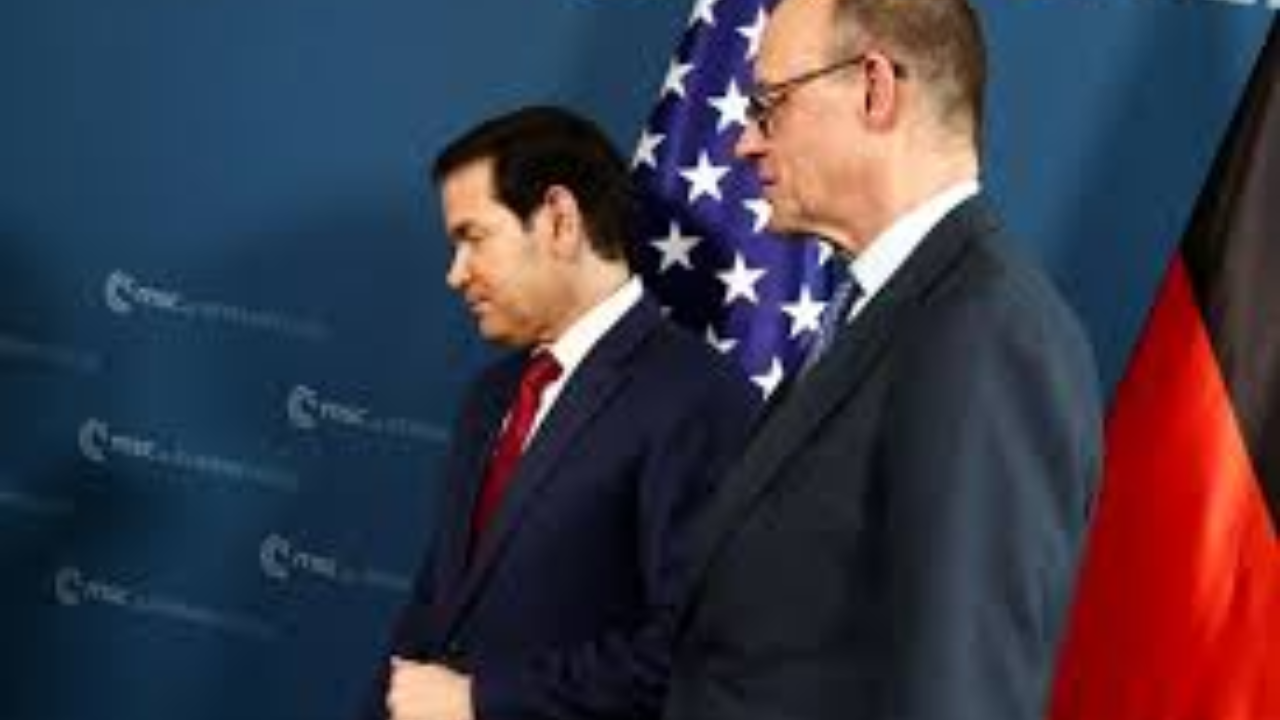
Foreign Secretary Yvette Cooper labeled the evidence “irrefutable” during the Munich Security Conference, triggering a coordinated response from the “European Five” (UK, France, Germany, Sweden, and the Netherlands).
Key Developments:
- Chemical Weapons Breach: The UK has formally referred the findings to the OPCW, alleging Russia has bypassed international treaties by weaponizing exotic biological toxins.
- Expanded Sanction Lists: New measures are expected to target the high-ranking officials within the FSB and the Kolyma penal colony administration.
- Kremlin Denial: Russian officials continue to dismiss the report as a “Western fabrication,” maintaining their stance that Navalny died of natural causes.