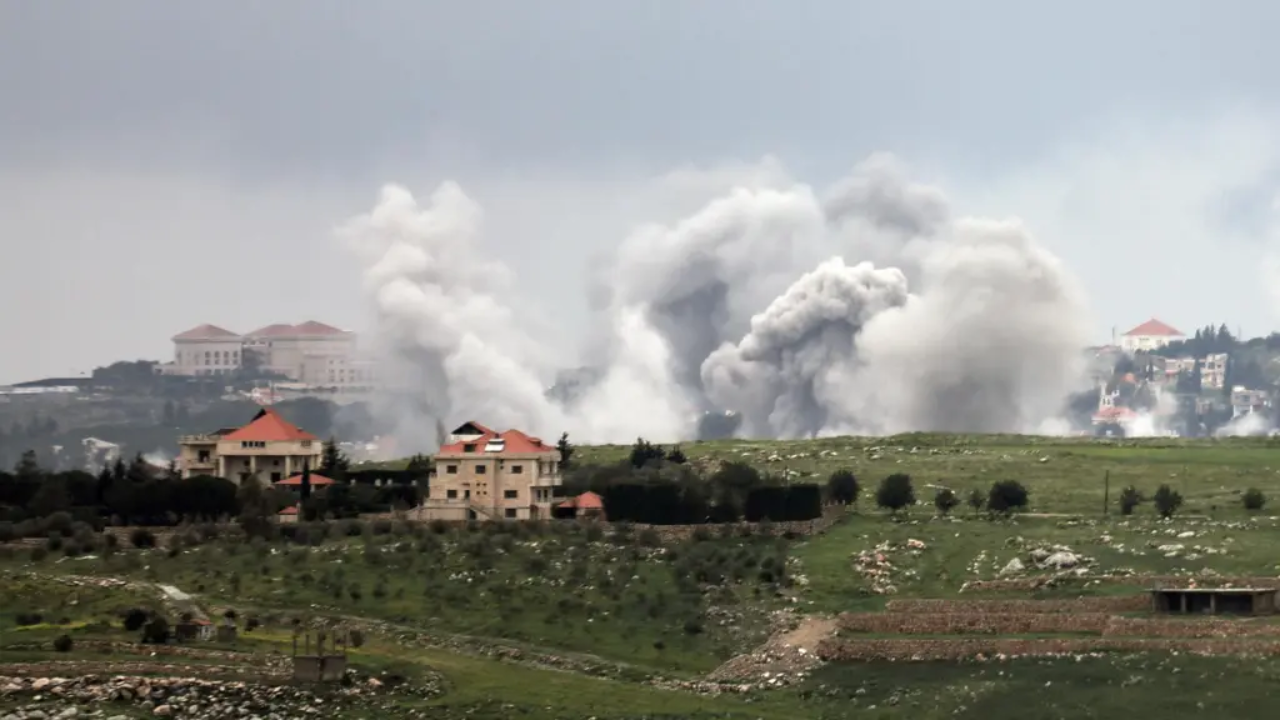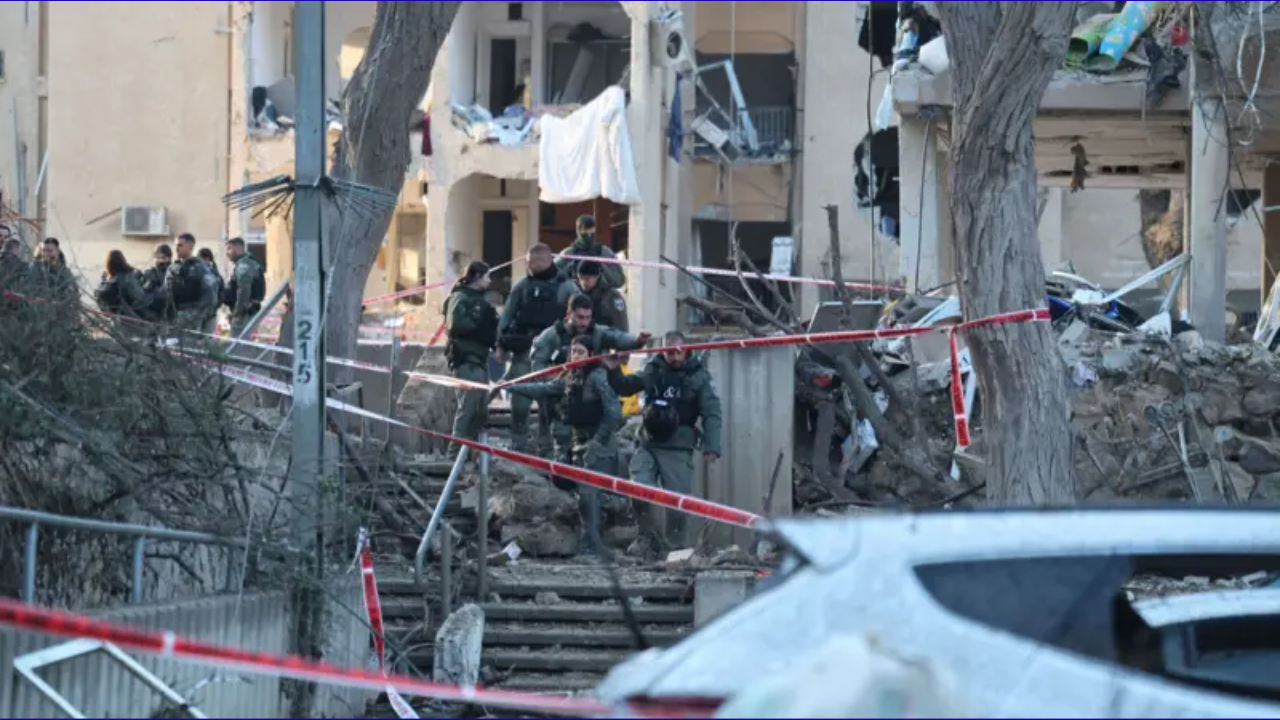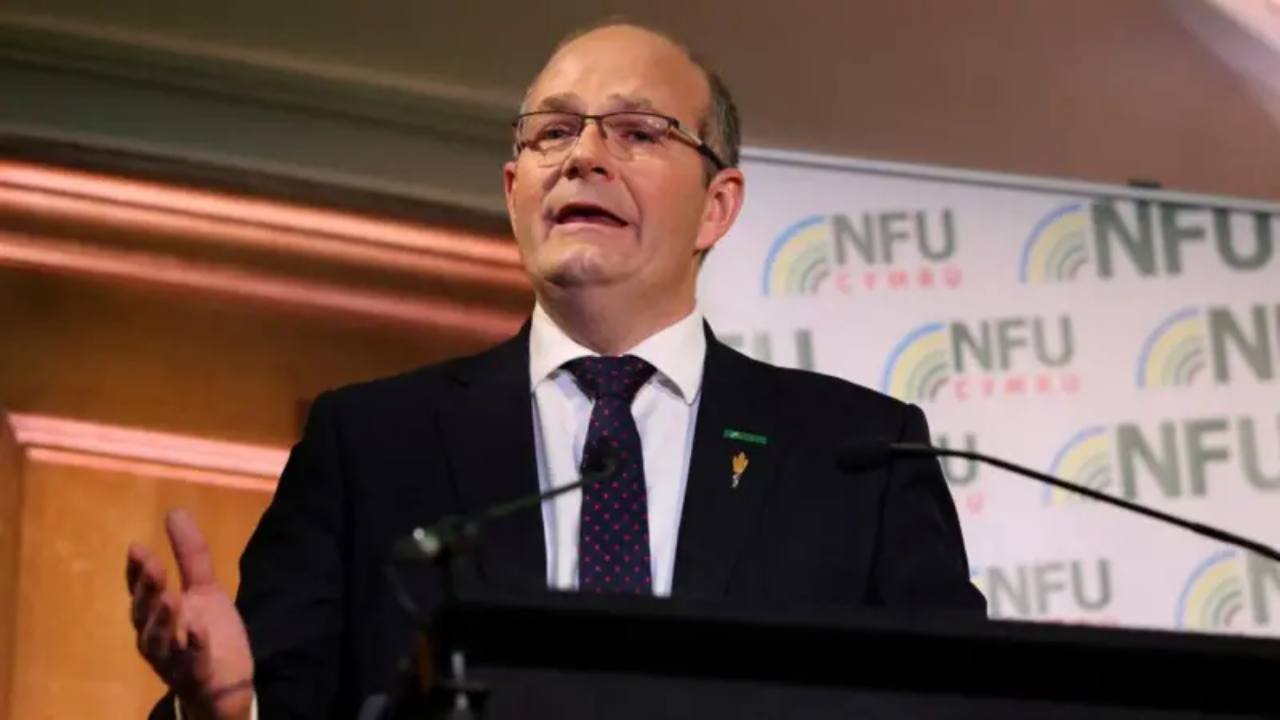
Tom Bradshaw, President of the National Farmers’ Union (NFU), has issued a stark warning regarding a “huge increase” in production costs. He cautions that the escalating conflict in the Middle East is creating a high-risk environment for food producers, which will inevitably impact the price of groceries on supermarket shelves.
Thank you for reading this post, don't forget to subscribe!The Surge in Input Costs
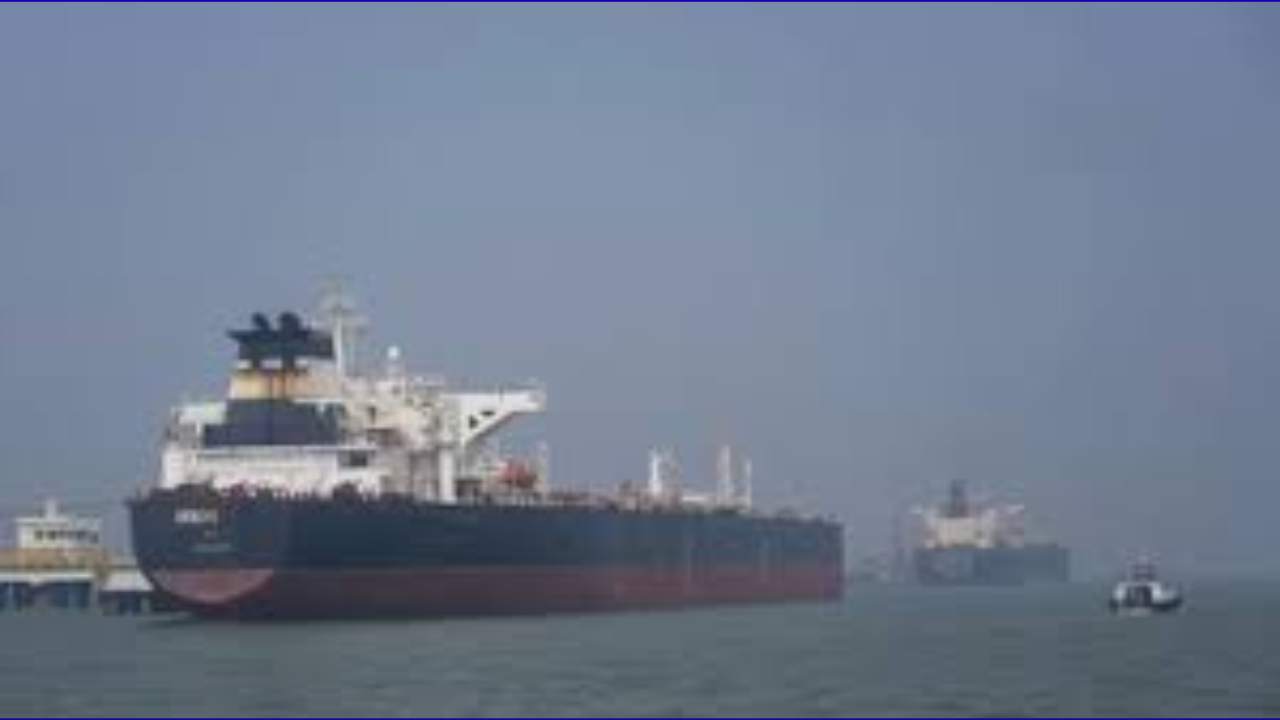
The conflict has disrupted global energy markets, leading to a sharp rise in the essential “ingredients” required to run a farm. According to the NFU, farmers are currently battling spikes in:
- Fertilizer: Prices are climbing due to the high natural gas requirements for production.
- Red Diesel: The cost of fueling tractors and machinery has jumped.
- Heating (Gas): Greenhouse growers are facing unsustainable bills to keep temperature-sensitive crops like tomatoes and peppers alive.
A Supply Chain at the Breaking Point
Bradshaw emphasized that farmers are currently “carrying all of the risk” within the supply chain. While the UK is already grappling with a cost-of-living crisis, the NFU argues that the current model is unsustainable.
“We need a resilient food supply chain for the long term, and that means farmers must be able to get fair returns for the risks that we’re taking.” — Tom Bradshaw, NFU President
What This Means for Consumers
The industry describes this as the start of a new inflationary cycle. Because agricultural production operates on long timelines, the costs being paid for fertilizer and fuel today will dictate the price of food several months from now. Without “fair returns” from retailers, there are concerns that domestic food security could be weakened if producers are forced to scale back.