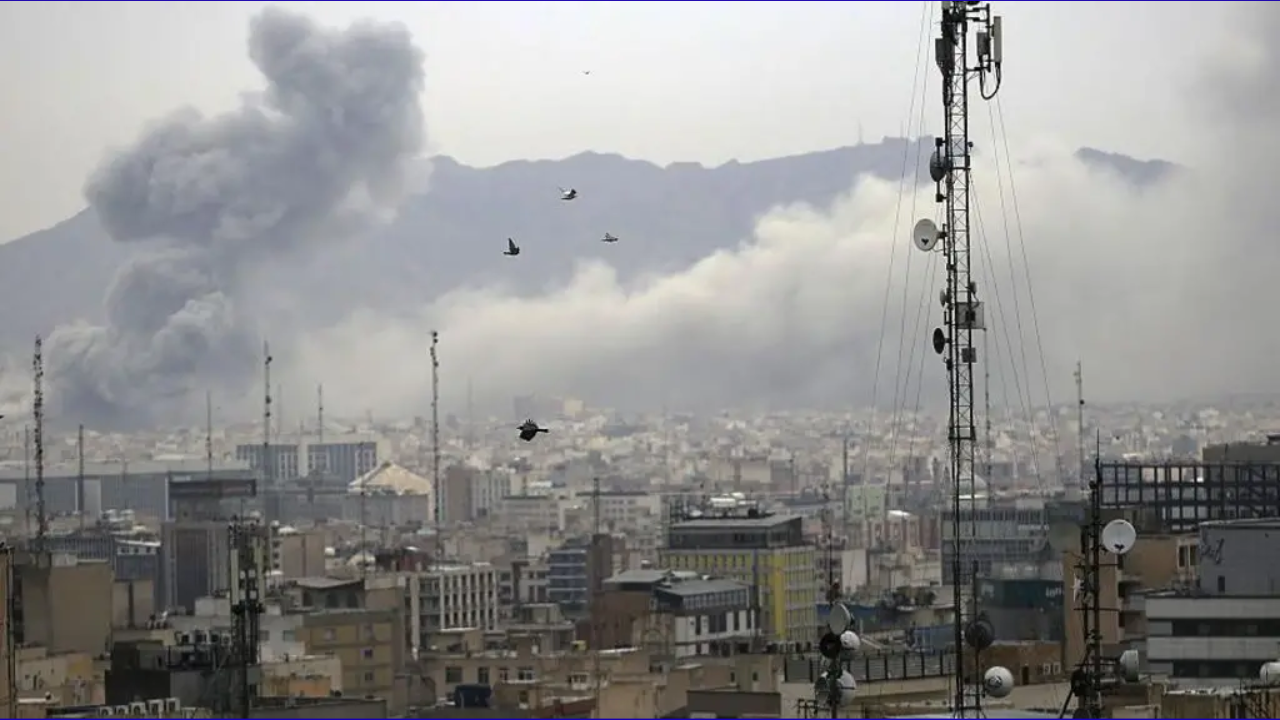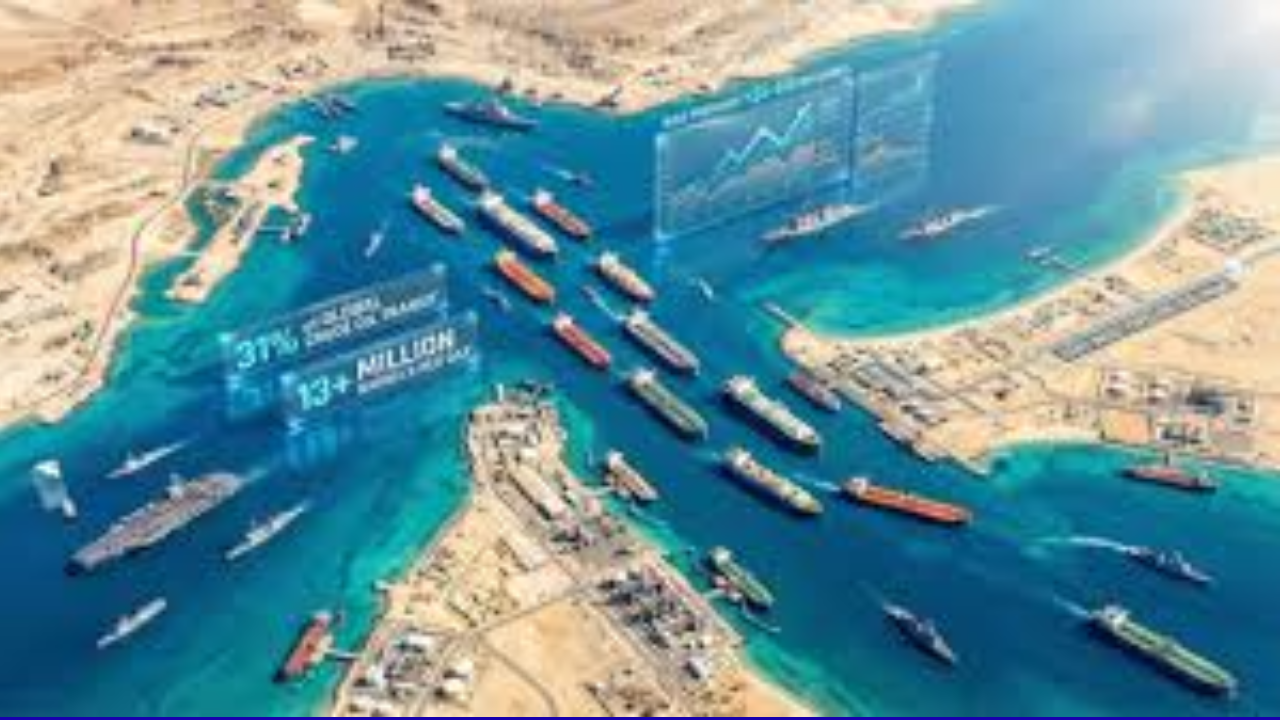
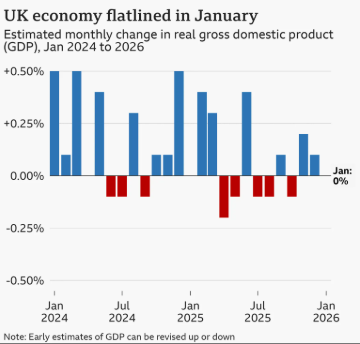
The UK economy ground to a halt in January 2026, missing growth forecasts as the hospitality sector slumped and the outbreak of the US-Israeli war with Iran sent fresh shockwaves through global energy markets.
Thank you for reading this post, don't forget to subscribe!Key Data Points:
- GDP Growth: 0.0% for January (down from 0.1% in December).
- Hospitality Hit: Food and drink services plummeted by 2.7% as consumers cut back on dining out.
- Sector Split: Construction saw a modest 0.2% rise, but production fell by 0.1%.
- Growth Forecasts: The OBR has slashed its 2026 growth prediction from 1.4% to 1.1%.
The “Energy Shock” Factor
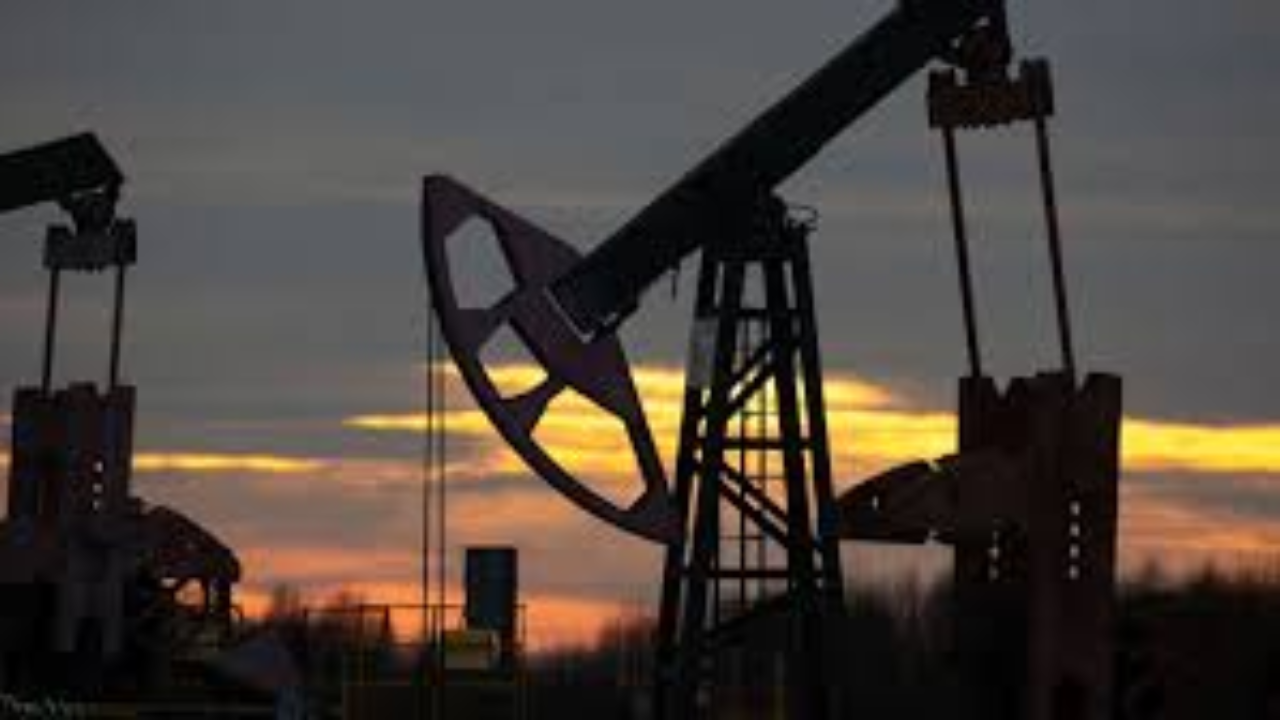
The conflict in the Middle East has derailed hopes for a smooth economic recovery. While the Ofgem price cap protects households from immediate electricity hikes until July, the “ripple effect” is already visible:
- At the Pump: Rising petrol and heating oil prices are squeezing budgets.
- Inflation Alert: The Bank of England’s 2% inflation target—previously expected by spring—is now under threat.
- Interest Rates: Analysts who predicted a rate cut in March now expect a “hold” as the Bank remains wary of energy-driven price spikes.
The Political Battleground
The flatlining economy has sparked a fierce war of words in Westminster:
- Chancellor Rachel Reeves insists the government’s long-term plan to cut debt and lower the cost of living is the only way to build a “secure economy” in an uncertain world.
- Shadow Chancellor Mel Stride labeled the situation “economic mismanagement,” calling for an immediate cut to fuel tax and a surge in North Sea oil and gas production to shield the UK from the Iran war’s fallout.
The Outlook: “Subdued and Fragile”
Economists warn that as long as energy prices remain volatile and interest rates stay “higher for longer,” business investment will likely dry up. With growth remaining elusive, the UK enters the spring on the back foot, facing a delicate balancing act between controlling inflation and preventing a full-scale recession.