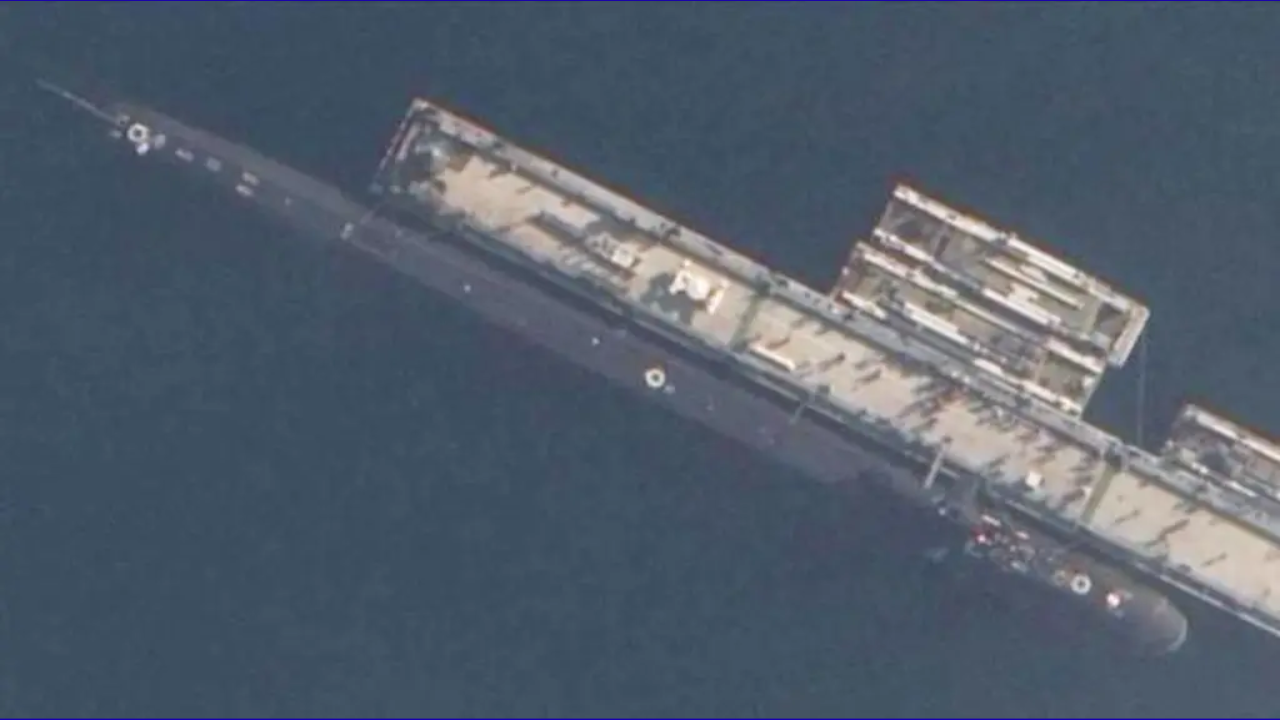
UK Defense Secretary John Healey revealed details regarding a month-long operation to deter Russian submarines operating near vital undersea cables and pipelines north of the UK. The declassified briefing highlighted a direct confrontation in the North Atlantic, signaling a shift toward more transparent defense signaling by the British government.
Thank you for reading this post, don't forget to subscribe!Overview of the Engagement
- The Russian Task Force: The group consisted of a nuclear-powered Akula-class attack submarine and two vessels from GUGI (Russia’s secretive Main Directorate for Deep-Sea Research), which specializes in deep-sea seabed warfare.
- The UK Response: The Royal Navy deployed HMS St Albans and the tanker RFA Tidespring, supported by P-8A Poseidon maritime patrol aircraft.
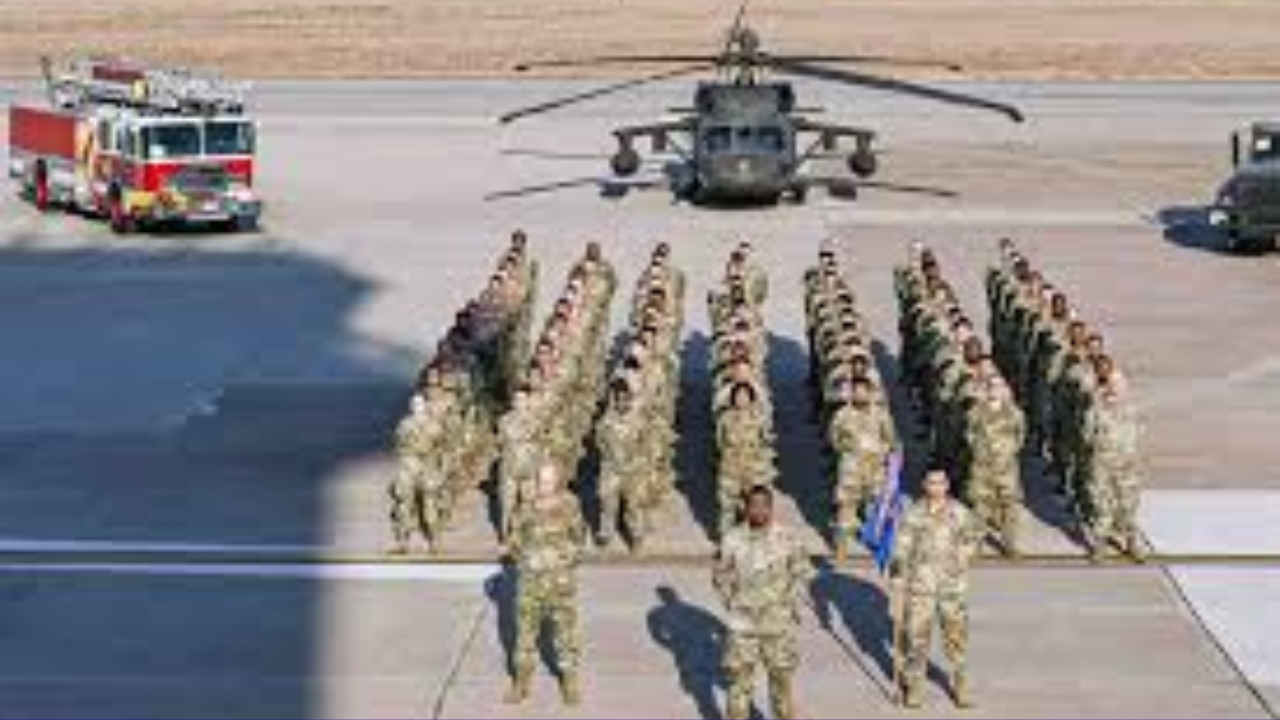
- Surveillance Intensity: More than 500 British personnel were engaged in the mission, with aircraft logging over 450 flight hours to maintain a persistent shadow over the Russian vessels.
Strategic Shifts and Countermeasures
| Initiative | Description |
| Atlantic Bastion Programme | A new strategic framework integrating autonomous underwater drones with traditional warships. |
| Increased Funding | £100 million allocated to enhance the P-8 submarine-hunting fleet. |
| Spending Commitment | A pledge to increase UK defense spending to 2.6% of GDP by 2027. |
The “Overt” Deterrence Strategy
Unlike traditional “silent” submarine hunting, the UK and its Norwegian allies chose to make their presence highly visible. By dropping sonobuoys and shadowing the Russian vessels closely, they signaled that the “covert” nature of the Russian mission had been neutralized, eventually forcing the fleet to retreat.
“To President Putin, I say: we see you. We see your activity over our cables and pipelines… any attempt to damage them will not be tolerated and will have serious consequences.”
— John Healey, UK Defense Secretary