Following months of sustained Iranian strikes, the United Arab Emirates has declared a successful national defense. Anwar Gargash, senior diplomatic adviser to the presidency, stated that the nation “triumphed” through an “epic national defense” that preserved the country’s sovereignty and protected its economic achievements against “treacherous aggression.”
Thank you for reading this post, don't forget to subscribe!Gargash noted that the UAE emerges from this conflict with greater regional leverage and “sharper insight,” positioning the nation as a key architect in shaping the future of the Middle Eastern landscape.
Defense by the Numbers
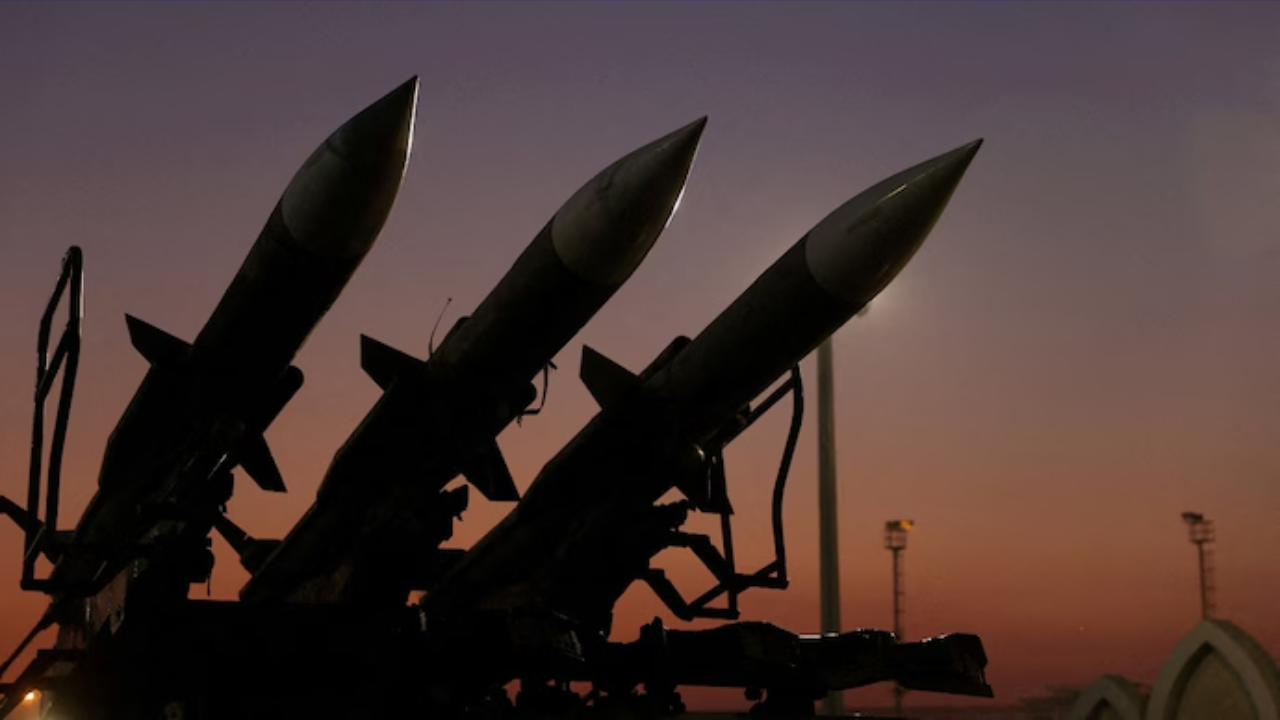
The scale of the aerial campaign against the UAE was immense. According to the Ministry of Defence, UAE air defenses intercepted thousands of projectiles aimed at its territory:
| Threat Type | Interceptions |
| Drones | 2,221 |
| Ballistic Missiles | 520 |
| Cruise Missiles | 26 |
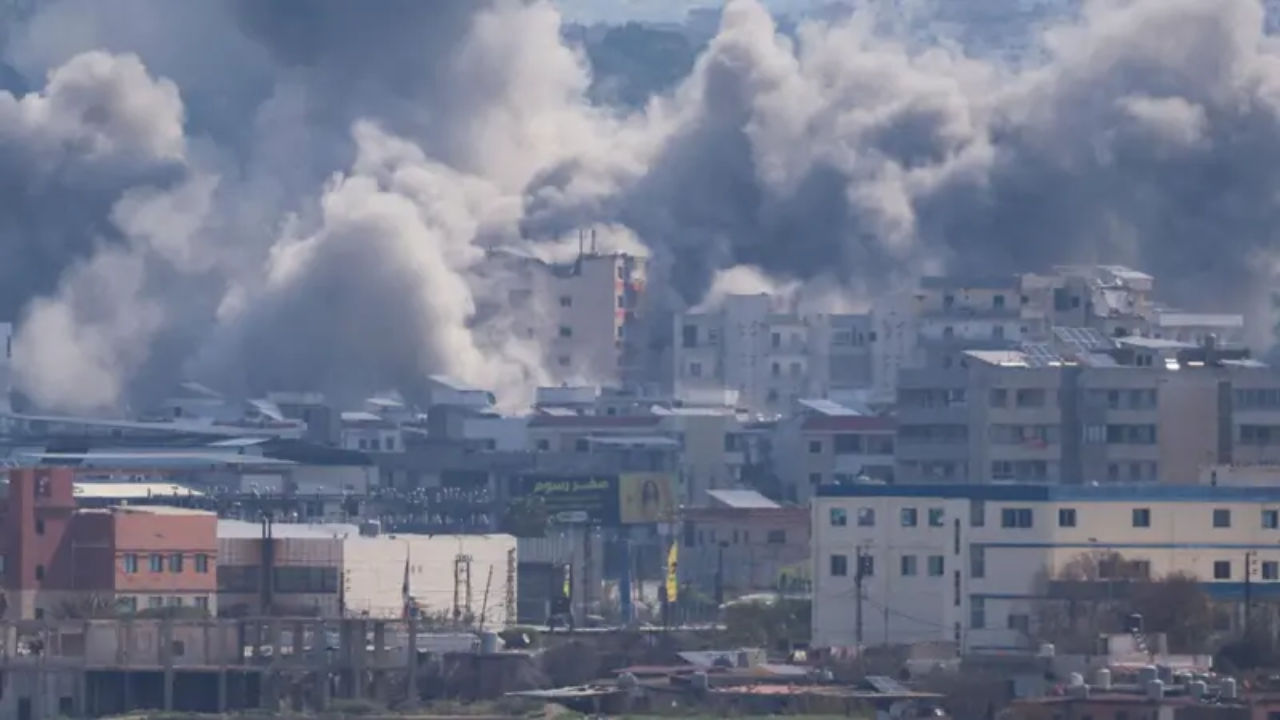
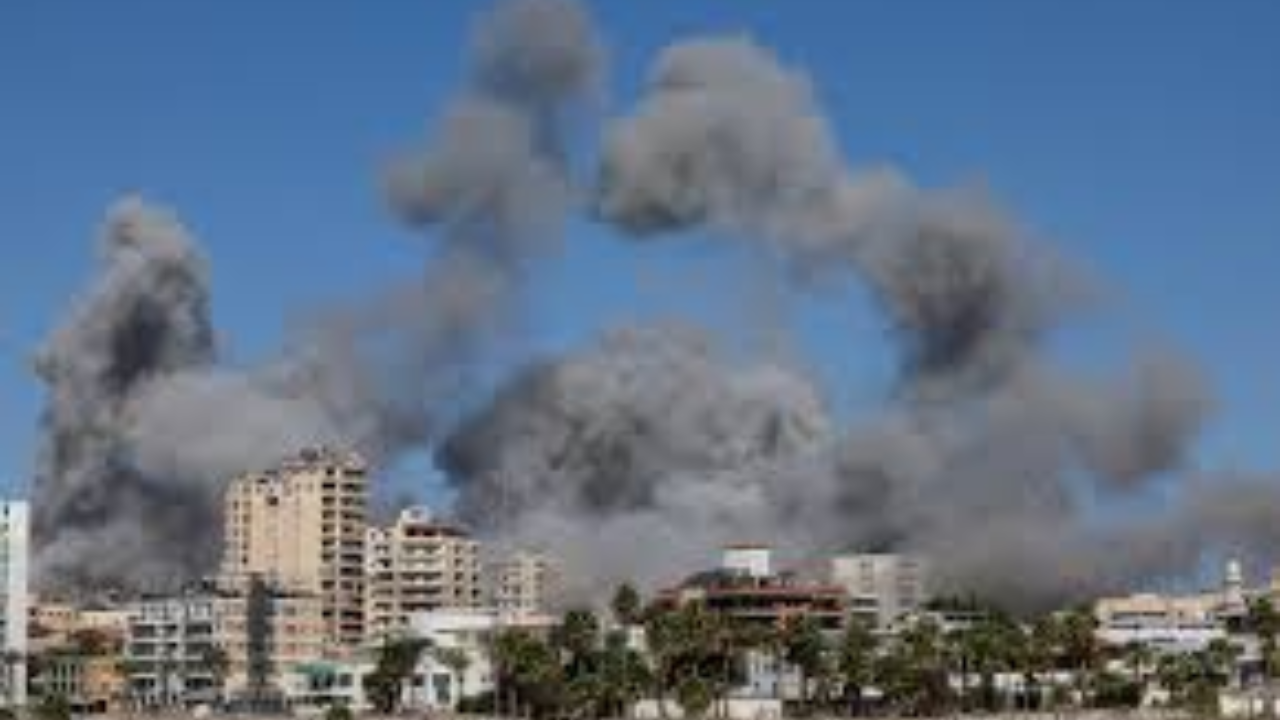
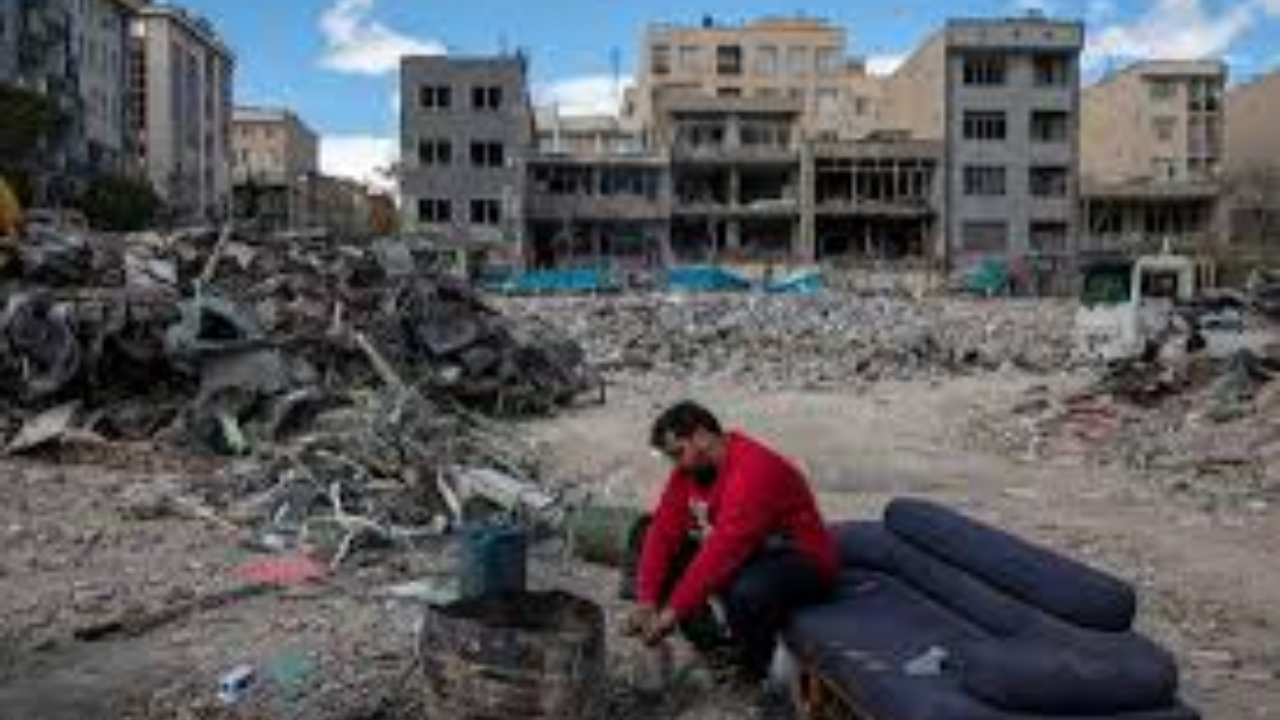
While the interception rate was high, the conflict was not without a heavy toll. Falling debris and successful strikes caused significant damage to residential areas and global landmarks in Dubai and Abu Dhabi, resulting in at least 10 civilian deaths and over 200 injuries.
The Path to Peace: Diplomatic Reactions
The temporary ceasefire, brokered largely by Pakistan, has been met with cautious optimism across the Gulf.
- Oman’s Stance: Foreign Minister Badr Al-Busaidi welcomed the pause in hostilities, crediting Pakistan’s mediation efforts. However, he cautioned that the international community must “intensify efforts” to convert this brief window into a permanent settlement.
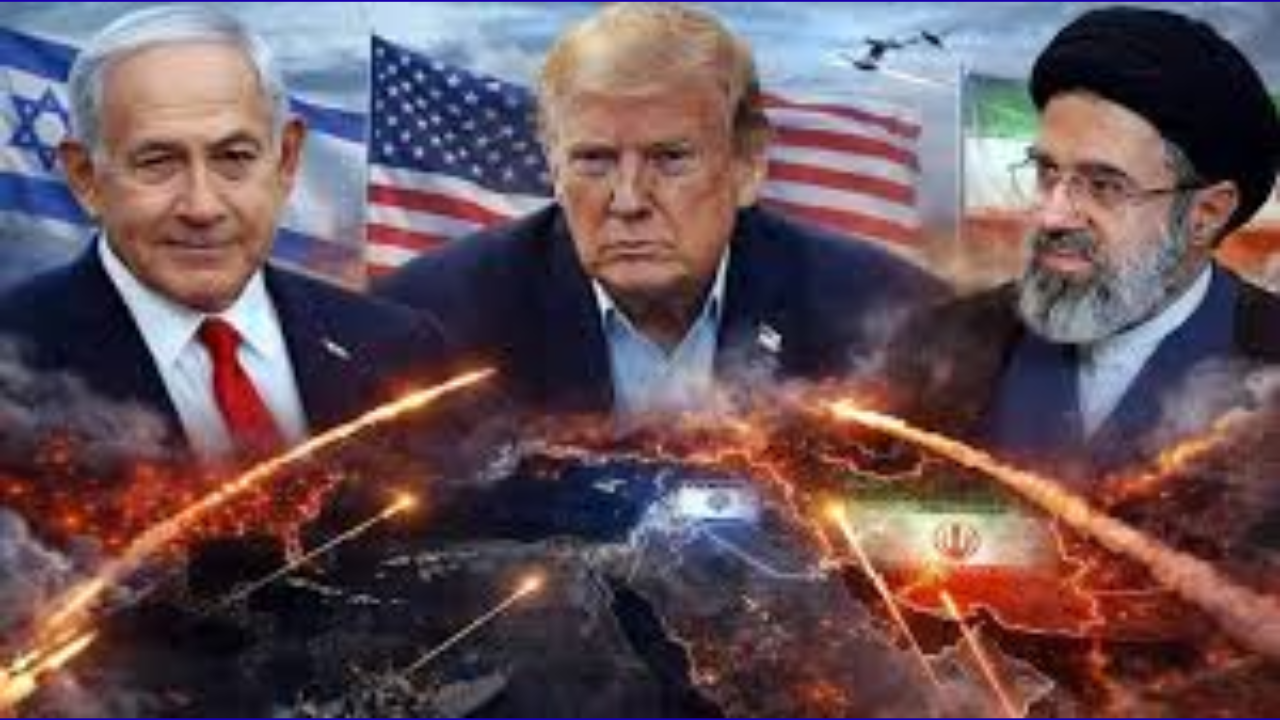
- Next Steps: The ceasefire is intended to set the stage for high-level negotiations in Islamabad, where U.S. and Iranian delegations are expected to meet this Friday to discuss a 10-point peace plan.
“We have stepped back from the edge of disaster, but there is no room for complacency.” — Oman Foreign Ministry Statement