The United States has entered a new phase of its intervention in Venezuela, transitioning from naval blockades to the active seizure and sale of the country’s oil reserves. Following the capture of Nicolás Maduro earlier this month, the Trump administration is moving to dismantle the “shadow fleet” that once sustained the previous regime.
Thank you for reading this post, don't forget to subscribe!Key Operational Updates
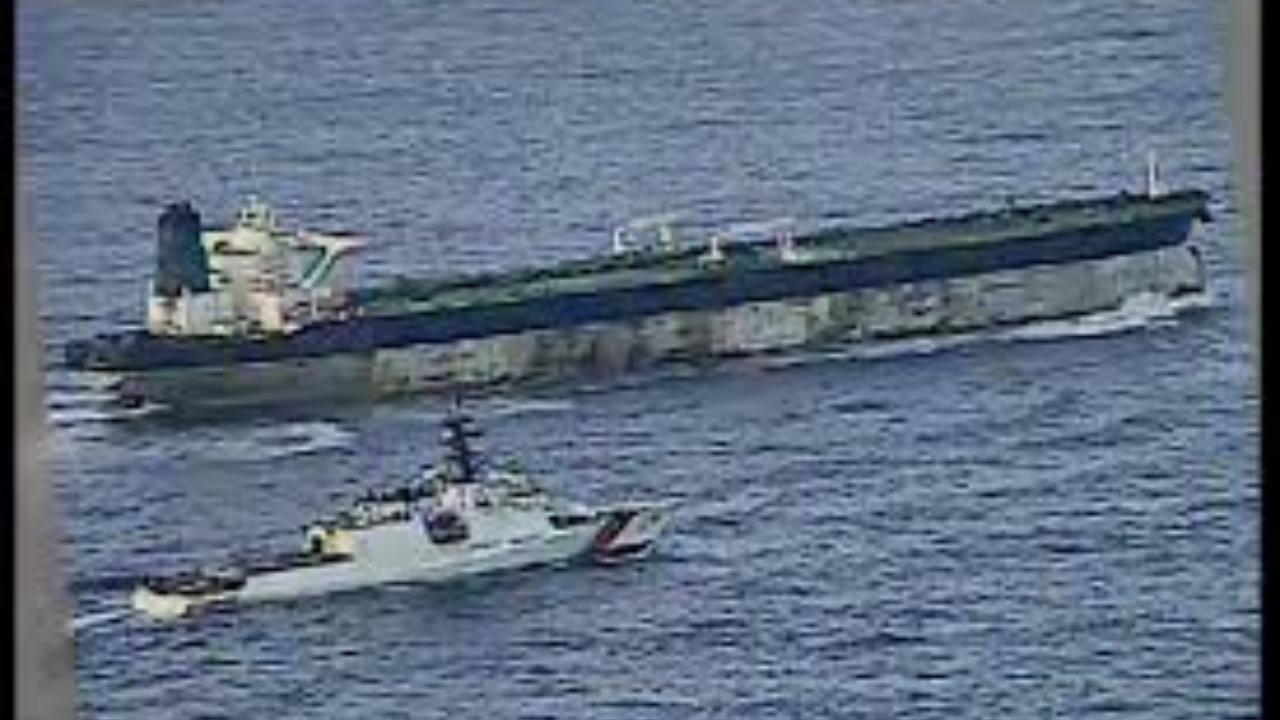
- High-Seas Interceptions: Following the seizure of the Skipper in late 2025, U.S. forces recently took control of the tankers Marinera and Sophia. These vessels were allegedly transporting millions of barrels of crude intended for sanctioned markets.
- Targeting the “Dark Fleet”: U.S. Secretary of State Marco Rubio has signaled that any vessel found moving Venezuelan oil without U.S. authorization will be subject to immediate boarding and asset forfeiture.
- Direct Market Injection: Unlike previous sanctions that left oil “stranded” at sea, the U.S. Treasury Department is now organizing the public auction of these cargoes to global buyers.
Economic and Legal Strategy
The administration’s strategy, supported by Energy Secretary Chris Wright, aims to stabilize global energy prices while stripping the remnants of the Maduro government of their primary funding source.
| Strategic Goal | Method of Execution |
| Market Stabilization | Releasing 30M+ barrels of seized crude into the global supply to lower prices at the pump. |
| Asset Liquidation | Redirecting an estimated $2 billion to $3 billion in oil revenue into U.S.-managed escrow accounts. |
| Infrastructure Control | U.S. technical teams are being deployed to the Orinoco Belt to secure extraction facilities and prevent sabotage. |
The “Trusteeship” Model
The U.S. maintains that it is not “taking” the oil for itself, but rather acting as a temporary trustee. The revenue generated from these sales is reportedly earmarked for the eventual reconstruction of Venezuela under a transition government, though critics argue this constitutes a breach of international maritime law and sovereign rights.