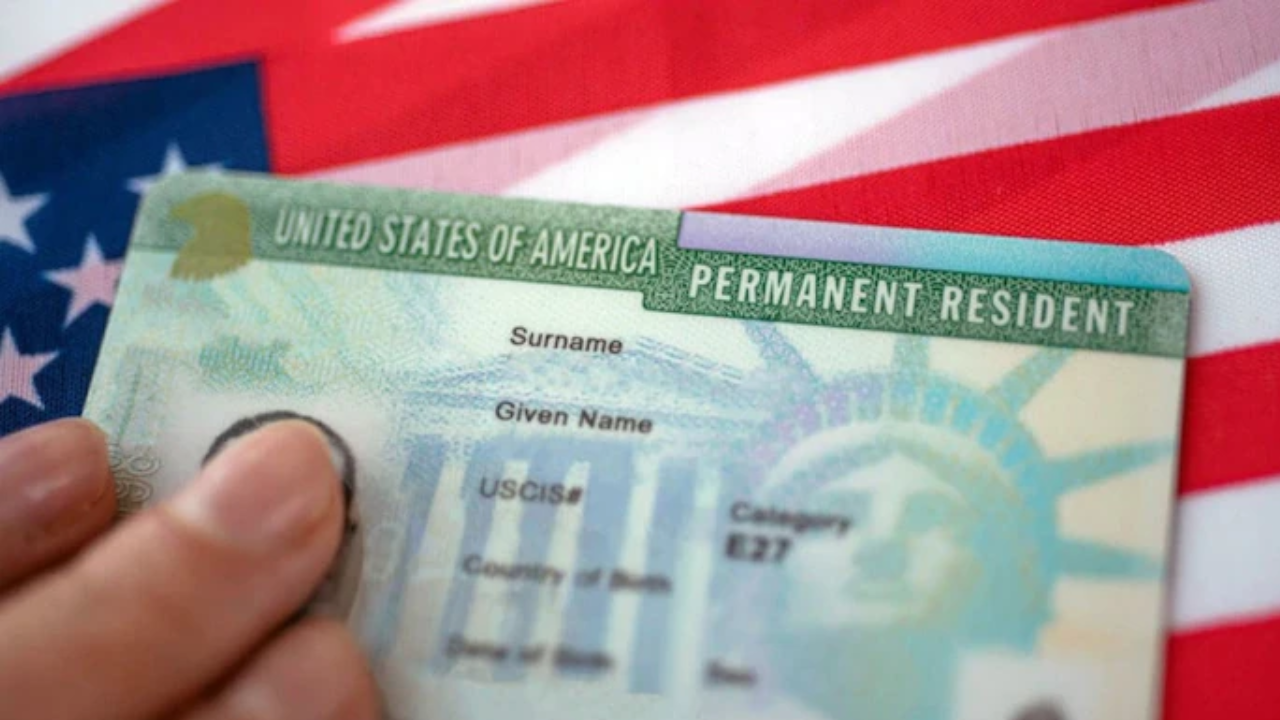
The United States has officially expanded its border security protocols, introducing mandatory biometric checks for all non-citizens—including Lawful Permanent Residents (green card holders). Effective December 26, these measures represent a significant escalation in the government’s ability to monitor movement at every airport, seaport, and land crossing in the country.
Thank you for reading this post, don't forget to subscribe!1. The New Biometric Standard
Under the updated Department of Homeland Security (DHS) rules, U.S. Customs and Border Protection (CBP) is now required to photograph every non-citizen upon entry and departure.
- Expanded Scope: The policy now includes previously exempt groups, such as children under 14 and seniors over 79.
- Technology Used: The “Traveler Verification Service” will utilize facial recognition, fingerprints, and iris scans to cross-reference travelers against federal immigration databases.
- Exit Tracking: For the first time, biometric monitoring will be strictly enforced at exit points, ensuring the government has a digital record of exactly when a traveler leaves the U.S.
2. Impact on Green Card Holders
While green card holders have historically faced less friction at the border than visa holders, this overhaul introduces several new hurdles:
- Travel History Scrutiny: Increased data collection allows officials to more easily flag residents who may be jeopardizing their status by staying outside the U.S. for extended periods.
- Enhanced Vetting for 19 Nations: Citizens from 19 specific countries—including Afghanistan, Haiti, Iran, Somalia, Sudan, Venezuela, and Yemen—will face “intensified reviews.” DHS cited concerns over past vetting procedures as the reason for this additional layer of security.
- Potential Delays: Travelers from these flagged nations should expect secondary questioning and delays, particularly if they have active or pending immigration applications.
3. Logistical Outlook
The biometric entry-exit system is currently rolling out at major international airports and is expected to reach full implementation across all land and sea ports within the next three to five years.
Acting Assistant Commissioner Diane J. Sabatino described the move as a “major milestone” in national security, though it comes with a warning for travelers to expect longer processing times.
4. Travel Recommendations
To navigate these changes, DHS and legal experts suggest the following:
- Allow Extra Time: Arrive at ports of entry/departure significantly earlier than usual.
- Verify Documentation: Ensure green cards and passports are valid and that all physical documents are easily accessible.
- Legal Counsel: Individuals with complex immigration histories or those from the 19 flagged countries are encouraged to consult with an immigration attorney before traveling.