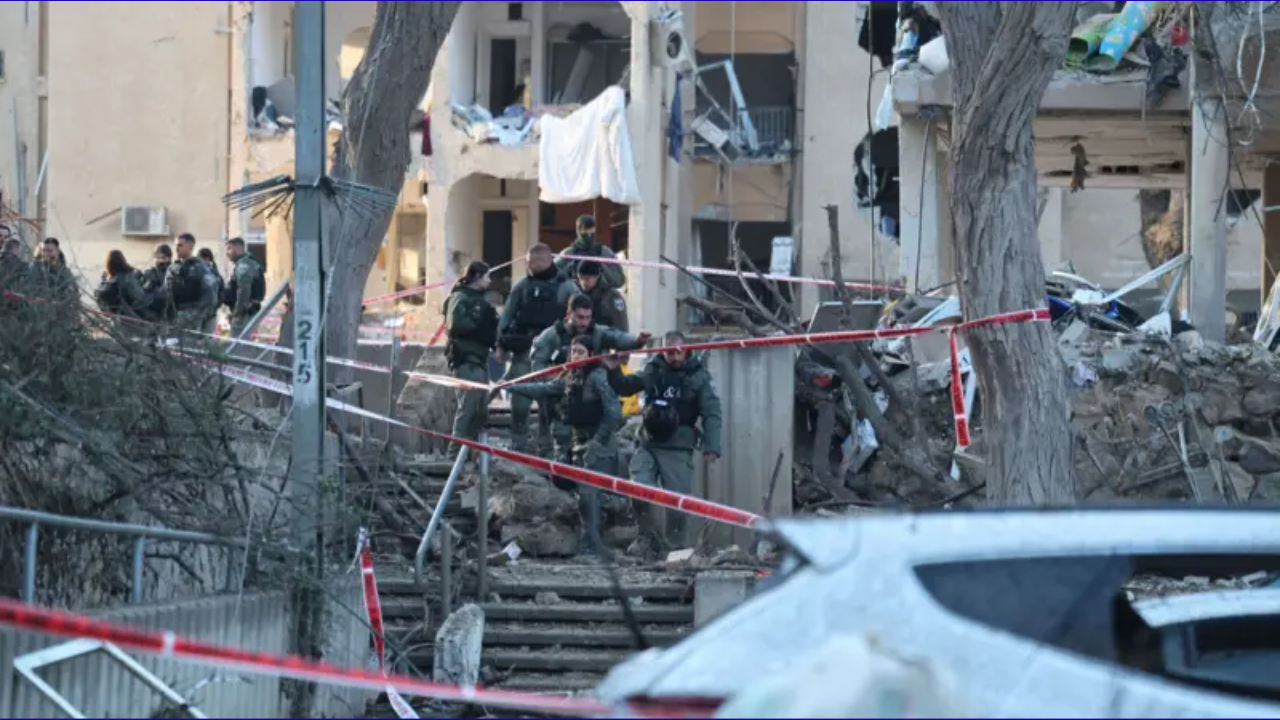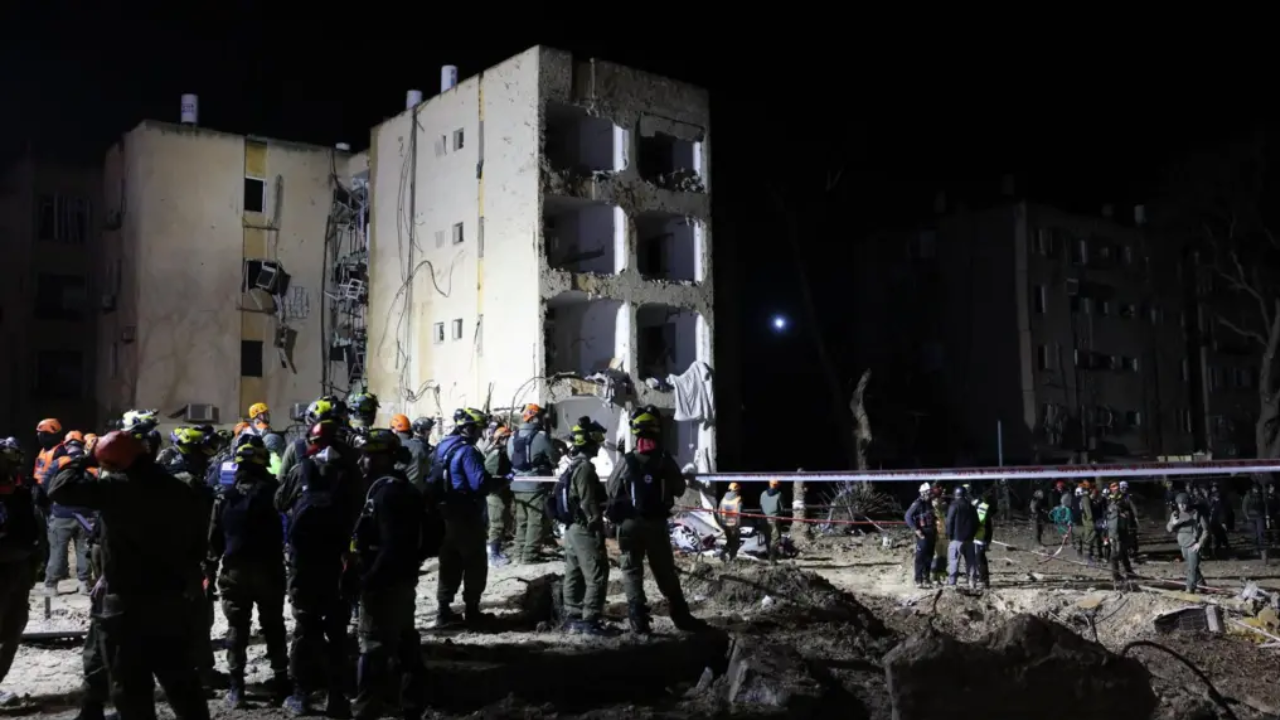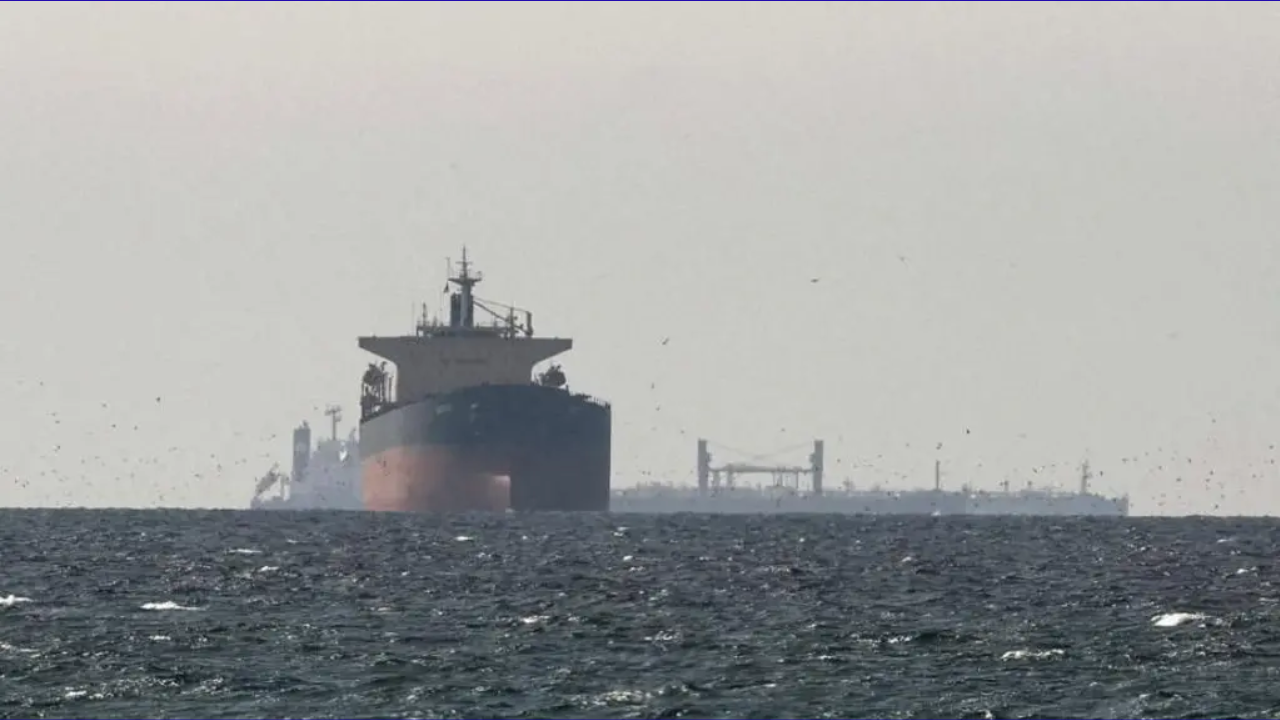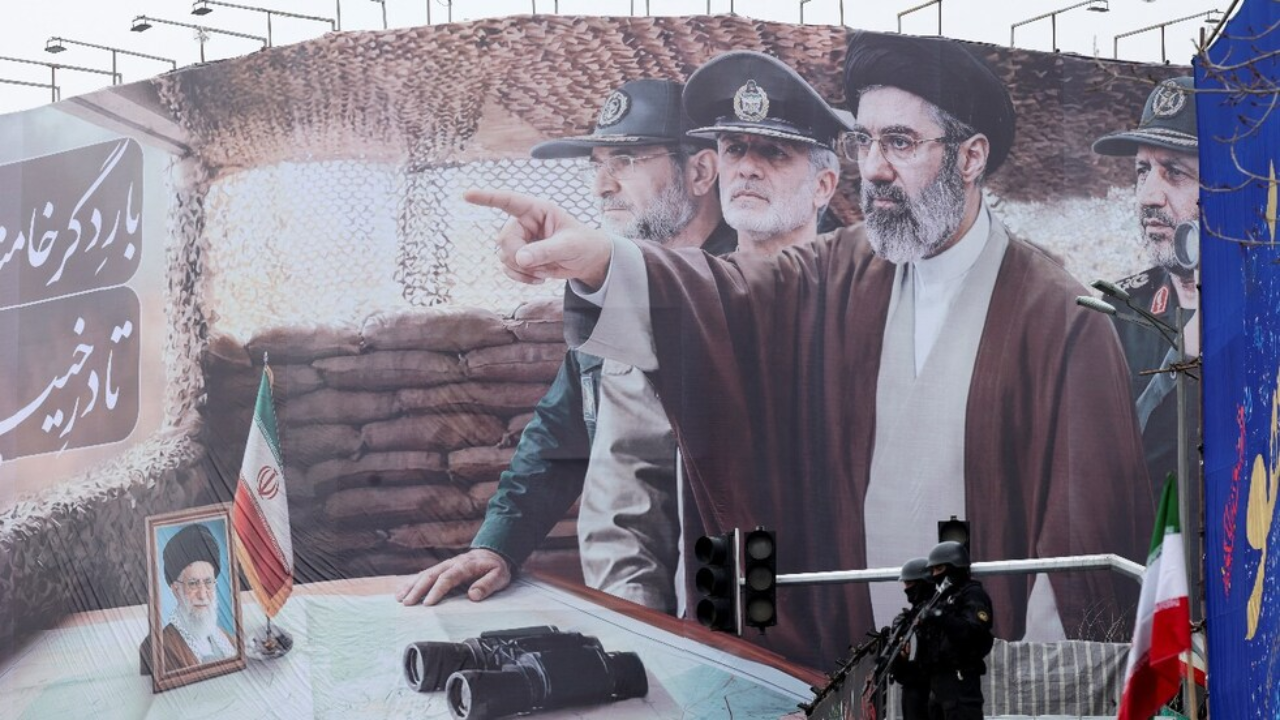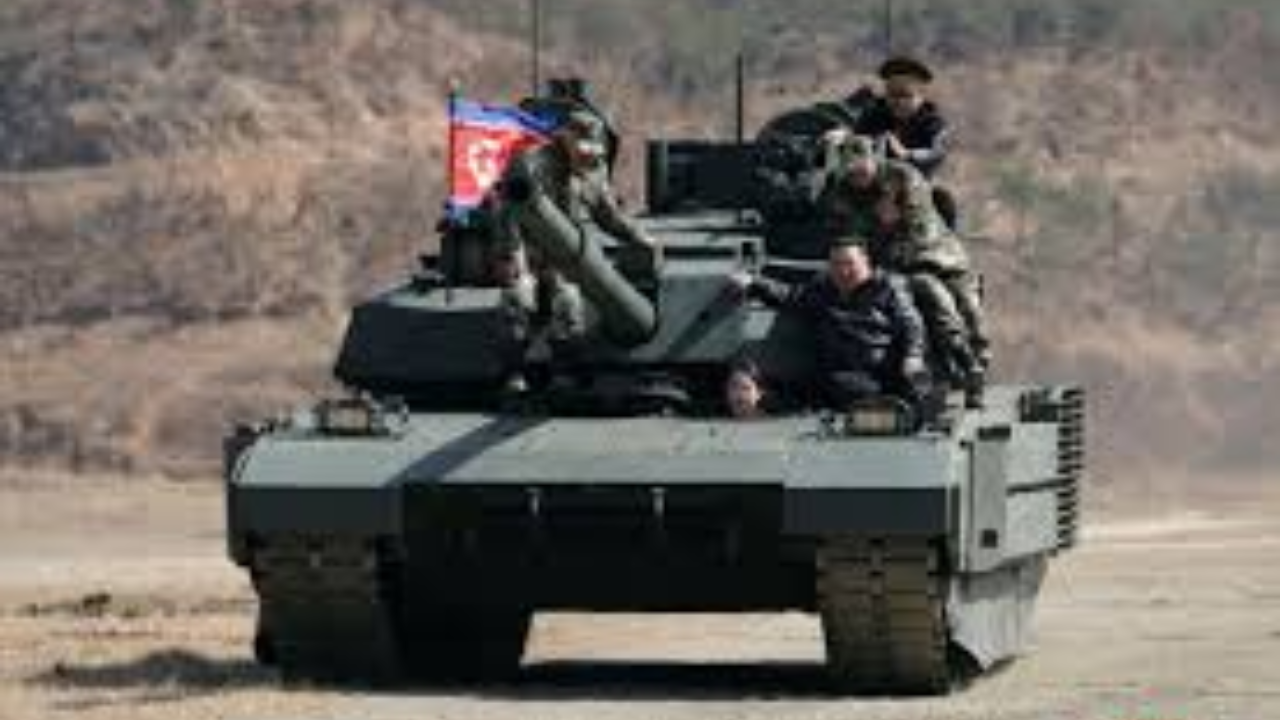
The U.S. military is currently executing a massive reinforcement of its air and missile defenses across the Middle East. This strategic surge aims to create a “defensive umbrella” over U.S. bases and regional allies, anticipating a potential retaliatory strike from Tehran should current tensions escalate into direct military action.
Thank you for reading this post, don't forget to subscribe!The Defensive Wall
- THAAD & Patriot Systems: High-altitude interceptors (THAAD) and PAC-3 Patriot batteries are being synchronized to create a multi-layered defense against ballistic and cruise missiles.
- Naval Presence: The USS Abraham Lincoln strike group, flanked by several Aegis-equipped destroyers, provides a mobile sea-based defense layer.
- Air Superiority: F-35 and F-15E squadrons have been shifted to forward operating bases to provide rapid-response interception of Iranian drones.
The Strategic Context
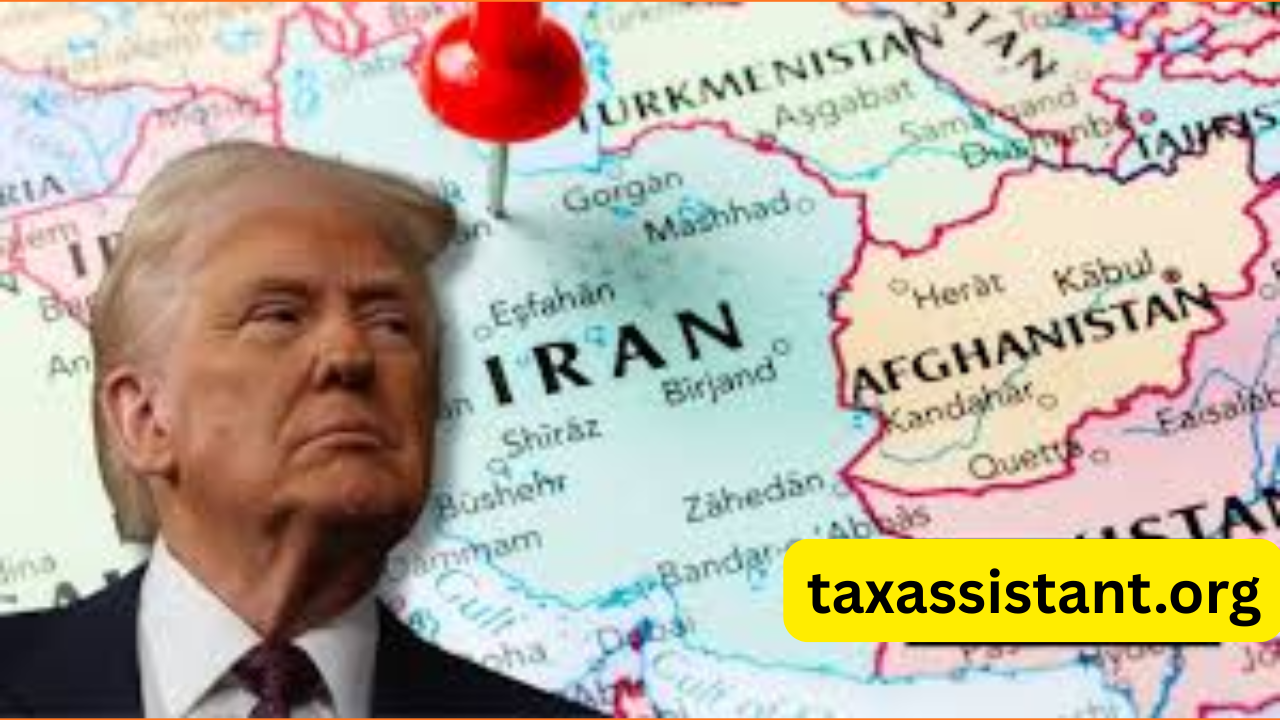
The buildup follows a series of warnings from the Trump administration regarding Iran’s internal crackdowns and regional proxy activities.
- The Goal: Washington is signaling that it is prepared for the “Day After”—meaning if the U.S. conducts limited strikes, it expects a massive Iranian response and is hardening its targets now to mitigate casualties.
- The Risk: Regional partners like Saudi Arabia and the UAE are walking a tightrope, reportedly denying the U.S. permission to use their soil for offensive strikes to avoid becoming “front-line” targets in a broader war.
Quick Summary
| Aspect | Current Status |
| Objective | Deter Iranian retaliation and protect U.S. assets. |
| Primary Tech | THAAD, Patriot PAC-3, Aegis Destroyers. |
| Geopolitics | Allies are supportive of defense but wary of offensive escalation. |