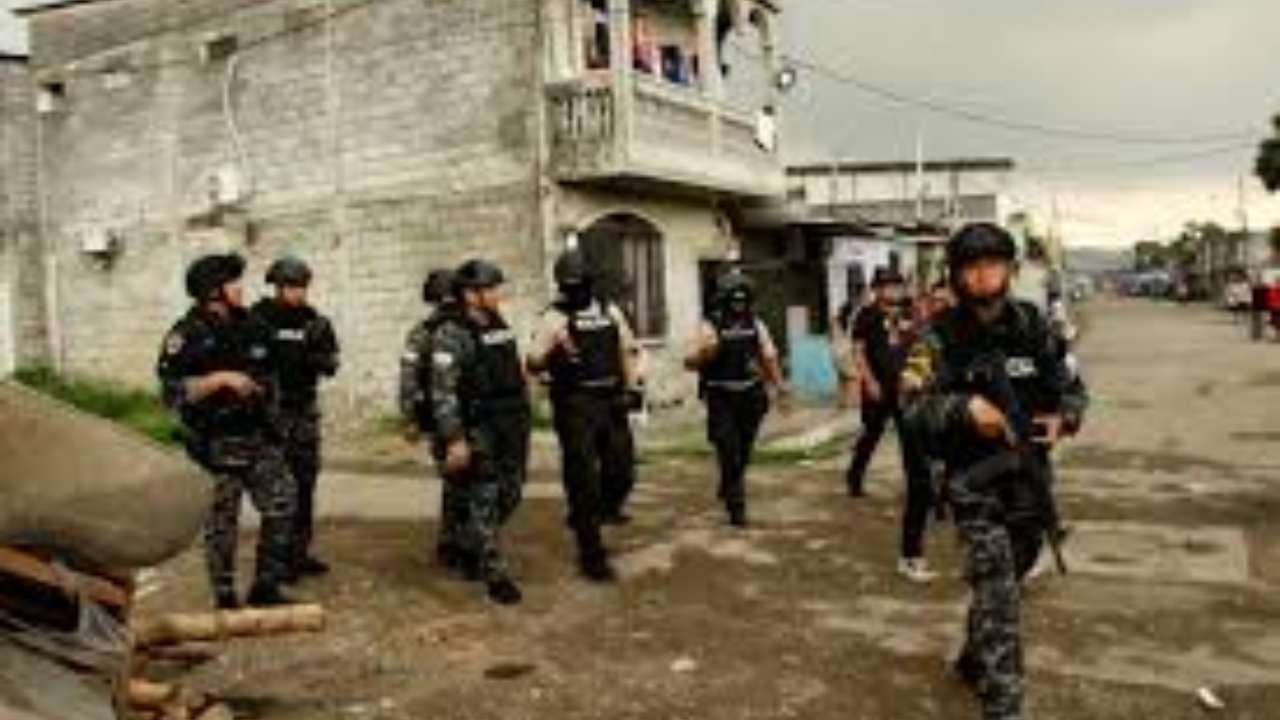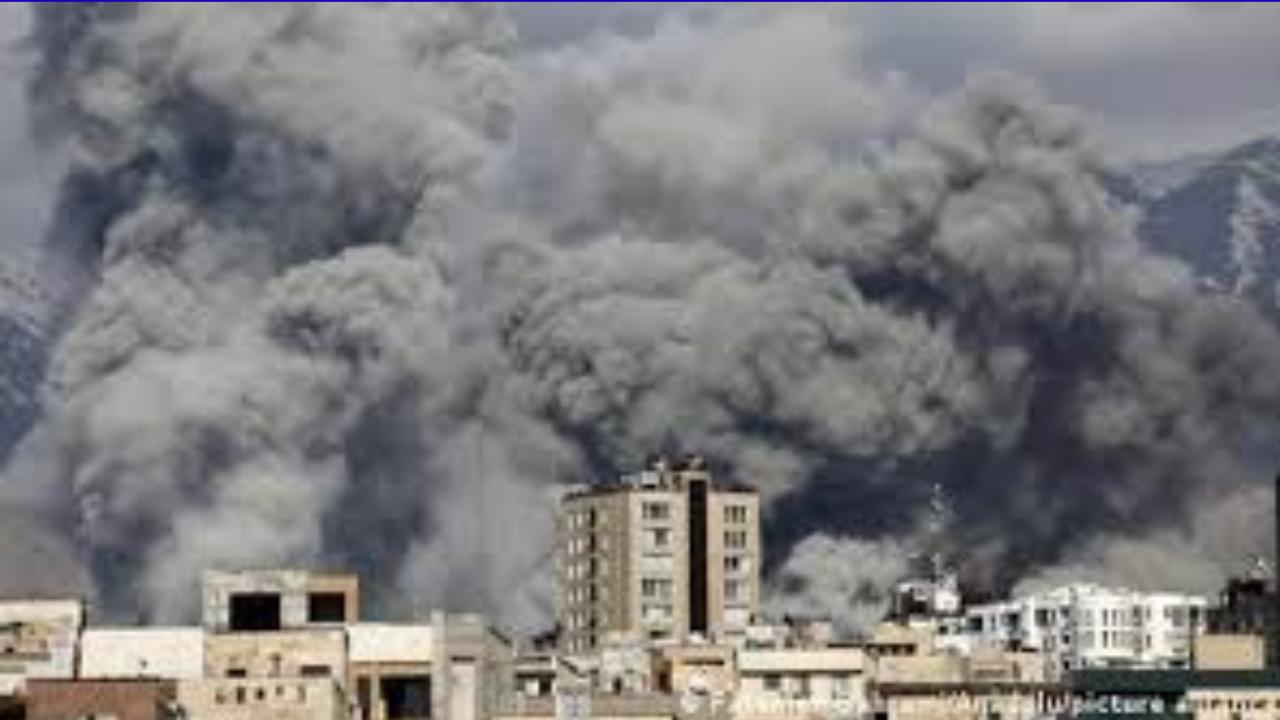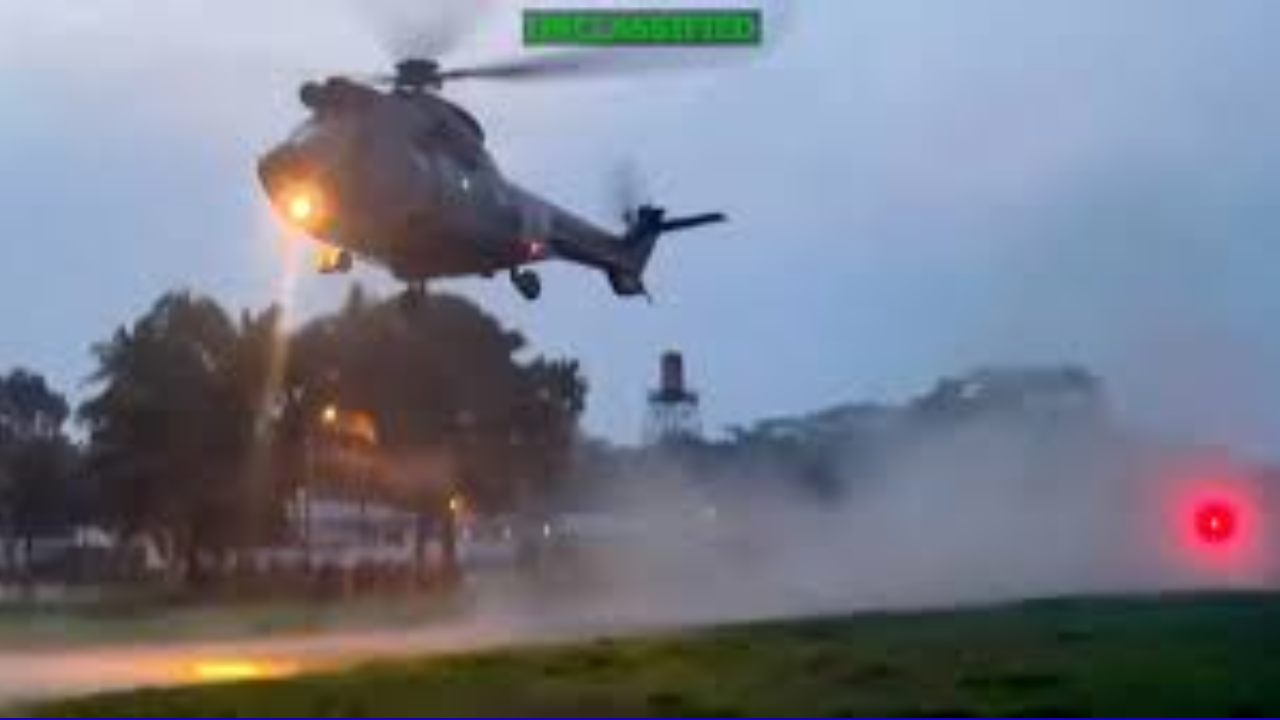
The security landscape in South America shifted dramatically on March 3, 2026, as the United States transitioned from an advisory role to active military collaboration within Ecuador. Following the recent designation of major Ecuadorian gangs as Foreign Terrorist Organizations (FTOs), the U.S. Southern Command (SOUTHCOM) has officially begun a series of “kinetic operations” alongside Ecuadorian forces.
Thank you for reading this post, don't forget to subscribe!1. The Strategic Shift
- Direct Intelligence Integration: Real-time satellite and drone surveillance shared directly with Ecuadorian ground units.
- Advisory Raids: U.S. Special Forces are reportedly embedded at the command level to help coordinate high-stakes raids against group strongholds.
- Asset Freezing: Utilizing the FTO designation to cripple the international banking pipelines of groups like Los Lobos.
2. Why Now?
The intervention comes after a 24-month spiral of violence that turned Ecuador—once a “pocket of peace”—into one of the most dangerous transit points for the global cocaine trade. President Daniel Noboa’s administration has framed this as an “Internal Armed Conflict,” essentially treating the gangs as insurgent armies rather than common criminals.
Comparison: Old vs. New Policy
| Category | Previous Policy | 2026 Policy Update |
| Gang Status | Criminal Organizations | Designated Terrorist Groups |
| U.S. Presence | Coast Guard/Training | Special Forces Advisory/Air Support |
| Scope | Regional Drug Interdiction | Targeted Dismantling of Networks |
The Bottom Line
While the U.S. maintains that it is not engaging in “boots on the ground” combat, the level of tactical support is the highest it has been in the region in decades. Supporters see it as a necessary firewall against a “narco-state,” while skeptics warn that this escalation could lead to a prolonged conflict with significant civilian fallout.