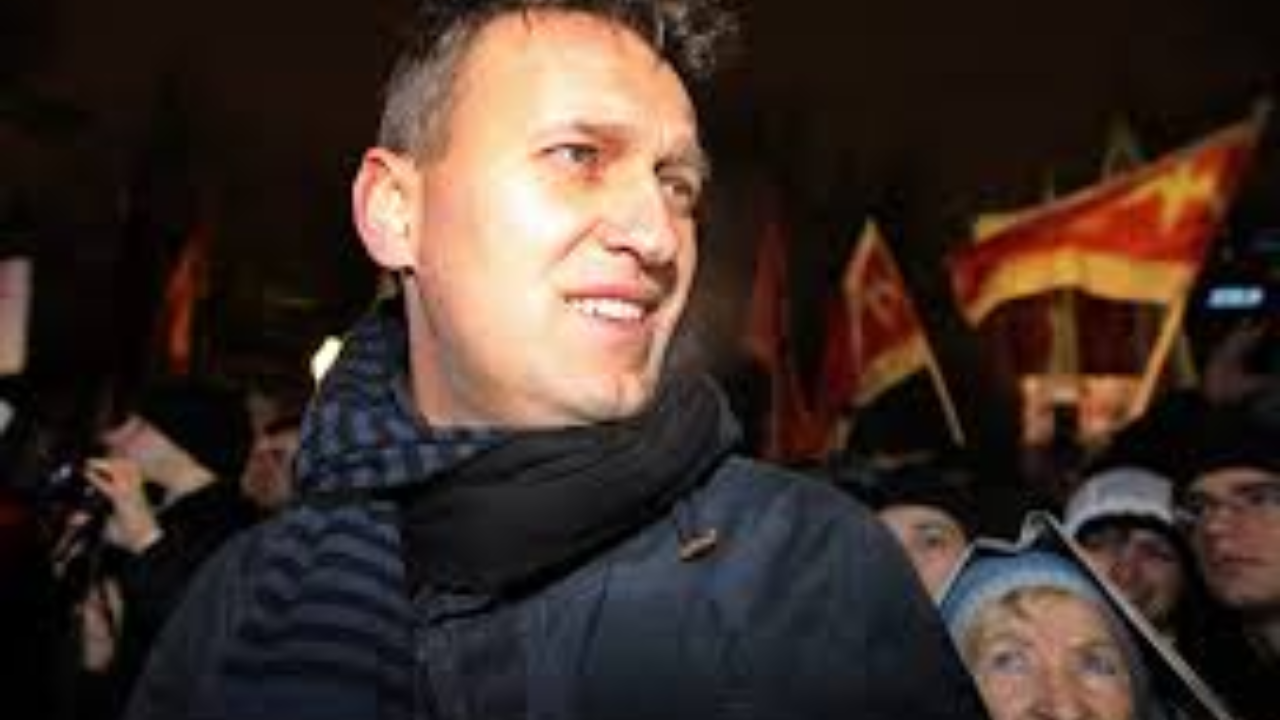
the second anniversary of Alexei Navalny’s death in the “Polar Wolf” penal colony arrived not with a quiet fading of memory, but with a storm of new controversy. Far from a closed chapter, Navalny remains a central, albeit spectral, figure in the ongoing friction between Moscow and the West.
Thank you for reading this post, don't forget to subscribe!The Forensic Catalyst
The most striking development this year is the joint report from five European nations—the UK, France, Germany, Sweden, and the Netherlands. They claim tissue analysis has identified epibatidine, a potent neurotoxin, in samples related to his death.
- The Implication: By highlighting a toxin not native to Russia, these nations are framing his death as a premeditated, specialized assassination.
- The Counter-Narrative: The Kremlin maintains its original stance, dismissing the report as Western “information warfare” and reiterating that his death was due to natural causes.
A Movement in Exile and Under Pressure
- A Leaderless Interior: With Yulia Navalnaya leading the movement from abroad, the internal Russian opposition faces a “total freeze.” The designation of his foundation as a terrorist organization has criminalized even minor associations with his name.
- The Legal Fallout: The recent sentencing of Navalny’s former defense attorneys serves as a stark warning that in today’s Russia, even the legal act of representing a dissident carries a prison sentence.
The Geopolitical Divide
For Europe, Navalny has become a martyr-symbol used to justify a permanent diplomatic shift:
- Institutional Support: The Council of Europe’s new “Platform for Dialogue” ensures that the Russian opposition, though exiled, remains a stakeholder in European politics.
- A “Sole Responsibility” Stance: A coalition of 15 nations has formally codified their belief that the Russian state is responsible for his fate, effectively ending any hope for a “reset” in relations in the near future.