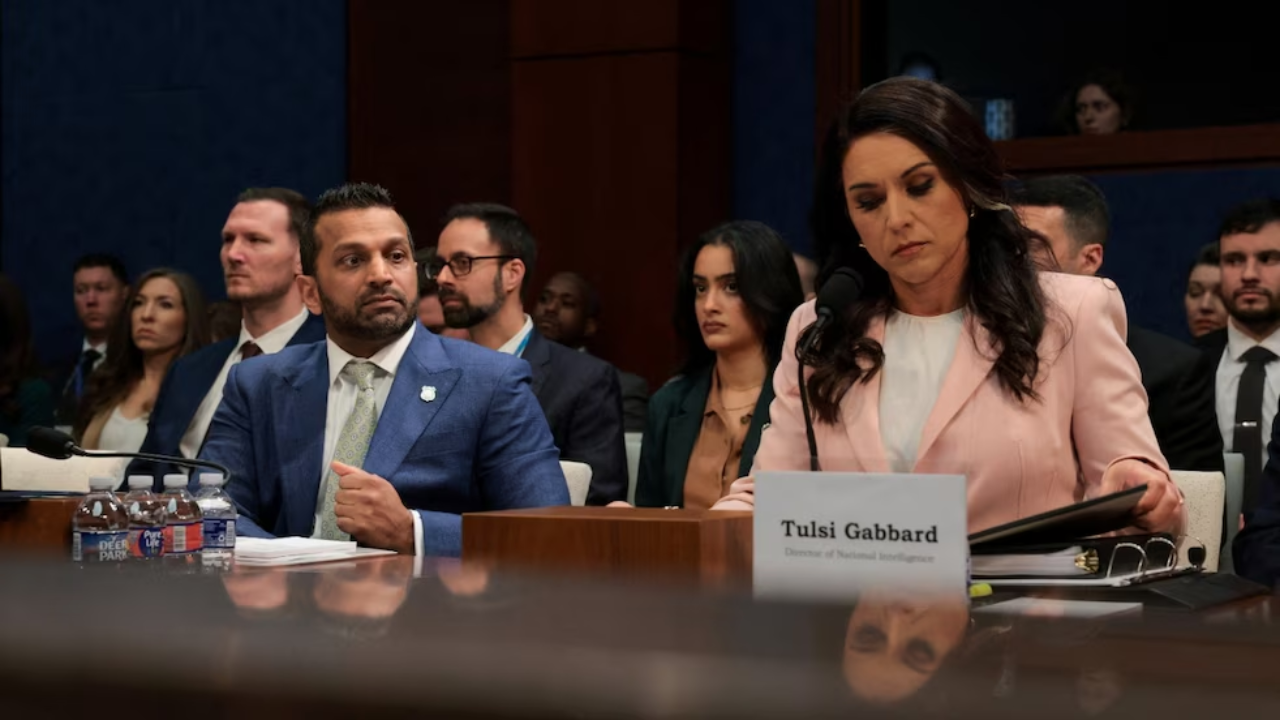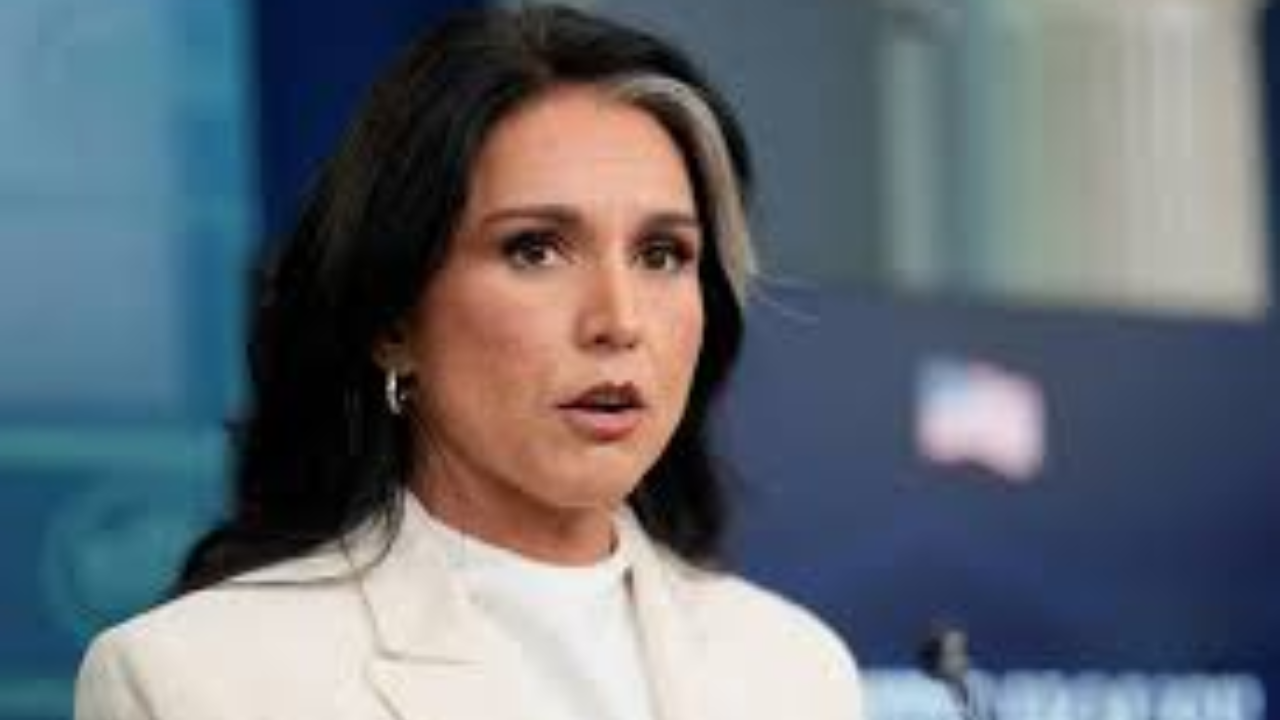
Director of National Intelligence Tulsi Gabbard has officially shuttered the Director’s Initiatives Group (DIG), a high-impact task force she launched in early 2025 to overhaul the U.S. intelligence community.
Thank you for reading this post, don't forget to subscribe!Mission and Key Actions
The DIG was established with the aggressive mandate to “depoliticize” the 18 agencies it oversees. During its short lifespan, the task force spearheaded several major initiatives:
- Mass Declassification: Pushed through the release of long-guarded files on the JFK/RFK/MLK assassinations and the origins of the COVID-19 pandemic.
- Clearance Revocations: Stripped security clearances from 37 current and former officials, a move critics labeled as a “purge” of political dissenters.
- Budget Cuts: Proposed a $700 million reduction in ODNI spending by targeting “bureaucratic bloat.”
Why the Group Folded Now
The decision to end the DIG appears to be a strategic pivot. While Gabbard maintains the group’s specific projects are now complete, several external pressures likely accelerated its end:
- Legislative Pressure: Congress recently demanded a deep-dive report on the DIG’s hiring practices and leadership. Gabbard’s office notably missed the January 2026 deadline for this disclosure.
- Operational Errors: Reports surfaced that the group accidentally compromised the identity of an undercover CIA officer and misidentified a federal employee in connection to the January 6 pipe bomb investigation.
- Institutional Resistance: The task force faced consistent pushback from career intelligence professionals who viewed the unit as a partisan “loyalty squad.”
Current Status of Reform Efforts
| Factor | Status Post-DIG |
| Personnel | DIG staff are being integrated into permanent ODNI departments. |
| Policy Change | The President’s Daily Brief (PDB) remains under tighter, centralized control. |
| Continuity | Gabbard insists the “reform agenda” will now be handled by the general workforce. |
Bottom Line: The DIG was a lightning rod for controversy. By folding the task force now, Gabbard may be attempting to shield her broader reform goals from further congressional oversight while embedding her changes permanently into the agency’s structure.