Trump Imposes 25% Tariff on Indian Imports, Citing Trade Barriers and Russia Ties
Thank you for reading this post, don't forget to subscribe!New Delhi, India – US President Donald Trump has announced a 25% tariff on Indian imports, effective August 1, alongside unspecified “additional penalty tariffs.”1 The move has ignited strong reactions from Indian trade and policy experts, who warn of severe economic consequences for India and question the legality of such unilateral actions.2
Trump’s Justification: “Unfair” Trade and Russian Relations
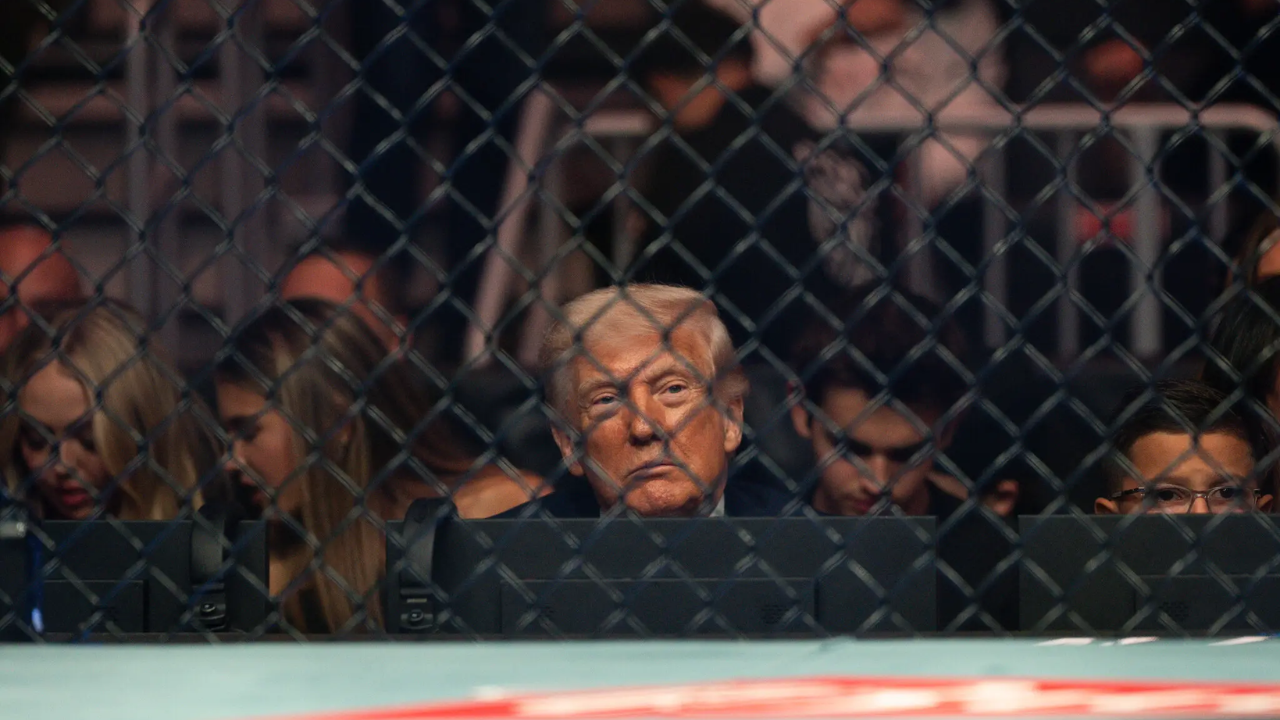
President Trump explicitly criticized India’s trade policies, labeling its tariffs as “far too high, among the highest in the world,” and its non-monetary trade barriers as “the most strenuous and obnoxious.”3 He also directly linked the tariffs to India’s continued trade and defense ties with Russia, stating that India’s “vast majority” of military equipment and energy imports from Russia are “all things not good!” given global efforts to isolate Moscow.4
Dire Economic Forecasts for India
The economic implications for India could be significant:
- GDP Impact: A recent study by the State Bank of India (SBI) projected that even a 20% tariff could lead to a 0.5% loss to India’s GDP. Analysts like Garima Kapoor of Elara Capital now warn of a potential 0.2% reduction in India’s GDP growth if the tariffs persist, with ICRA Chief Economist Aditi Nayar also confirming the higher-than-anticipated nature of these tariffs will pose a significant “headwind.”
- Export Volume Decline: The SBI report further estimated that every 1% rise in tariffs could result in a 0.5% decline in export volumes, signaling a substantial hit to India’s crucial export-oriented sectors.5
- Key Sectors at Risk: Industries such as marine products, pharmaceuticals, textiles, leather, automobiles, smartphones, and jewelry are expected to face immediate and severe disruption. While pharmaceuticals and semiconductors were initially spared, their inclusion or exclusion remains a point of market unease.
- Erosion of Trade Surplus: Former Finance Secretary S.C. Garg cautioned that these high penalty tariffs could “destroy India’s export surplus with the US.” India’s current trade deficit with the US stands at $45.7 billion.
Indian Experts Decry “Blackmail” and Call for Retaliation
Reactions from Indian trade and policy experts range from disappointment to outrage:
- Legality and Fairness: Anjali Prasad, former Ambassador to the WTO, unequivocally questioned the legality of unilateral tariff penalties, asserting that such actions “breach multilateral trade norms and risk creating chaos in the global trading system.” S.C. Garg labeled the US approach “sheer blackmail” and incompatible with fair trade practices.
- Accommodation vs. Unreasonableness: Garg highlighted India’s efforts to accommodate US concerns, such as importing American energy despite high transportation costs. He argued that applying the same logic to defense purchases is “unreasonable.”
- Uncertainty for Exporters: Ajay Sahai, Director General of the Federation of Indian Export Organisations (FIEO), expressed disappointment, noting that the lack of clarity on the “penalty component” makes it difficult for exporters to assess the full impact. Exporters may consider temporarily absorbing losses in hopes of a future Bilateral Trade Agreement (BTA).
- Undermining Relations: Raymond Vickery, Senior Associate at the Centre for Strategic and International Studies, described the move as “unfortunate,” stating it “undermines decades of bipartisan progress in US-India relations” and criticized Trump’s “transactional approach.”
- Call for Leadership: Both Anjali Prasad and Raymond Vickery urged India to consider retaliation and seize the moment to show global leadership in defending international trade rules.
What’s Next? Negotiations Expected
Despite the immediate imposition of tariffs, experts believe negotiations will likely continue. Jayant Dasgupta, former Envoy to the WTO, noted that Trump often “scales down from his initial statements.” A US delegation is expected in New Delhi by mid-August for further discussions on a bilateral trade agreement.6
The Indian government has affirmed it “will take all steps necessary to secure our national interest” and remains committed to negotiating a fair, balanced, and mutually beneficial trade agreement.7 This tariff announcement, however, signals a significant escalation in trade tensions, putting India’s economy and its strategic autonomy under renewed pressure.8
What are your thoughts on the potential long-term impact of these tariffs on India-US relations?