

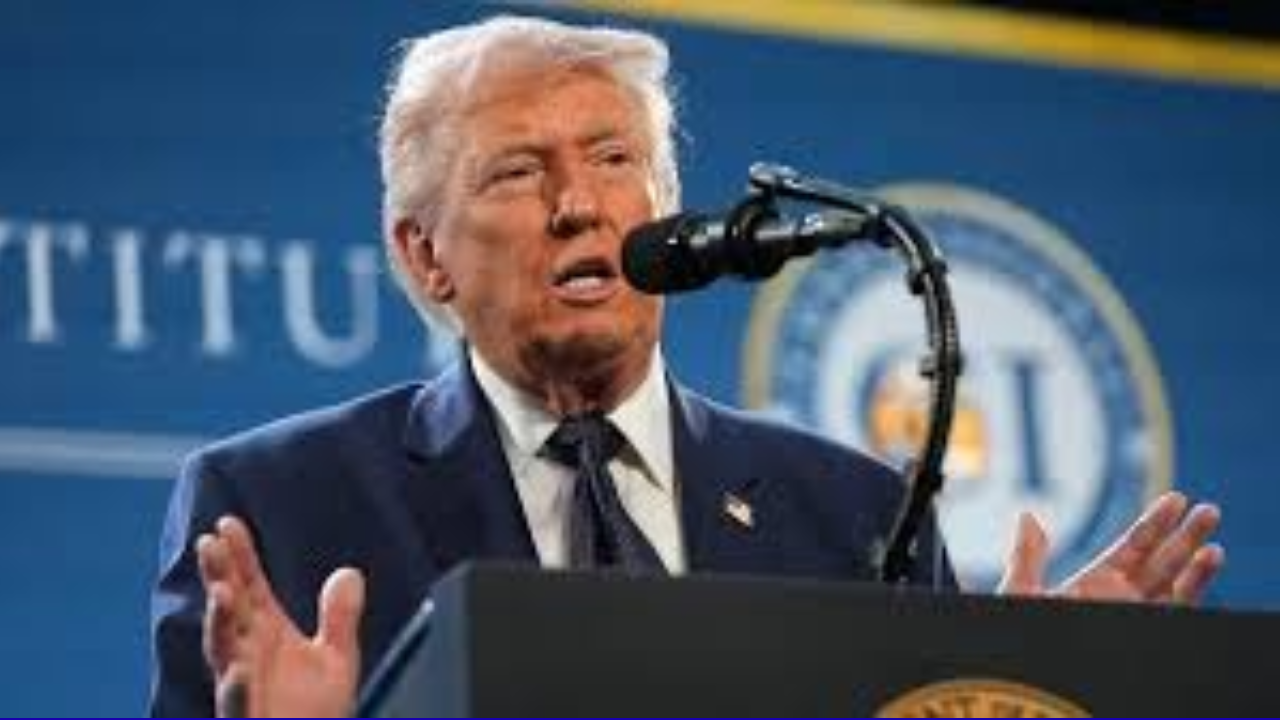
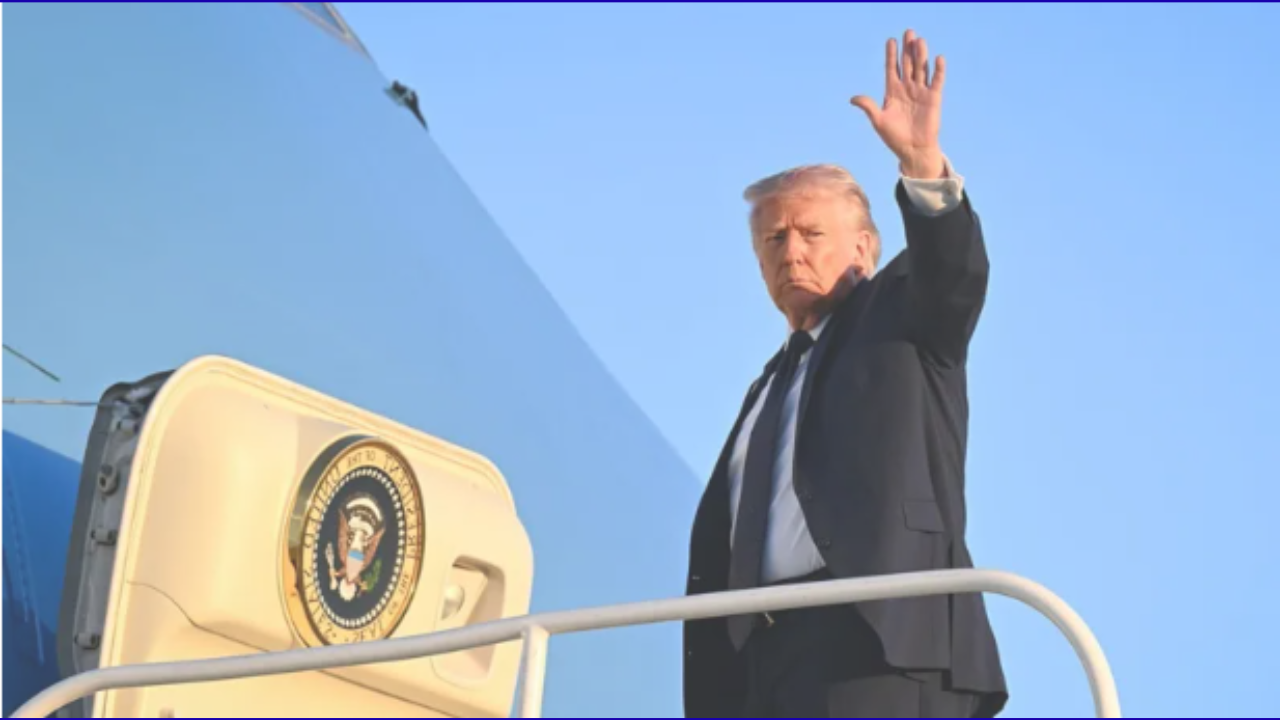
President Donald Trump has announced an extraordinary concession in his landmark deal with Chinese leader Xi Jinping: the US will shave 10% off the tariffs it charges on Chinese goods, in exchange for China’s promise to crack down on fentanyl production and export.
Thank you for reading this post, don't forget to subscribe!On the surface, this move promises relief, potentially restoring trade and offering US consumers lower prices, as the reduction will bring the average tariff rate down to about 47%. Chinese imports, previously labeled as outcasts by the high tariffs, gain a more normalized status in the US market.
However, this tariff reduction is a significant gamble loaded with red flags.
The Red Flags and China’s Advantage
The core concern, according to critics, is that Trump’s strategy has often left him bested in the trade war. History suggests that China frequently fails to uphold its end of the bargain, raising doubts about the long-term effectiveness of the fentanyl concession.
- Unfinished Business: The deal leaves key US trade war objectives unresolved:
- Rare Earths: While China rolled back its newest restrictions, the initial controls imposed in April appear to remain in place, ensuring China retains leverage over minerals critical for US technology and defense.
- TikTok & AI Chips: The future of TikTok’s US assets remains uncertain, and a major Trump goal—opening the Chinese market to American AI chips—has not been achieved.
- Alienating Allies: By reducing tariffs on its main economic adversary, the US risks further eroding its relationship with key allies like Mexico and Canada. Both countries, despite their own efforts to curb fentanyl, have been threatened with higher US tariffs, a move that could significantly anger America’s two biggest trading partners.
Why the Deal Happened
Despite the risks and China’s track record, the deal was made for two main reasons:
- Fentanyl Progress: China has taken some verifiable action, such as controlling more precursor chemicals. Recent US Customs and Border Protection data shows a decline in fentanyl purity and a drop in seizures at the border, suggesting China’s efforts may be making an impact.
- China’s Leverage: The tariffs have backfired in numerous ways, notably by angering US farmers and creating a shortage of rare-earth minerals. Reducing tariffs was a key Chinese demand, offering Trump a way to unstick stalled negotiations and address domestic political pressure.
In the end, Trump is betting this time will be different. The tariff cut will be welcomed by inflation-wary consumers, but the US is wagering a significant piece of its trade leverage on China’s sincerity to solve a deadly crisis.












Comments are closed.