Trump’s ‘Big, Beautiful Bill’ Signed into Law: New Taxes on Remittances and University Endowments Take Effect
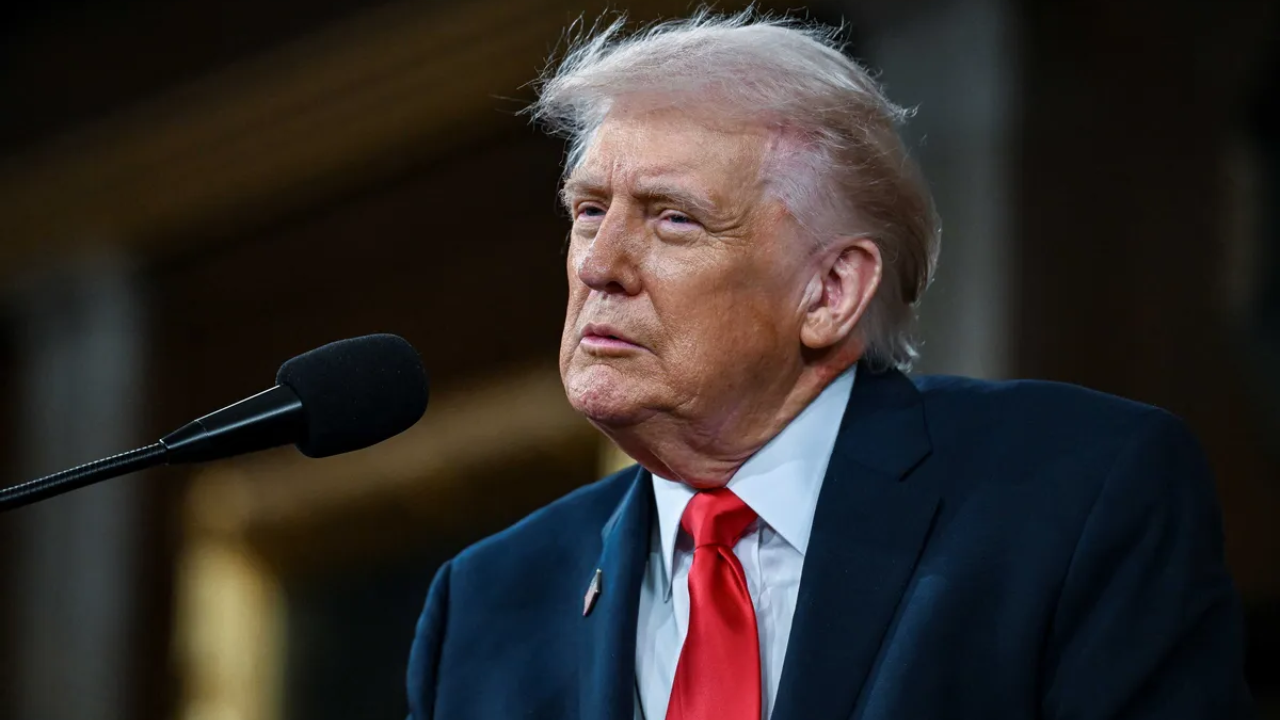
Thank you for reading this post, don't forget to subscribe!Washington D.C. – US President Donald Trump signed the ‘Big, Beautiful Bill’ into law on July 4, 2025, marking a significant legislative achievement that introduces a 1% tax on remittances and expands the excise tax on university endowments, alongside other sweeping changes to the nation’s tax, immigration, and social welfare policies.
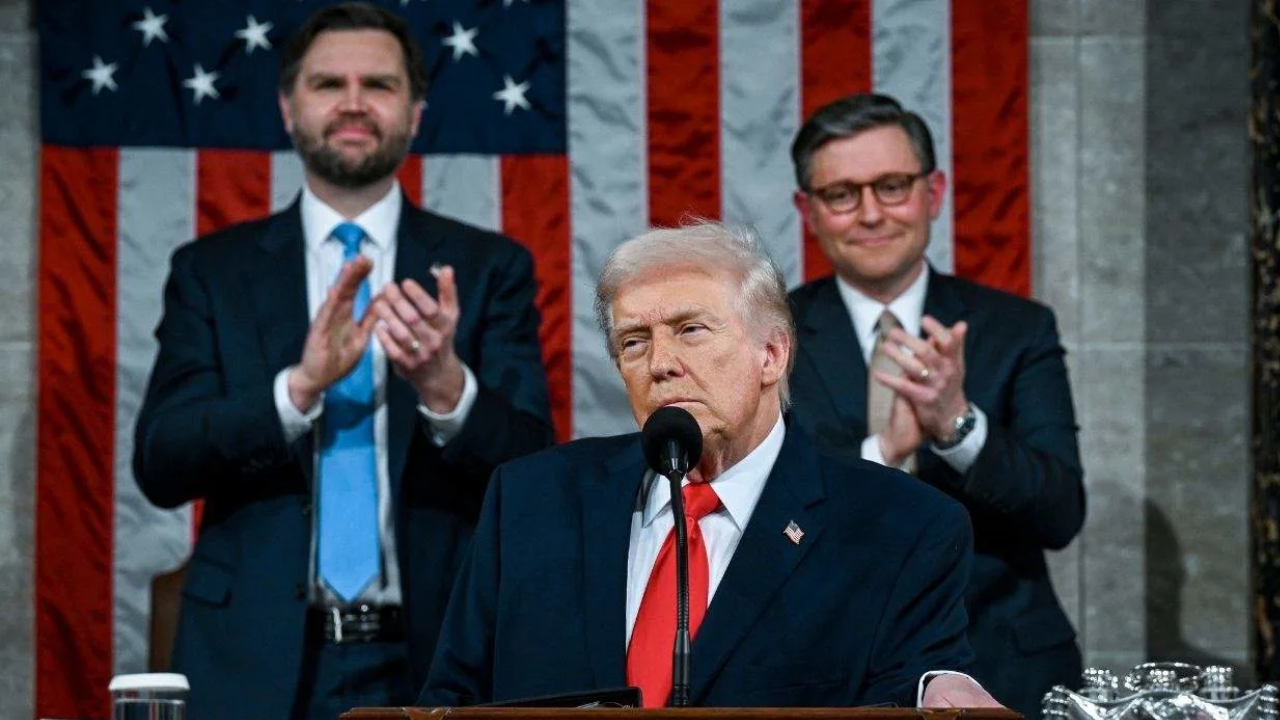
The comprehensive bill, which passed the Senate on July 1st with Vice President JD Vance’s tie-breaking vote and narrowly cleared the House on July 3rd, is set to reshape various aspects of American life.1
1% Remittance Tax: A New Cost for Cross-Border Transfers
Effective January 1, 2026, individuals sending money from the United States to other countries will face a new 1% tax on certain transfers.2 This marks the first time the US has implemented a national remittance tax.
Key details of the remittance tax:
- Application: The 1% levy will apply specifically to transfers made using cash, money orders, cashier’s checks, or similar physical instruments.3
- Exemptions: Crucially, transfers made directly from bank accounts or funded through US-issued debit or credit cards are generally exempt.4 This aims to mitigate the impact on common digital transfer methods.
- Payer: The sender of the funds is responsible for paying the 1% tax on the transferred amount.
- Purpose: This tax is intended to generate revenue to support other legislative priorities, particularly increased funding for border security and immigration enforcement.
The move is expected to primarily impact millions of immigrant households and families that rely on cross-border financial support, although the final 1% rate is significantly lower than initial proposals of up to 5%. For communities like Non-Resident Indians (NRIs), who send substantial remittances, this adds a new, albeit small, cost to their financial support for families abroad.
Expanded University Endowment Tax: Wealthier Institutions Face Higher Levies
The ‘Big, Beautiful Bill’ also significantly broadens the excise tax on university endowments, targeting institutions with the largest financial reserves.5 This aims to pressure wealthy universities to utilize their funds more directly, although critics argue it could harm financial aid and research.
Key changes to the endowment tax:
- Tiered System: The flat 1.4% excise tax on investment income, previously introduced by the 2017 Tax Cuts and Jobs Act, has been replaced with a tiered system based on “student adjusted endowment” (investment assets per student).6
- New Rates:
- Endowments between $500,000 and $750,000 per student will continue to be taxed at 1.4%.
- Those with $750,000 to $2 million per student will face a 4% tax.
- Universities holding more than $2 million per student in endowment assets, such as Harvard, Princeton, and Yale, will now be subject to an 8% tax on their investment income.7
- Smaller School Exemption: An exemption was added during Senate negotiations, benefiting colleges with fewer than 3,000 students, regardless of their endowment size.8
Education leaders have voiced concerns that this expanded tax could lead to increased college costs and potentially reduce funding available for financial aid programs, scholarships, and research initiatives. Opponents argue that the tax is more about targeting elite universities than generating significant federal revenue.
Beyond Taxes: A Wide-Ranging Legislative Package
These tax measures are part of a broader legislative package that includes:
- Tax Cuts: Approximately $4.5 trillion in tax cuts, making many of Trump’s 2017 tax cuts permanent, increasing the child tax credit, and introducing new deductions for tipped workers and overtime pay.9
- Defense & Border Funding: Increased allocations for defense spending and border enforcement, including significant funds for border wall construction, immigrant detention facilities, and additional ICE officers.10
- Social Program Reforms: Tighter work requirements for recipients of Medicaid and food aid (SNAP).11
- Student Loan Changes: Modifications to student loan programs, including new caps on graduate borrowing and the termination of Grad PLUS loans.12
- Debt Ceiling: A $5 trillion increase in the national debt ceiling.13
- Environmental Rollbacks: The rollback of certain green program funds and tax credits from the Inflation Reduction Act.
The passage of the ‘Big, Beautiful Bill’ represents a significant policy shift under the Trump administration, with profound implications for individuals, educational institutions, and various sectors of the US economy.