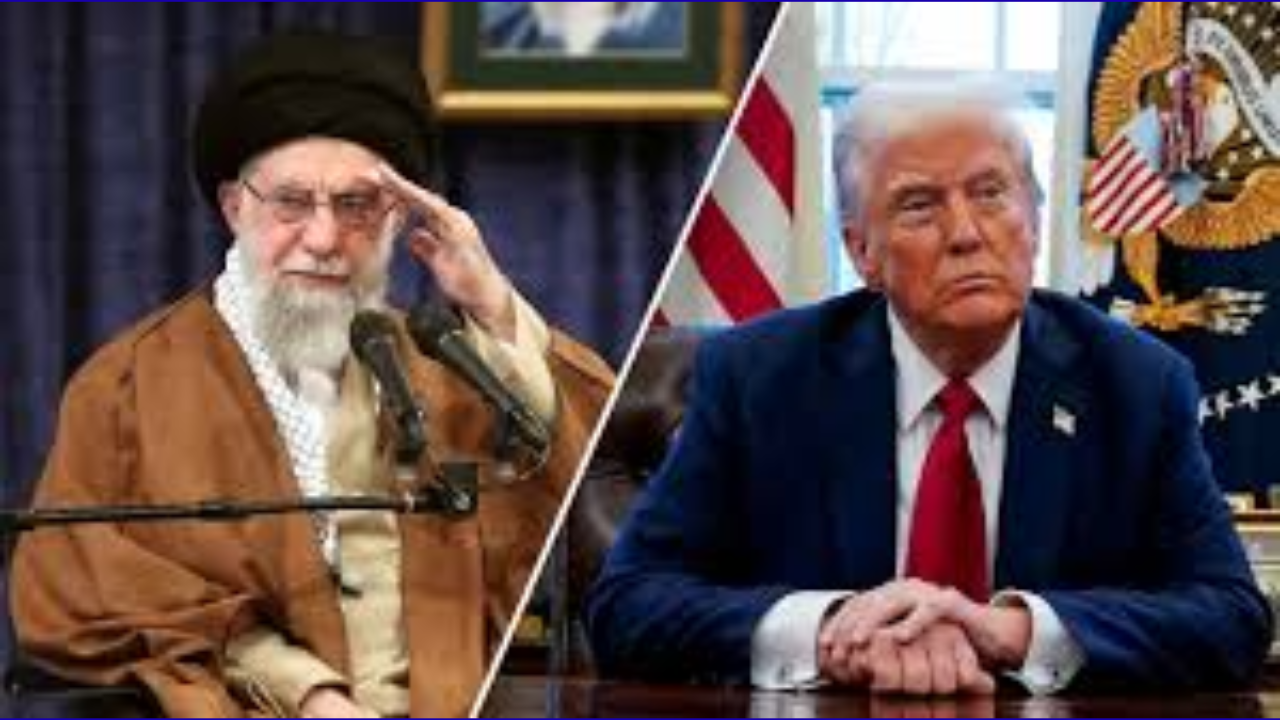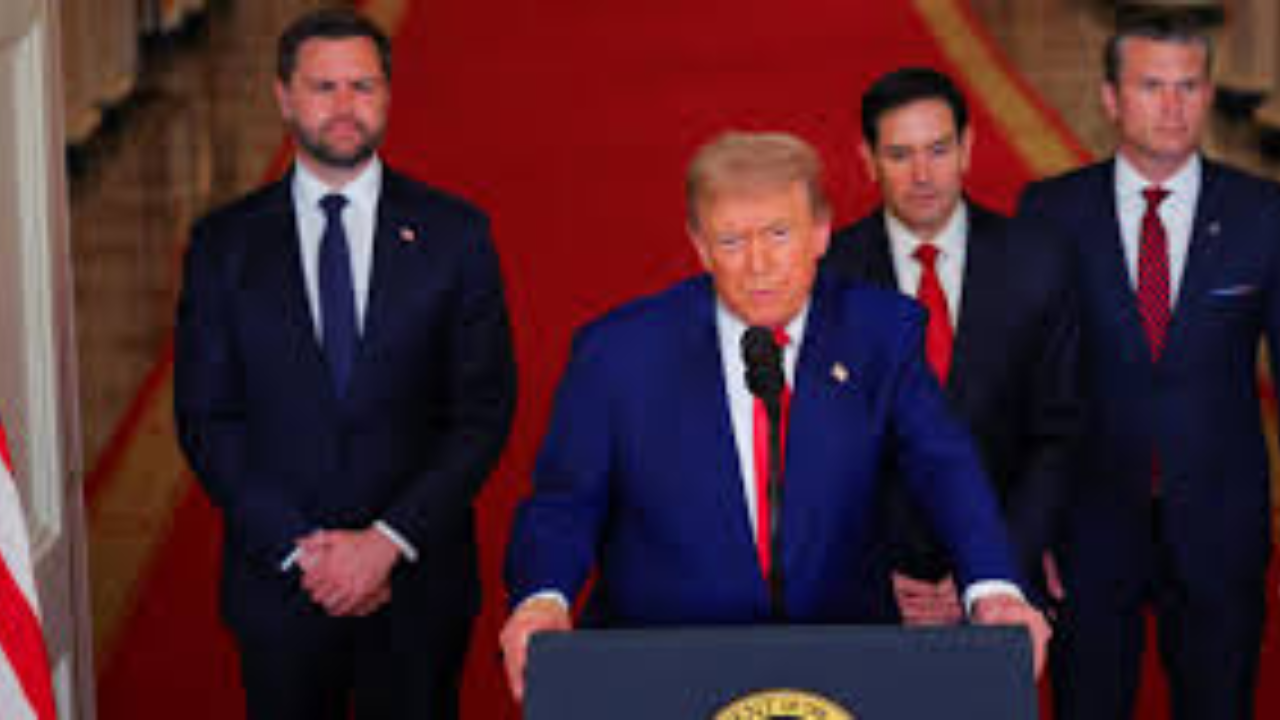
WASHINGTON — President Donald Trump has been presented with high-stakes military options that include targeted “decapitation” strikes against Iran’s Supreme Leader Ali Khamenei and his son Mojtaba Khamenei. The proposal, reported by Axios and Reuters, marks a significant escalation in the administration’s “maximum pressure” campaign as a 10-to-15-day deadline for a new nuclear deal nears its end.
Thank you for reading this post, don't forget to subscribe!The “Decapitation” Strategy
Following a brutal crackdown on domestic protesters in Iran earlier this year, U.S. advisors have reportedly suggested that the clerical regime is at its most vulnerable point in decades. The military scenarios currently under review include:
- Targeting the Succession: Strikes aimed at Ali Khamenei and his son, Mojtaba, who is widely viewed as his father’s hand-picked successor.
- Inspiring Regime Change: The goal of these “surgical” strikes on high-ranking mullahs and IRGC commanders would be to break the regime’s command structure and embolden internal opposition.
- Infrastructure “Decimation”: Beyond leadership, the Pentagon has outlined plans for a weeks-long campaign to finish the job started in June 2025, targeting remaining nuclear enrichment sites and ballistic missile arrays.
The 15-Day Ultimatum
On February 19, President Trump signaled that the window for diplomacy is closing. Speaking from Air Force One, he told reporters that Iran has roughly 10 to 15 days to agree to a “meaningful” deal.
“We’re either going to get a deal, or it’s going to be unfortunate for them,” Trump stated. “I would think that would be enough time—10, 15 days, pretty much maximum.”
A “Massive Armada” in Position
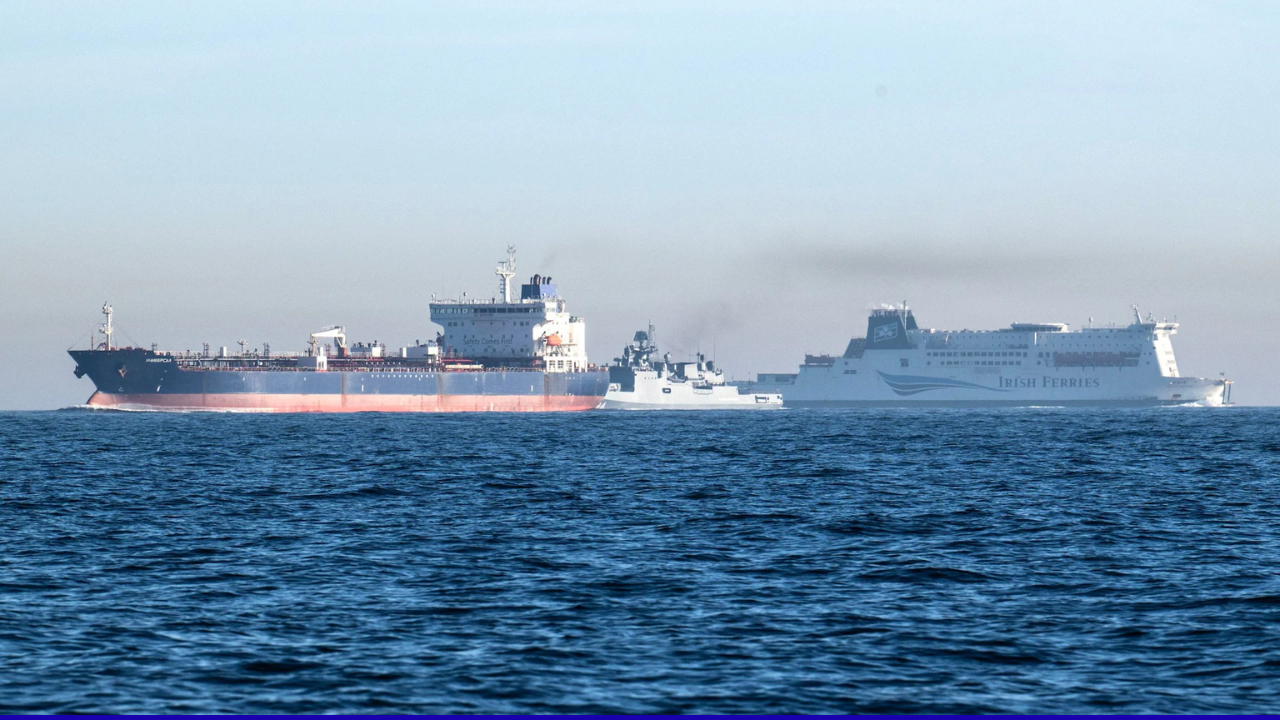
The military threat is backed by what is described as the largest U.S. naval buildup in the region since 2003.
- Carrier Groups: The USS Abraham Lincoln is already on station, with the USS Gerald R. Ford currently transiting to join it.
- Regional Deterrence: Advanced THAAD and Patriot missile defense systems have been rushed to allied nations to protect against expected Iranian retaliation.