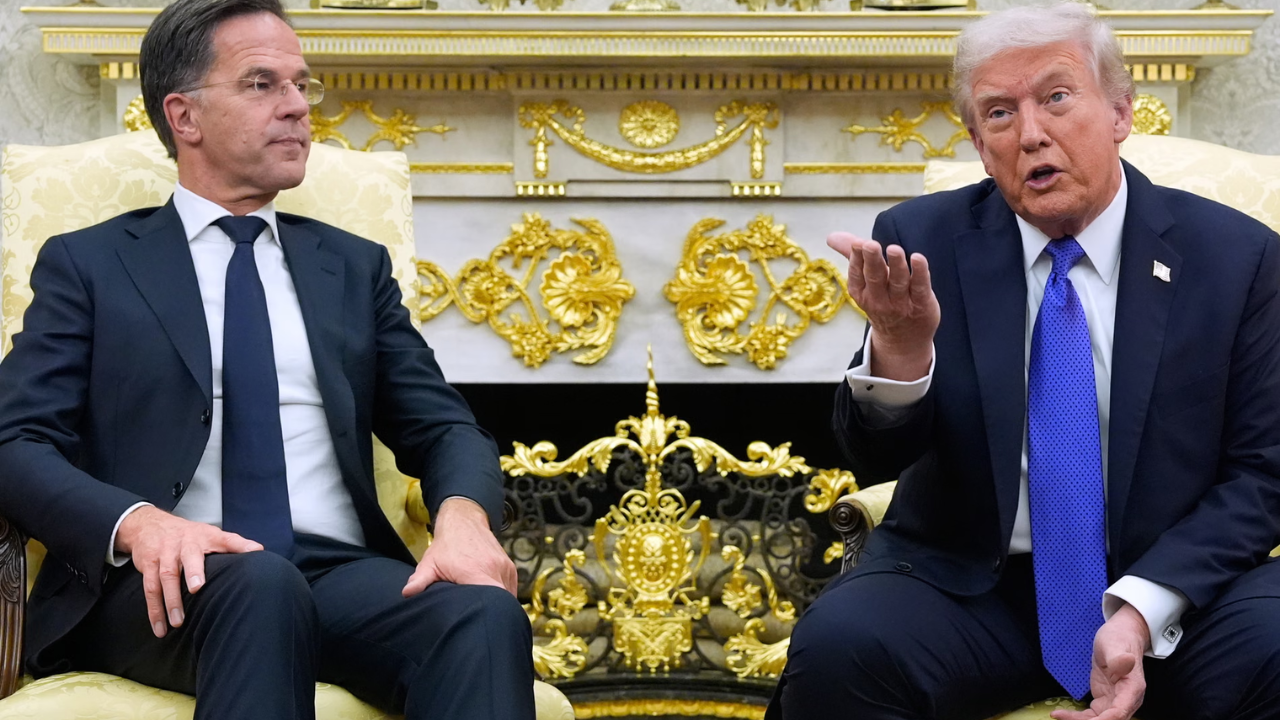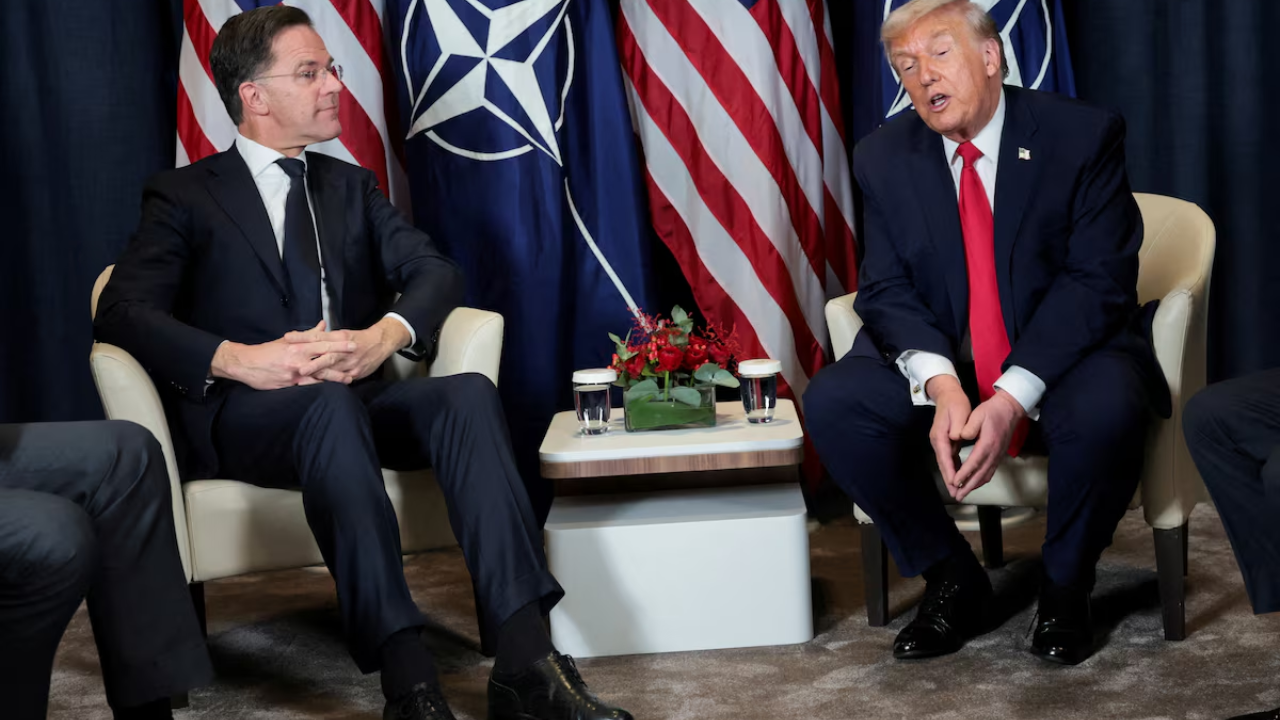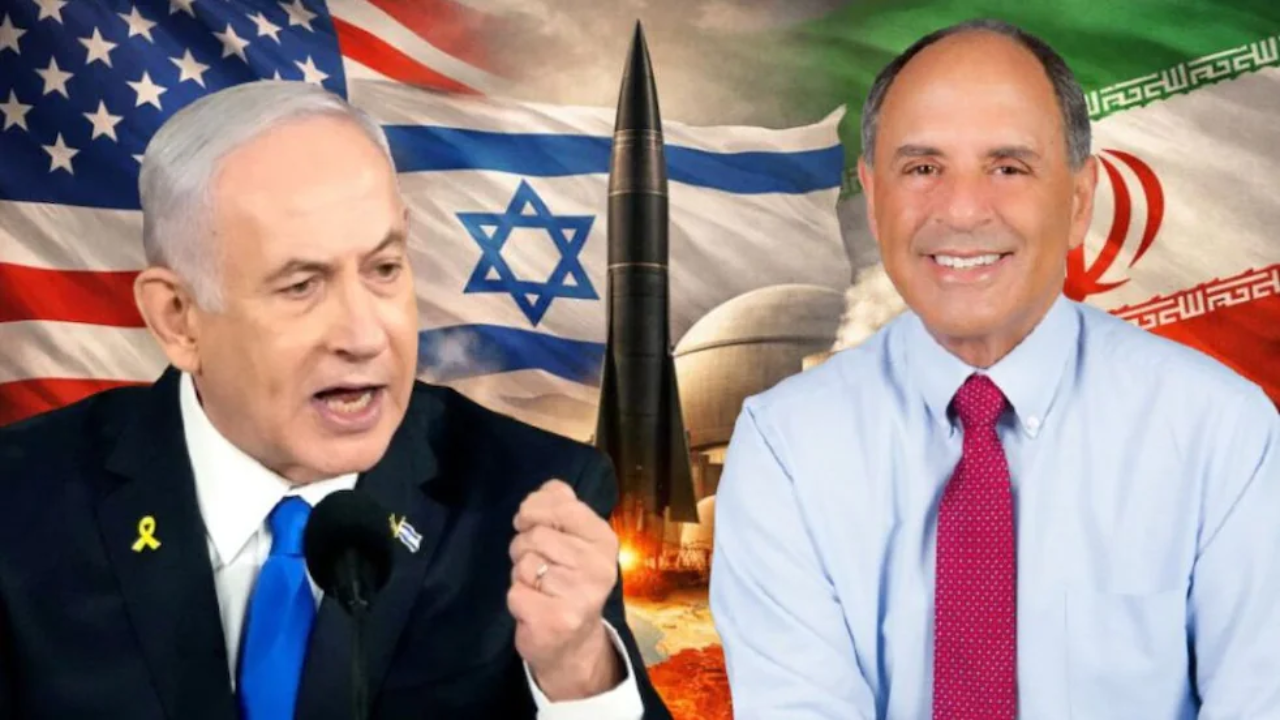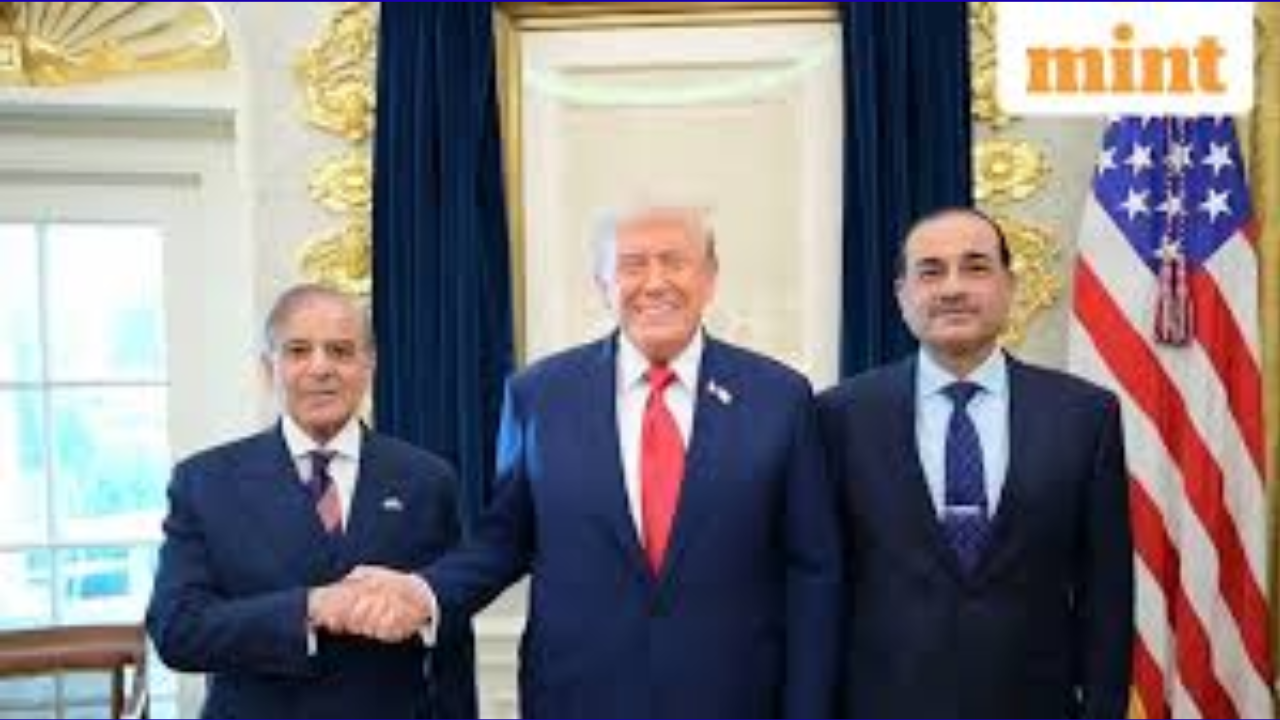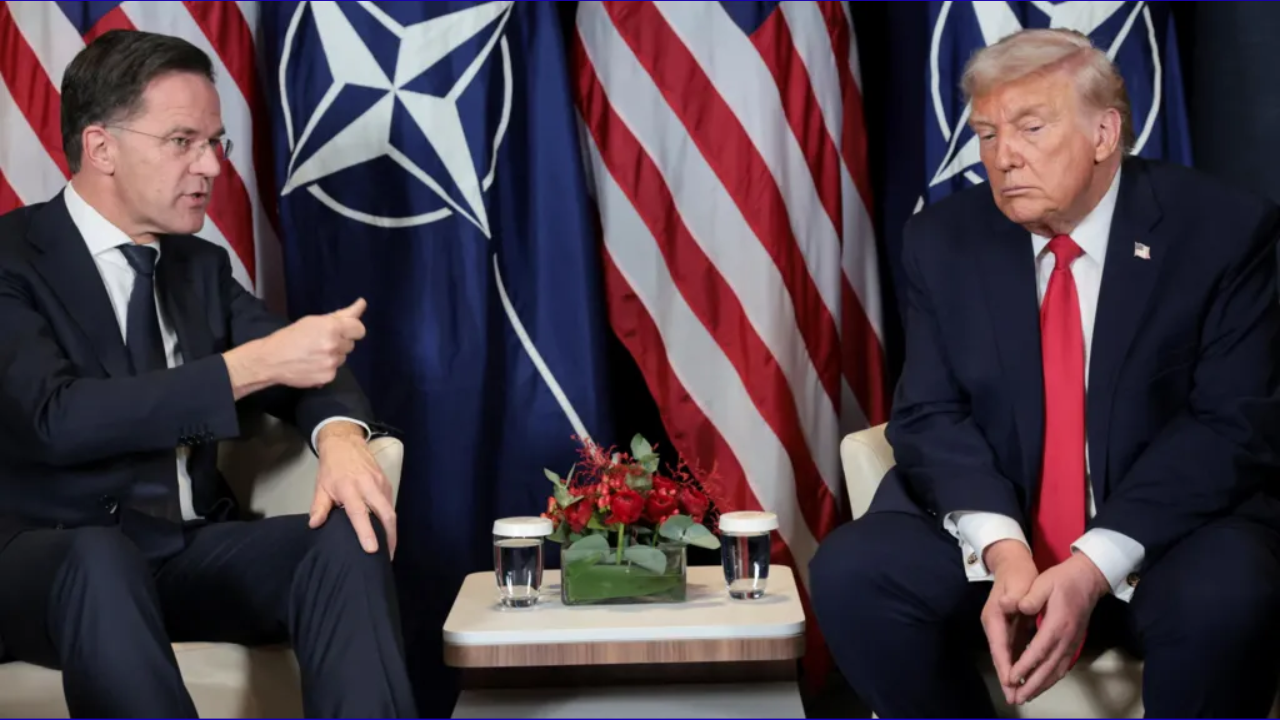
The future of the 32-nation NATO alliance hangs in the balance following a “very frank” two-hour confrontation between President Donald Trump and Secretary General Mark Rutte. The meeting, held Wednesday at the White House, failed to bridge a growing chasm caused by the U.S. war in Iran and a lingering dispute over Greenland.
Thank you for reading this post, don't forget to subscribe!The “Epic Fury” Fallout
In a scathing post on Truth Social, Trump wrote:
“NATO WASN’T THERE WHEN WE NEEDED THEM, AND THEY WON’T BE THERE IF WE NEED THEM AGAIN.”
Rutte’s “Nuanced” Defense
- Logistical Support: Rutte argued that most European nations were helpful with basing, logistics, and overflights.
- Strategic Praise: In an apparent attempt to soothe the President, Rutte credited Trump’s “leadership” for successfully degrading Iran’s nuclear threats.
- Legal Standing: Rutte noted that most NATO members do not view the war as illegal, despite their initial hesitation to join the combat.
Key Friction Points
| Issue | Trump’s Perspective | NATO/Legal Context |
| Iran Support | Claims NATO abandoned the U.S. during a critical energy crisis. | Rutte claims majority support via logistics and basing. |
| Greenland | Trump called it a “poorly run piece of ice,” renewing his desire to acquire it. | Denmark and EU allies have strongly resisted the U.S. proposal. |
| Withdrawal | Trump has threatened to quit the alliance entirely. | A 2023 law requires a two-thirds Senate majority for the U.S. to exit. |
A Historic Challenge
While the Secretary General remains optimistic that his “warm relationship” with the President can save the partnership, the rhetoric coming from the Oval Office suggests otherwise. The combination of the Iranian conflict and the diplomatic spat over Greenland has created what experts are calling the greatest existential threat to NATO since its founding.
Whether the alliance can survive this “frank” new era of American foreign policy remains to be seen.