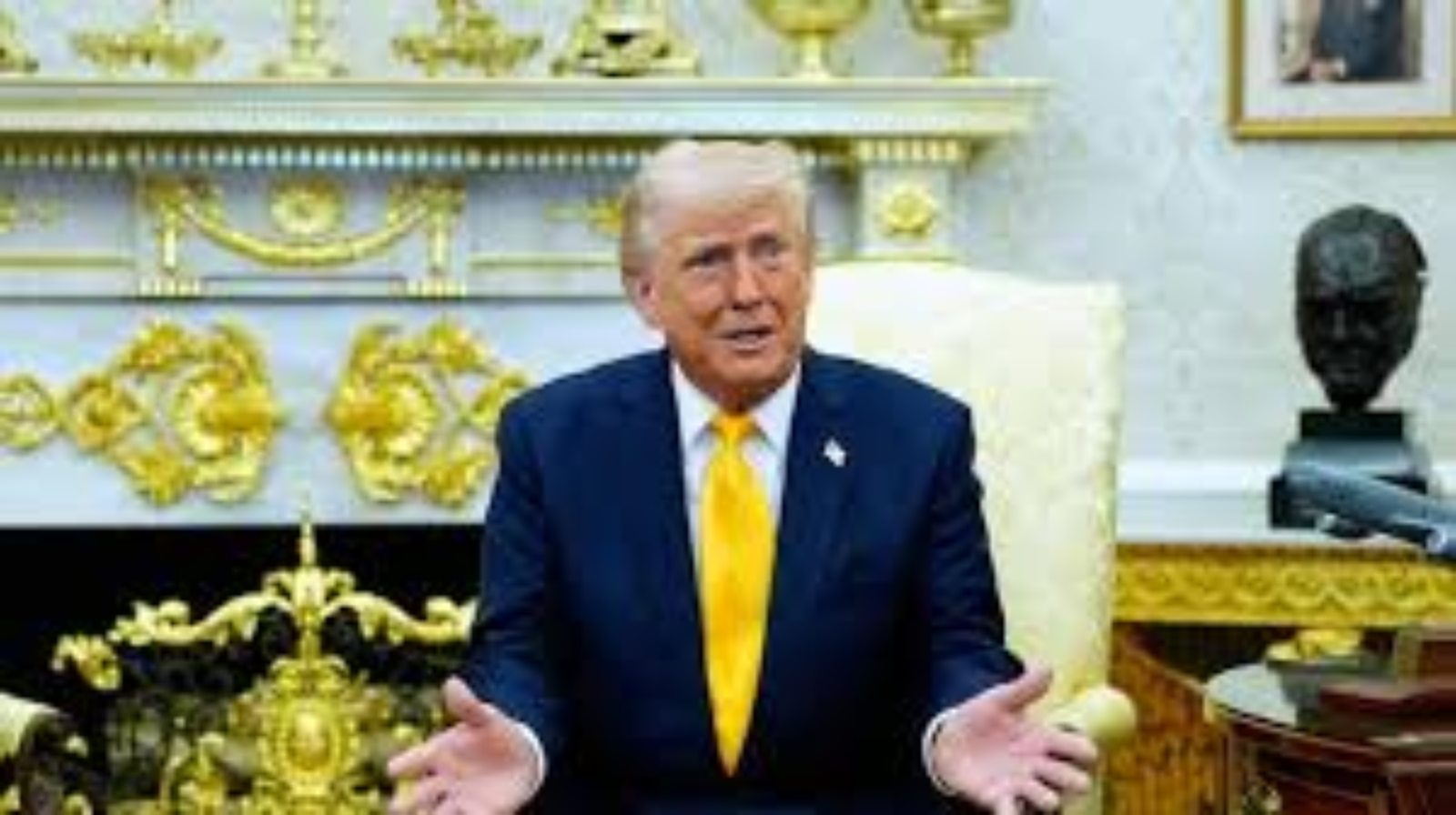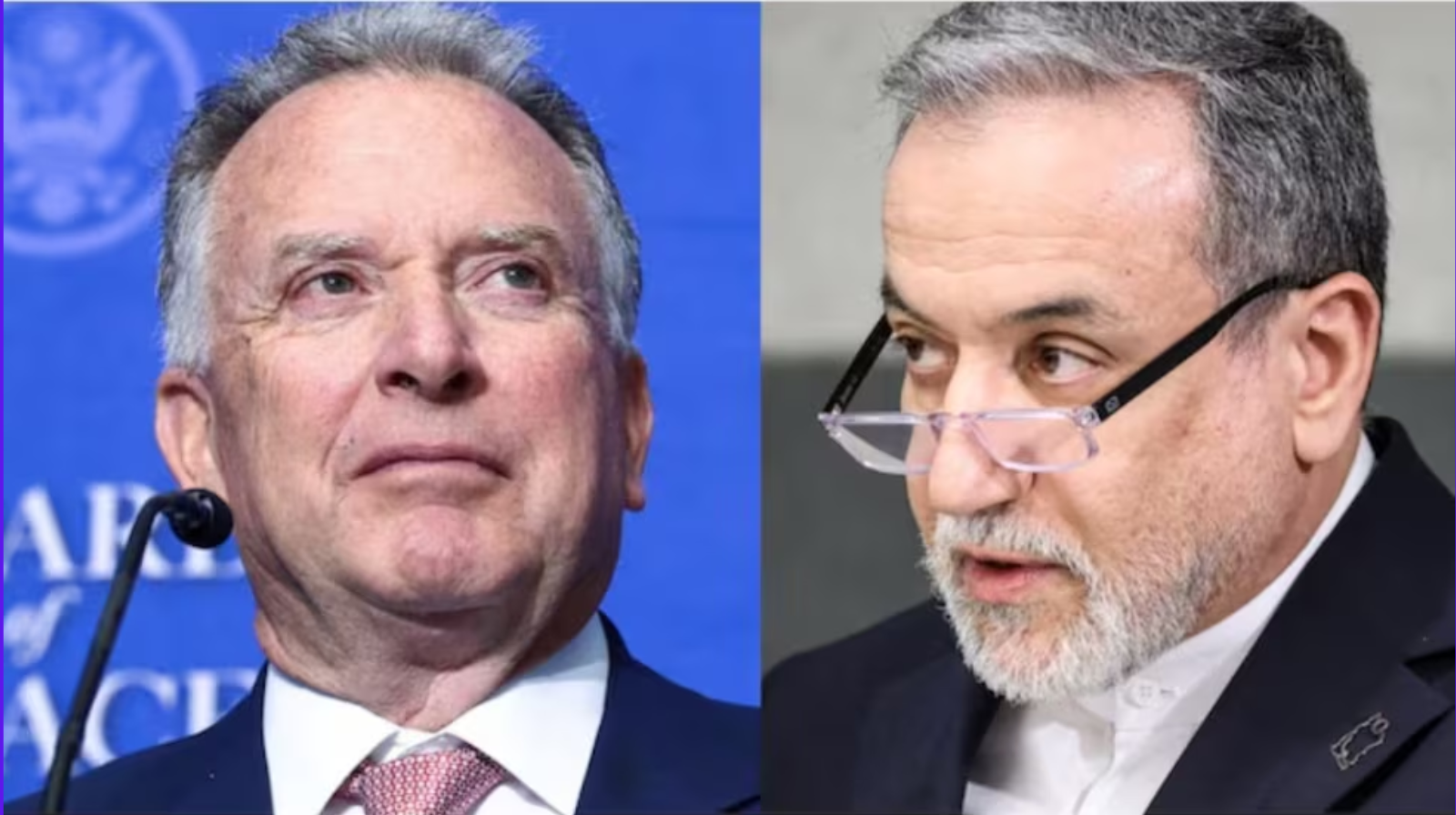
President Donald Trump announced a potential end to the month-long war in Iran on Tuesday, suggesting that U.S. forces could begin leaving the region in as little as two to three weeks. Speaking from the Oval Office, the President signaled a major shift in strategy, prioritizing domestic economic relief—specifically falling energy prices—over a protracted military engagement.
Thank you for reading this post, don't forget to subscribe!Shift in Strategy: Economy Over Diplomacy
The President’s sudden timeline appears to be a direct response to the domestic fallout of the conflict, which began on February 28.
- Energy Prices: Trump linked the withdrawal directly to the pump, claiming that gas prices would “tumble down” once the U.S. exits. This follows a surge in national averages to $4.00 per gallon.
- No “Grand Bargain” Needed: In a departure from previous rhetoric, Trump stated that a formal treaty with Tehran is no longer necessary for a U.S. exit. He maintained that the military campaign has already sufficiently degraded Iran’s nuclear capabilities.
- Strait of Hormuz: Trump signaled an end to the U.S. role as the region’s primary maritime “policeman.” He bluntly told European allies that they would need to secure their own oil shipments through the Strait of Hormuz moving forward.
The State of the Conflict
As the war enters its fifth week, the landscape remains complex:
| Aspect | Current Status |
| Military Operations | Intense airstrikes continue against Iranian infrastructure and leadership. |
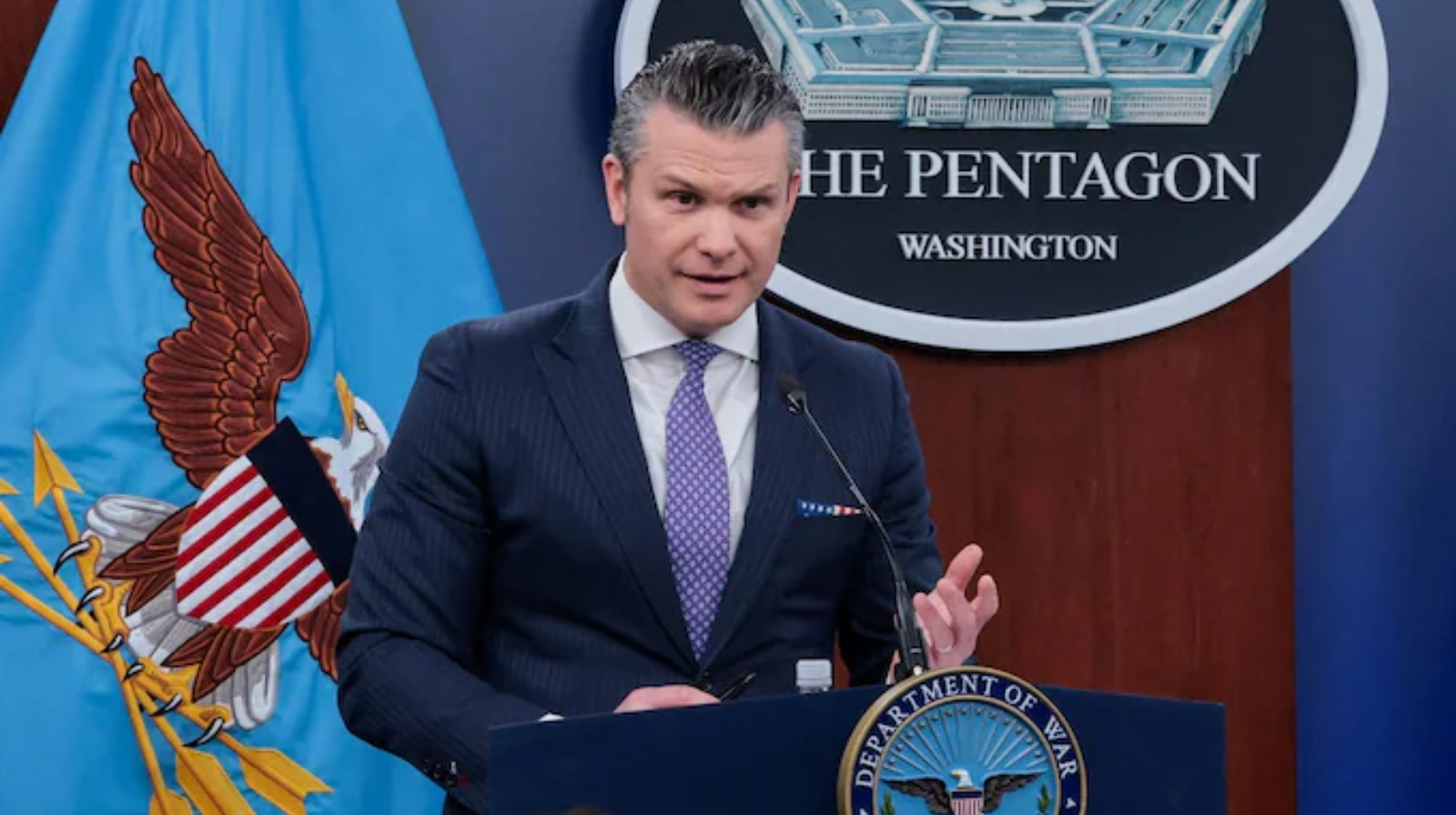
| Economic Cost | The Pentagon recently requested $200 billion in emergency funding. |
| Allied Relations | Significant friction exists with NATO allies who have largely declined to participate in the “decapitation” mission. |
The “Negotiation by Bombs”
The coming weeks will determine if this timeline is a strategic reality or a tactical maneuver to pressure both Tehran and U.S. allies into new concessions.