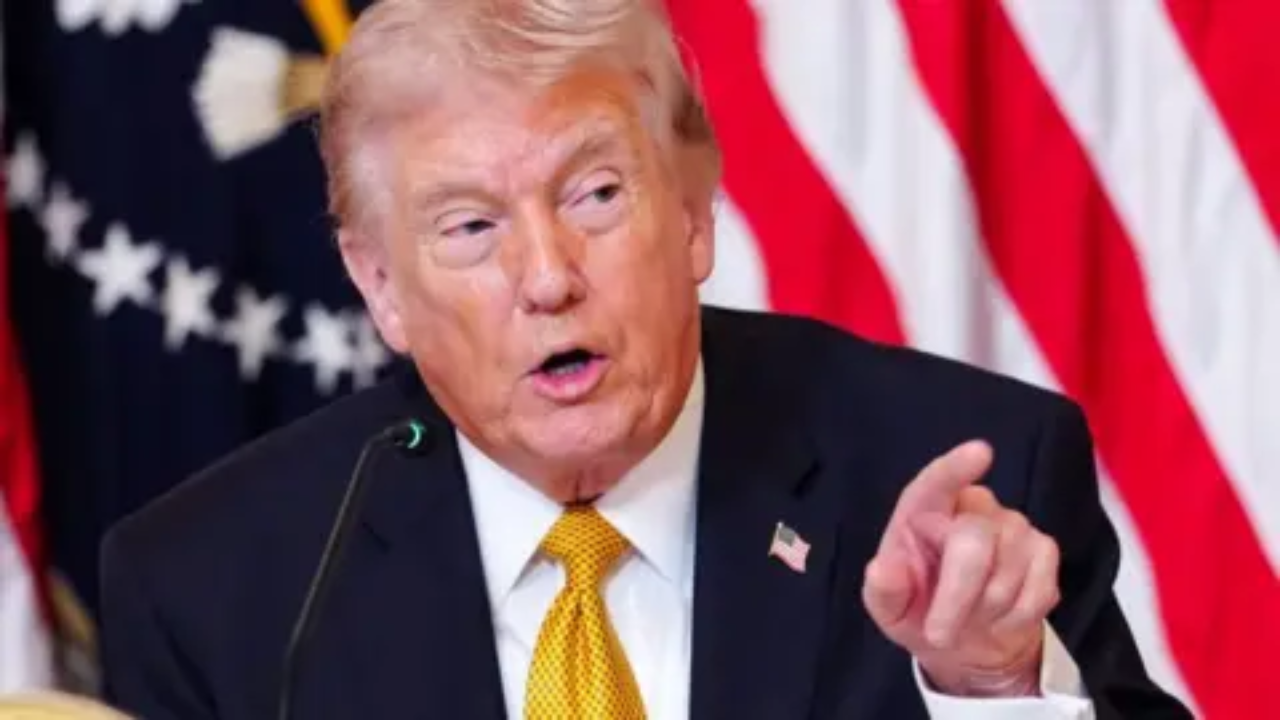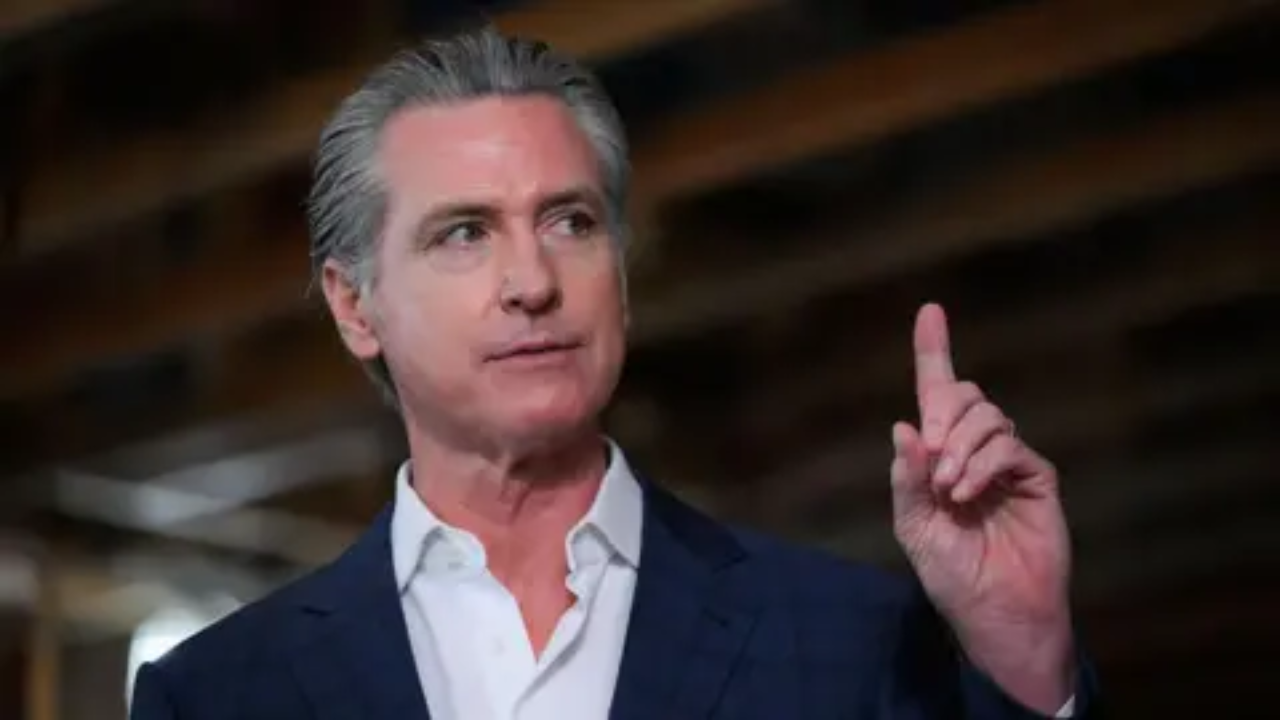
In a series of pointed verbal broadsides in mid-March 2026, President Donald Trump has made California Governor Gavin Newsom’s dyslexia a central point of attack. The President argued that learning disabilities should be a disqualifying factor for the Oval Office, labeling the condition a “cognitive mess.”
Thank you for reading this post, don't forget to subscribe!The exchange began after Newsom’s recent media circuit, where the Governor discussed the “humiliation” of his low SAT scores and his lifelong reliance on memorization over teleprompters.
The Arguments: Cognitive Bar vs. “Superpower”
The clash has centered on whether a learning disability reflects a person’s intelligence or their fitness for high-stakes leadership.
- Trump’s Critique: While acknowledging his comments were “controversial,” Trump characterized Newsom’s processing disorder as a “mental disorder.” He has consistently used Newsom’s academic history to question his mental fitness for a potential 2028 run.
- Newsom’s Rebuttal: Newsom framed his dyslexia as a “blessing” that forced him to outwork his peers. He argued that his inability to rely on scripts has made him a more authentic and prepared communicator.
Quick Comparison: The Two Perspectives
| Feature | Trump’s Stance | Newsom’s Stance |
| Nature of Dyslexia | A “cognitive deficiency” and a weakness. | A “superpower” that builds resilience. |
| Performance | Demands traditional “sharpness” and script-reading. | Values strategic thinking and heavy preparation. |
| Intelligence | Equates academic scores with leadership ability. | Sees processing differences as a separate skill set. |
Expert Analysis
Medical professionals have been quick to weigh in, clarifying that dyslexia is a processing difference, not an indicator of IQ. Advocacy groups have expressed concern that the President’s rhetoric could further the stigma against the roughly 20% of the population that deals with some form of neurodivergence.
The Bottom Line: As the 2028 election cycle begins to simmer, this debate marks a shift from policy disagreements to a deeply personal clash over the definition of “presidential” cognitive health.