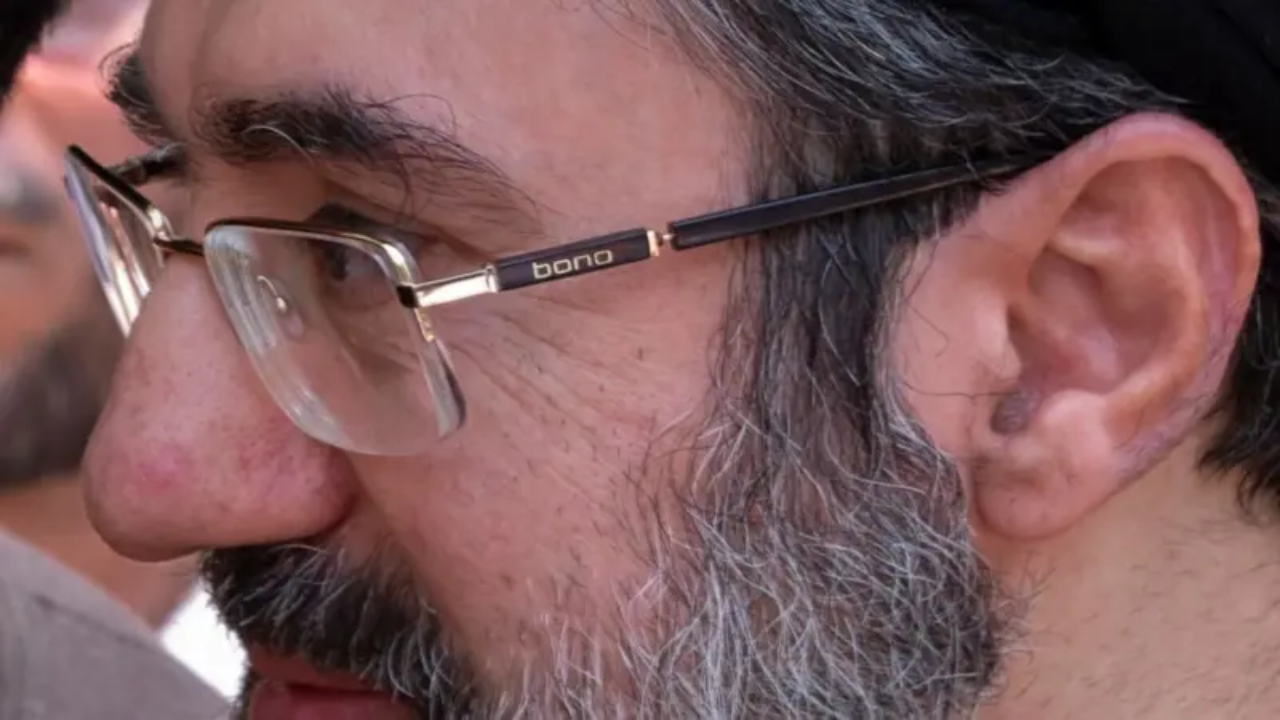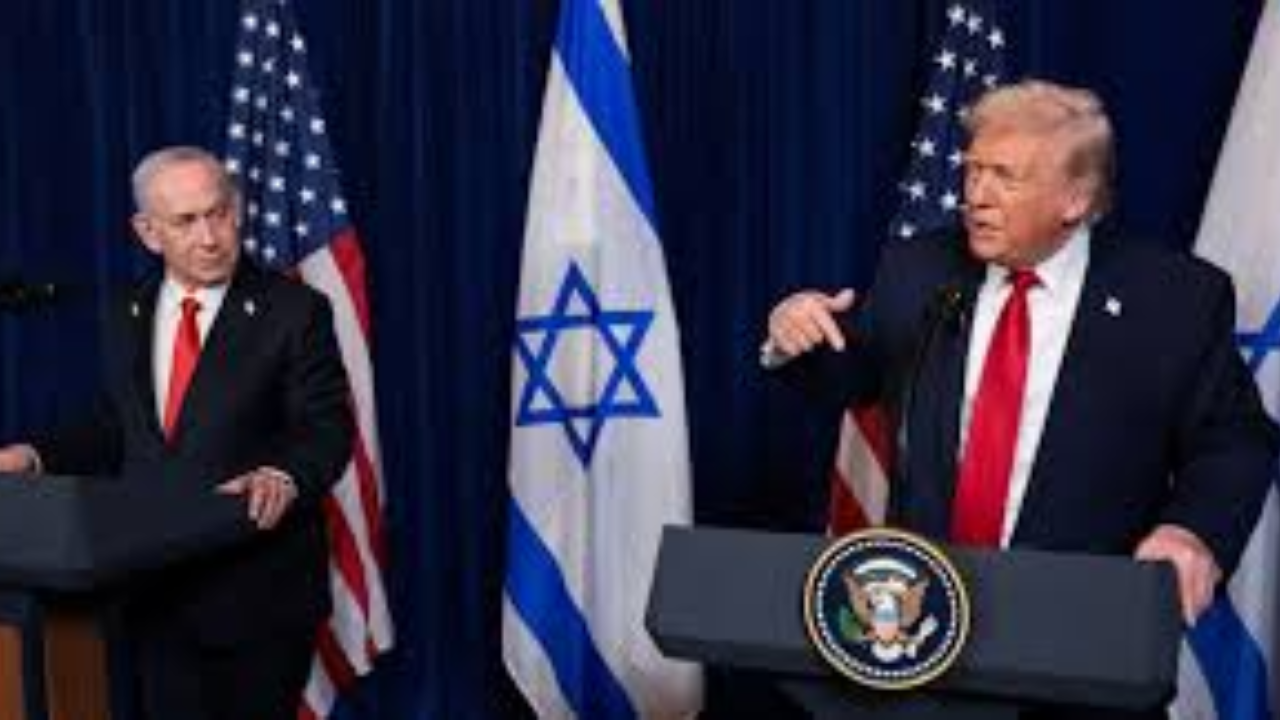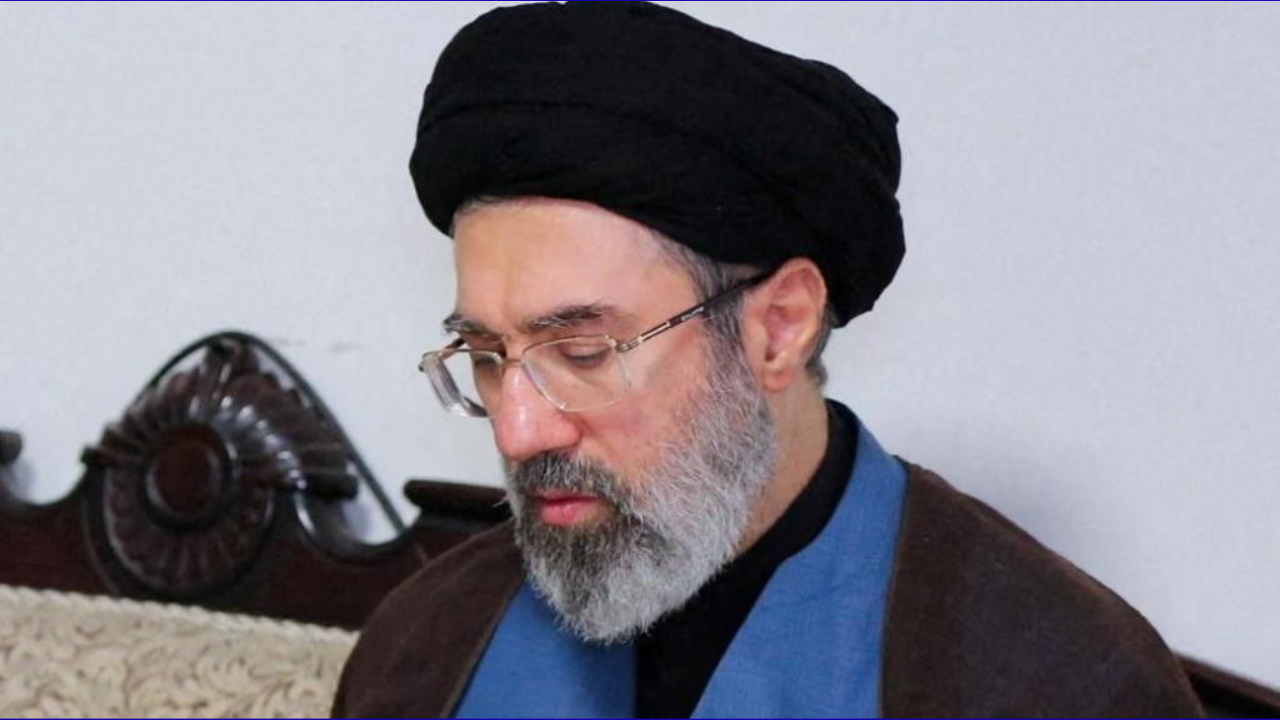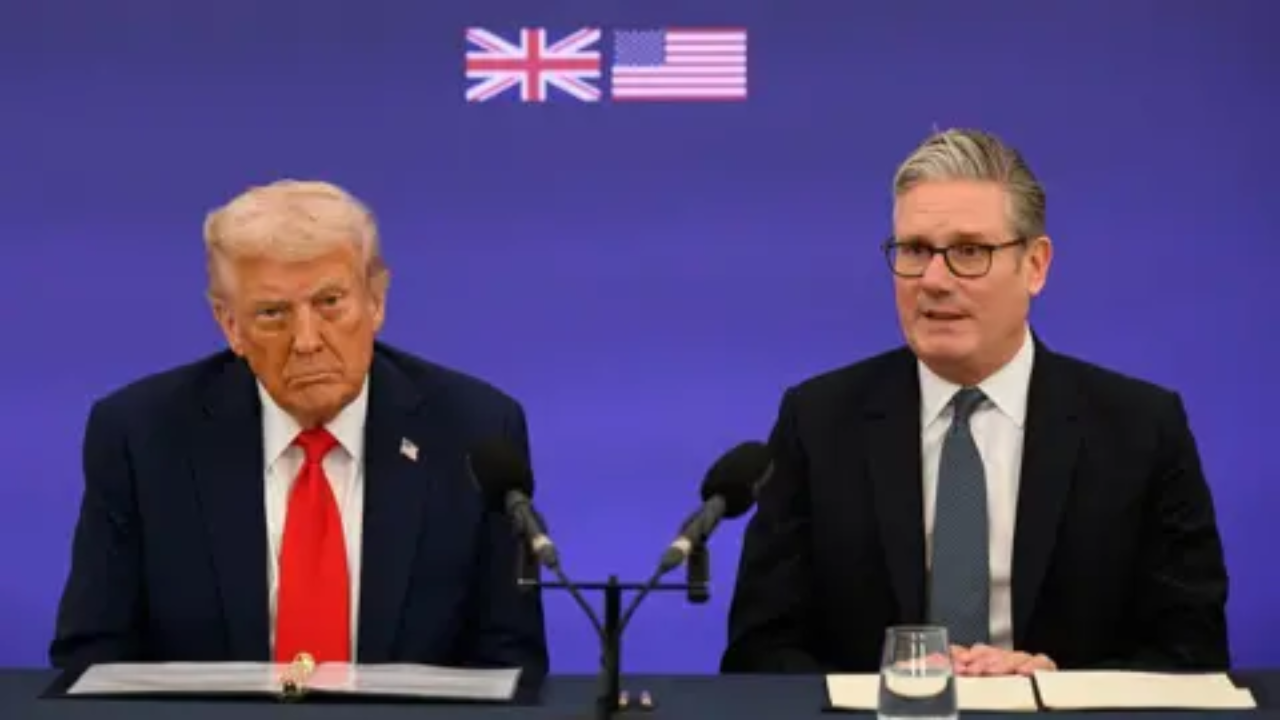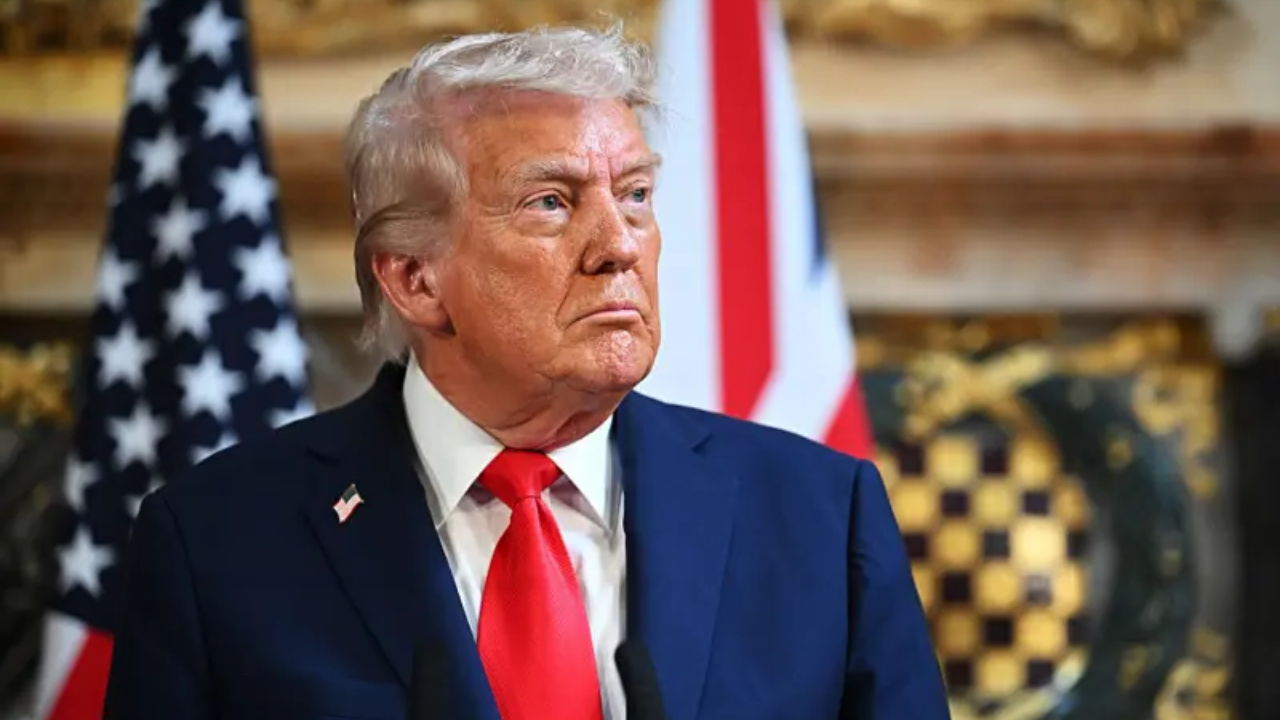
President Trump has come out swinging against the appointment of Mojtaba Khamenei as Iran’s new Supreme Leader. Following the death of Ali Khamenei during the recent military escalations, Trump has made it clear that the U.S. does not recognize this “dynastic” transition.
Thank you for reading this post, don't forget to subscribe!Key Takeaways from Trump’s Recent Statements
- The “Veto” Power: Trump told major news outlets that any Iranian leader needs Washington’s “stamp of approval” to survive politically and economically.
- Personal Jabs: In typical fashion, he has labeled the younger Khamenei as “incompetent” and a “lightweight,” signaling that the U.S. will maintain maximum pressure rather than seek a diplomatic olive branch.
- No Compromise: Trump’s current stance is “Unconditional Surrender,” dismissing any deals that don’t involve a total overhaul of the Iranian leadership structure.
The Situation on the Ground (March 2026)
The backdrop for these comments is Operation Epic Fury, which has significantly shifted the landscape in the Middle East:
| Feature | Current Status |
| Iranian Leadership | Mojtaba Khamenei appointed by the Assembly of Experts (March 8). |
| U.S. Position | Total rejection; demand for a leader who ensures “harmony.” |
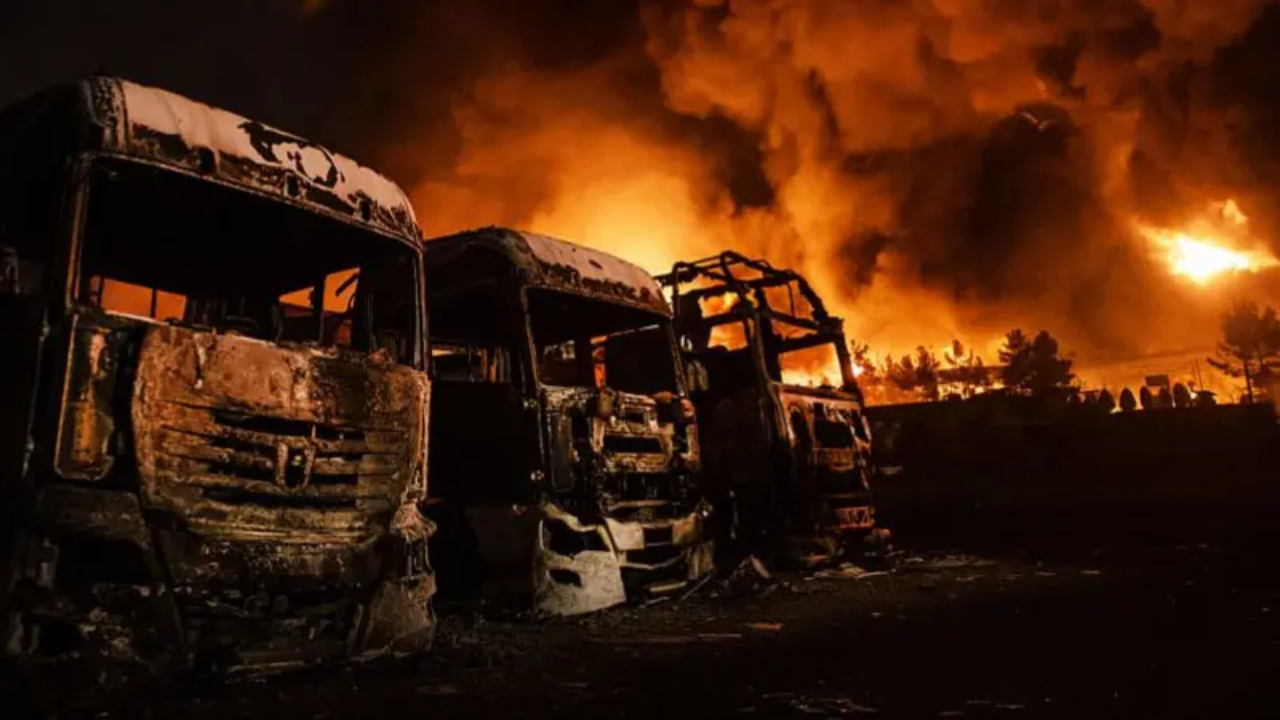
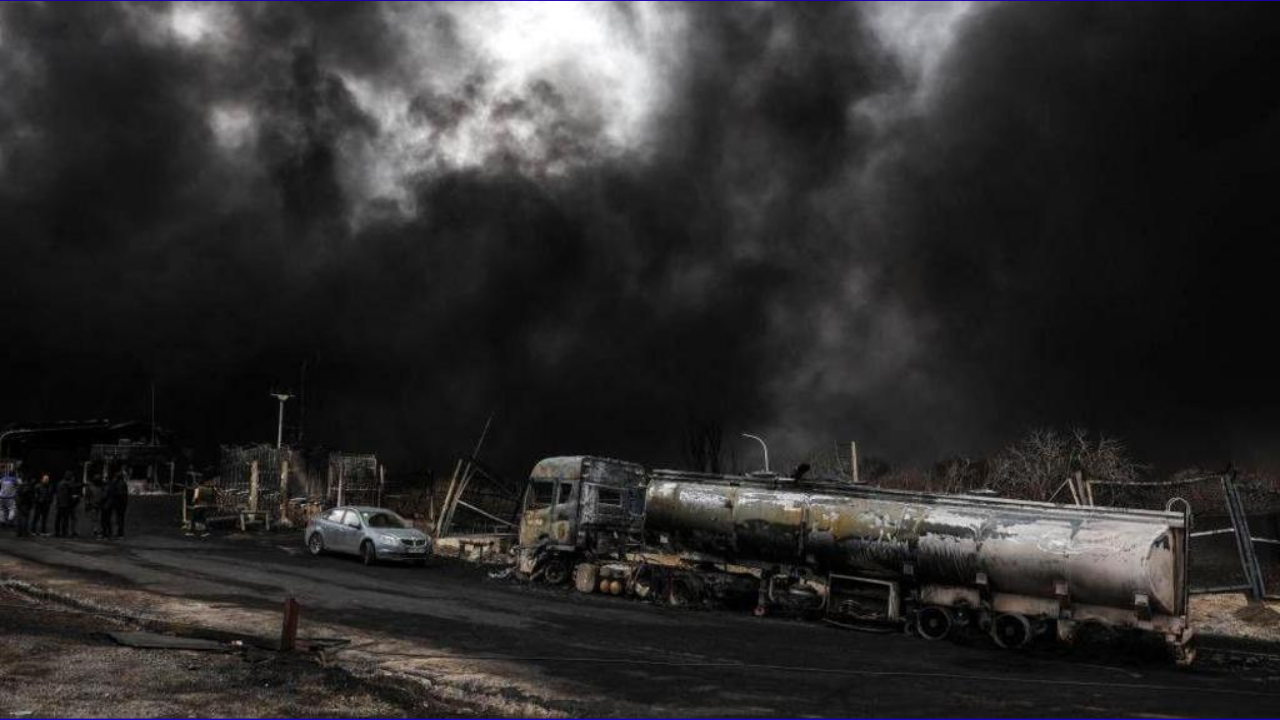
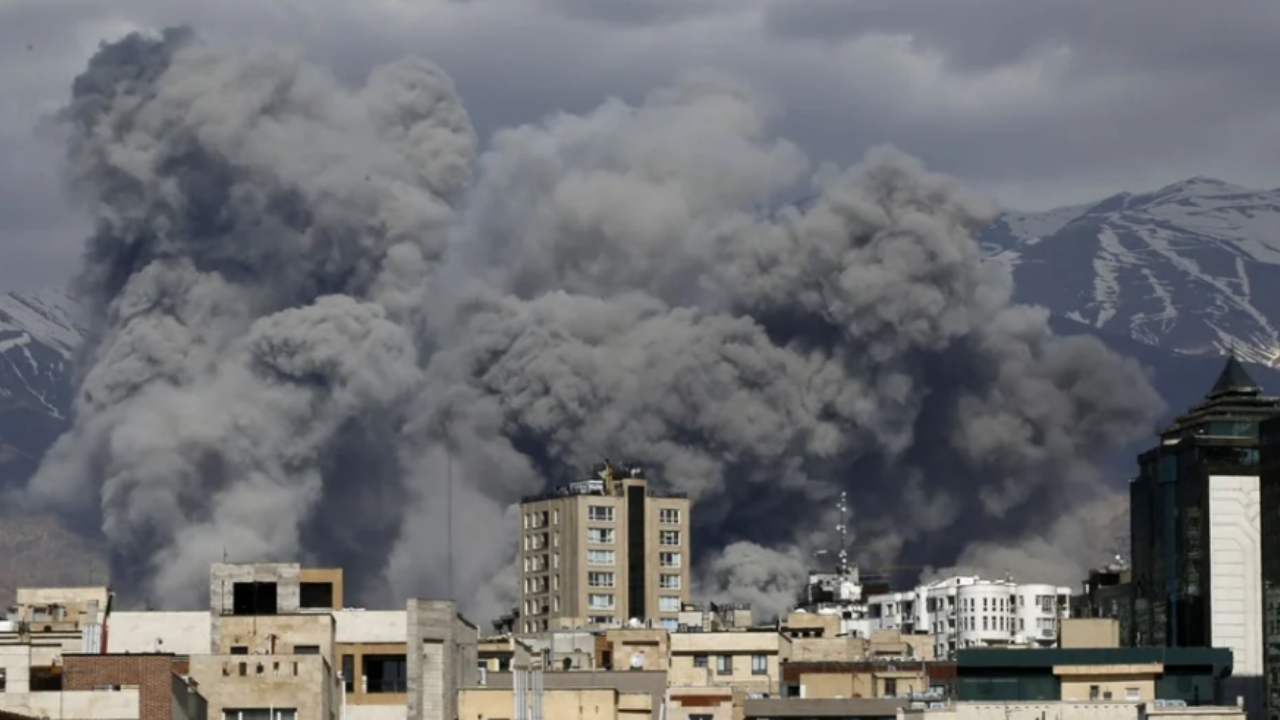
| Military Status | Ongoing strikes against oil infrastructure and military hubs. |
| Diplomacy | Communication channels are effectively closed; indirect talks have collapsed. |
The Iranian Response
Tehran remains defiant. President Masoud Pezeshkian has characterized Trump’s rhetoric as a direct violation of Iranian sovereignty, asserting that the choice of leader belongs solely to the Iranian people.
Note: These events reflect a fast-moving, high-stakes scenario. The rhetoric coming out of the White House suggests that the U.S. is looking for a total regime shift rather than a return to the 2015 nuclear deal framework.