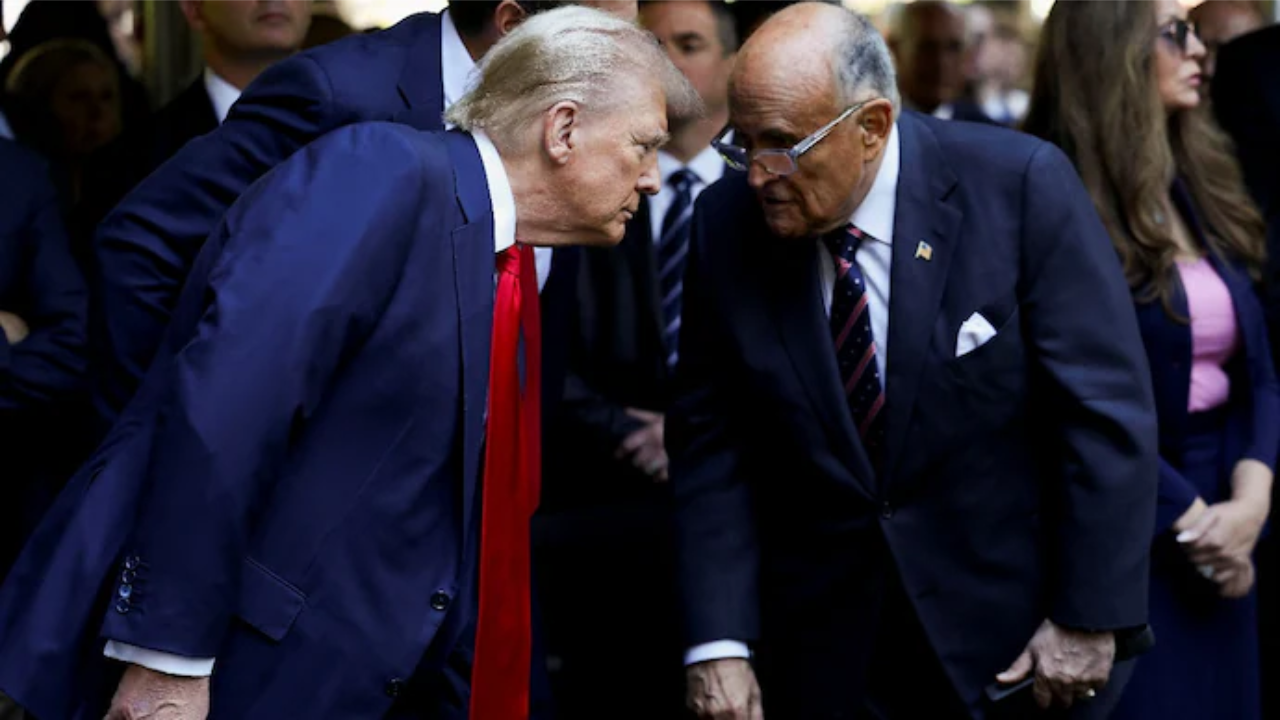
President Donald Trump has granted “full, complete, and unconditional” federal pardons to several close allies for their involvement in efforts to overturn the 2020 election results. The move, announced by Justice Department Pardon Attorney Ed Martin, is largely symbolic as none of the individuals had been charged with federal crimes related to the matter.
Thank you for reading this post, don't forget to subscribe!| Individual | Former Role & Action Pardoned For |
| Rudy Giuliani | Ex-NYC Mayor; led efforts to pressure state legislatures to reject results. |
| Mark Meadows | Former White House Chief of Staff; key intermediary between Trump and state officials. |
| John Eastman | Attorney; accused of devising the plan to pressure VP Mike Pence on Jan. 6. |
| Kenneth Chesebro | Attorney; accused of devising the plan to pressure VP Mike Pence on Jan. 6. |
| Sidney Powell | Attorney; spearheaded a series of baseless legal challenges in swing states. |
| Boris Epshteyn | Longtime Trump adviser. |
Context: This follows Trump’s earlier pardons of some 1,600 individuals who participated in the Capitol riot, including those convicted of assaulting police officers.
Trump Grants Full Pardons to Six Key Allies in 2020 Election Plot
US President Donald Trump has issued “full, complete, and unconditional” pardons to a list of former aides and attorneys for their roles in challenging and attempting to overturn the 2020 presidential election outcome.
- Pardon Recipients: The pardons, posted by Justice Department Pardon Attorney Ed Martin, were granted to six high-profile figures:
- Rudy Giuliani: Former New York City Mayor, recognized for leading pressure campaigns on state legislatures.
- Mark Meadows: Former White House Chief of Staff, who acted as a link between Trump and state officials.
- John Eastman & Kenneth Chesebro: Attorneys accused of developing the legal strategy to pressure Vice President Mike Pence to reject electoral results on January 6, 2021.
- Sidney Powell: Attorney known for leading multiple baseless legal challenges in swing states.
- Boris Epshteyn: Longtime Trump adviser.
- Symbolic Nature: Crucially, none of the named individuals have been charged with federal crimes related to these activities, making the pardons largely a pre-emptive or symbolic grant of clemency.
- Timing: The undated document was posted on Sunday night, leaving the exact approval date by the former President unclear.
- Precedent: This follows an earlier, sweeping clemency grant made by Trump shortly after his inauguration, which covered approximately 1,600 individuals involved in the January 6th Capitol riot, including hundreds accused of assaulting law enforcement.
Executive Clemency Extended to Architects of 2020 Election Challenges
In an exercise of presidential power, US President Donald Trump has granted “full, complete, and unconditional” pardons to a contingent of former aides and attorneys instrumental in the bid to overturn the 2020 election results. This extraordinary action provides federal clemency for potential offenses related to their election-challenging activities.
The recipients of the pardons, as confirmed by Justice Department Pardon Attorney Ed Martin, include former New York City Mayor Rudy Giuliani, former White House Chief of Staff Mark Meadows, and attorneys John Eastman, Kenneth Chesebro, and Sidney Powell, along with long-time adviser Boris Epshteyn.
Key Roles of the Pardoned:
- Giuliani focused on pressuring state legislatures to reject certified victories for Joe Biden.
- Meadows acted as a central intermediary in communications between the President and state officials regarding the election.
- Eastman and Chesebro are noted for allegedly formulating the legal theory intended to compel former Vice President Mike Pence to reject the Electoral College results on January 6, 2021.
- Powell was responsible for filing a series of lawsuits based on unsubstantiated claims of widespread voter fraud.
Significance of the Move:
The clemency is considered largely symbolic given that none of the named former aides have yet faced federal charges for their involvement. By pardoning them pre-emptively, the action serves to remove the threat of future federal prosecution for any past conduct related to the election challenge. This continues a pattern of executive clemency that also saw Trump pardon an estimated 1,600 participants in the Capitol riot within hours of his inauguration.