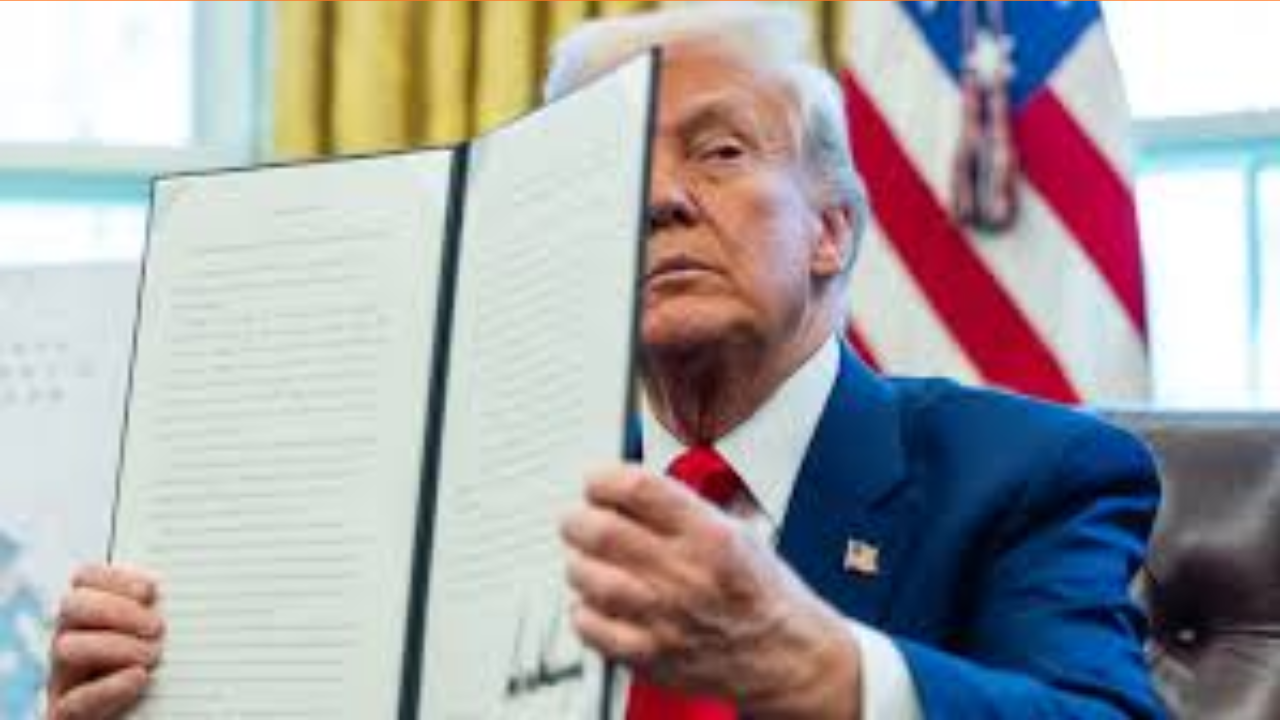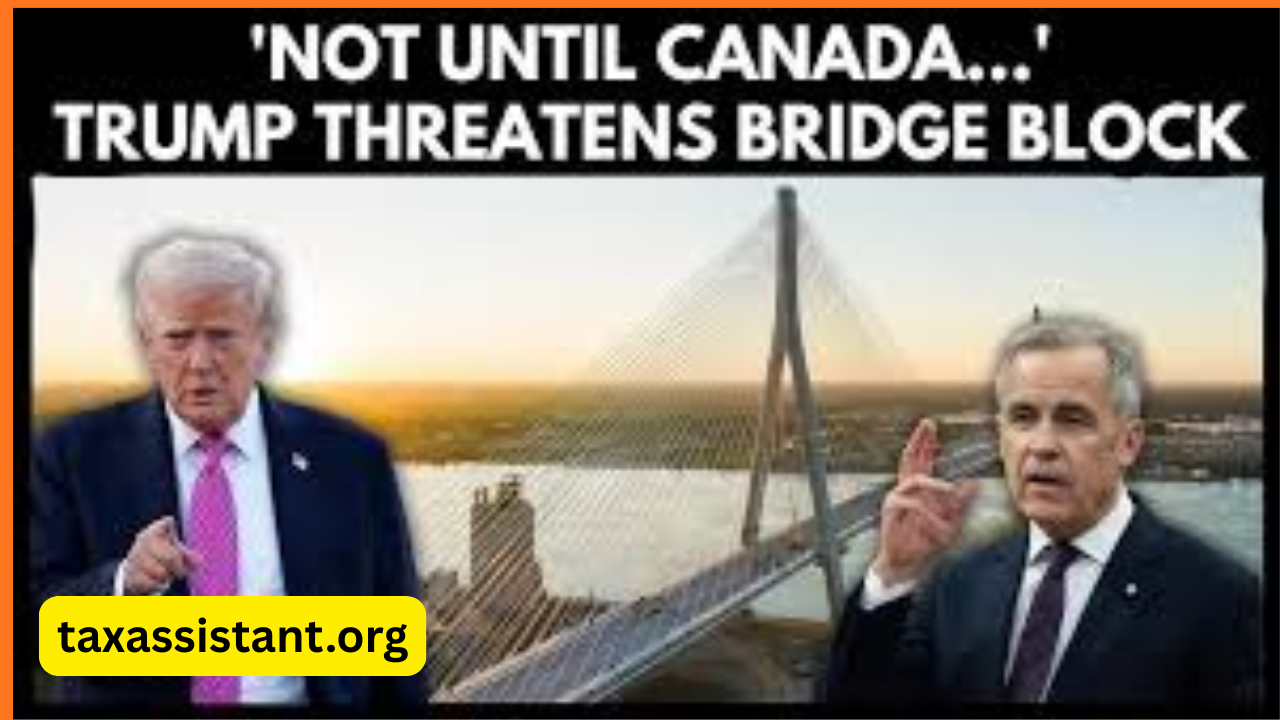
President Donald Trump has ignited a major diplomatic rift by threatening to halt the opening of the Gordie Howe International Bridge, a nearly finished $6.4 billion crossing between Detroit and Windsor. In a social media broadside on February 9, 2026, the President demanded that Canada hand over 50% ownership of the bridge, calling the current deal “one-sided.”
Thank you for reading this post, don't forget to subscribe!The President’s Grievances
Trump’s threats are tied to a broader escalation of trade tensions between Washington and Ottawa:
- Ownership Demands: Trump argues the U.S. should own “at least one half” of the bridge because the “astronomical” revenue it will generate depends on the U.S. market.
- “No U.S. Content” Claim: The President alleged the bridge was built with “virtually no U.S. content,” specifically targeting the use of non-American steel (though local officials dispute this, noting Michigan steel was used on the U.S. side).
- Retaliation for “Boose Bans”: He cited Ontario’s recent decision to pull American liquor from shelves—a move Ontario made in response to earlier Trump tariffs.
- Canada-China Relations: Trump warned Prime Minister Mark Carney against pursuing trade deals with Beijing, stating China would “eat Canada alive.”
The Reality Check
| Issue | Fact |
| Who Paid? | Canada is funding the entire $6.4 billion cost, including the U.S. Port of Entry. |
| Ownership | It is already jointly owned by Canada and the State of Michigan. |
| Steel Sources | A 2012 waiver allows for iron and steel from both the U.S. and Canada. |
| Toll Revenue | Canada is entitled to collect tolls specifically to recoup its investment over 30 years. |
The “Executive” Obstacle
While construction is 98% complete and the bridge has already been declared an official “port of entry” by Homeland Security, the President holds a potential “kill switch.” The Presidential Permit required for international crossings can technically be revoked or modified by executive order, creating a legal gray area that could delay the ribbon-cutting indefinitely.
Local & Economic Fallout
The threat has been met with immediate backlash in Michigan:
- Gov. Gretchen Whitmer insisted the bridge will open “one way or another,” calling it a vital link for the auto industry.
- Sen. Elissa Slotkin labeled the move “economic sabotage,” warning it would punish Michigan workers for a trade war they didn’t start.
- Economic Stakes: The bridge is expected to handle roughly 25% of all truck trade between the two nations, saving the industry an estimated $2.3 billion over the next few decades.