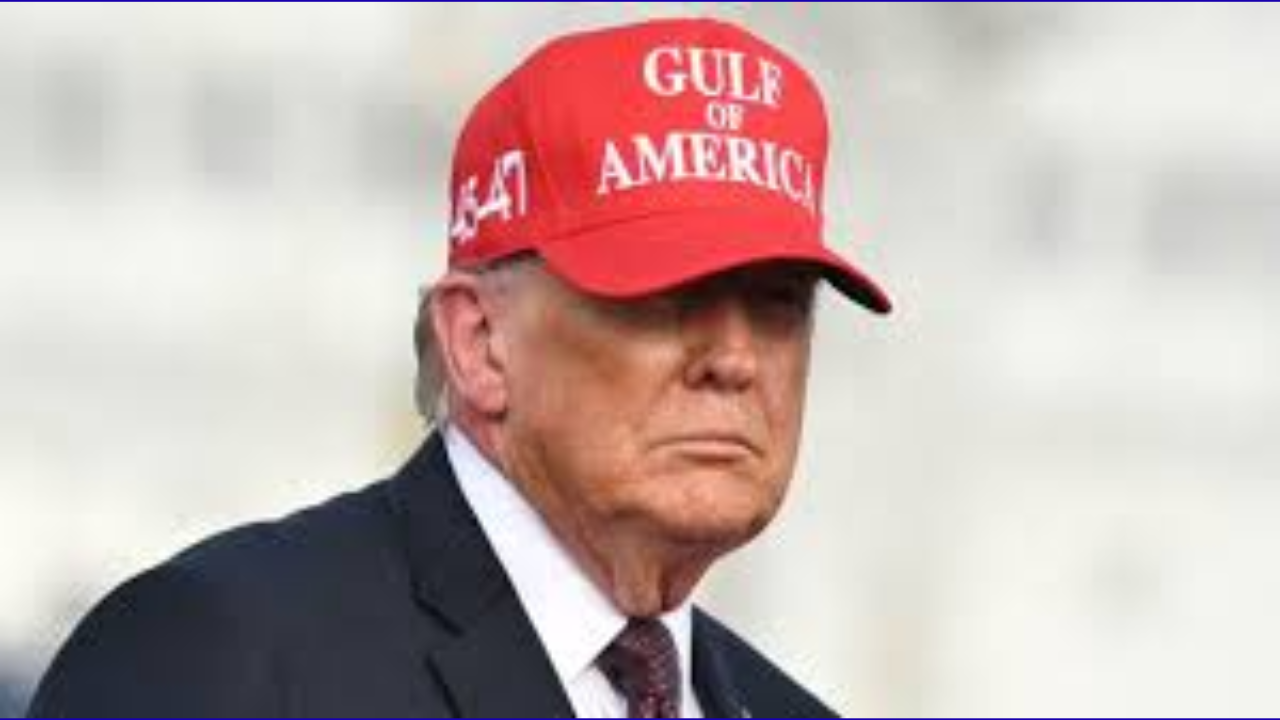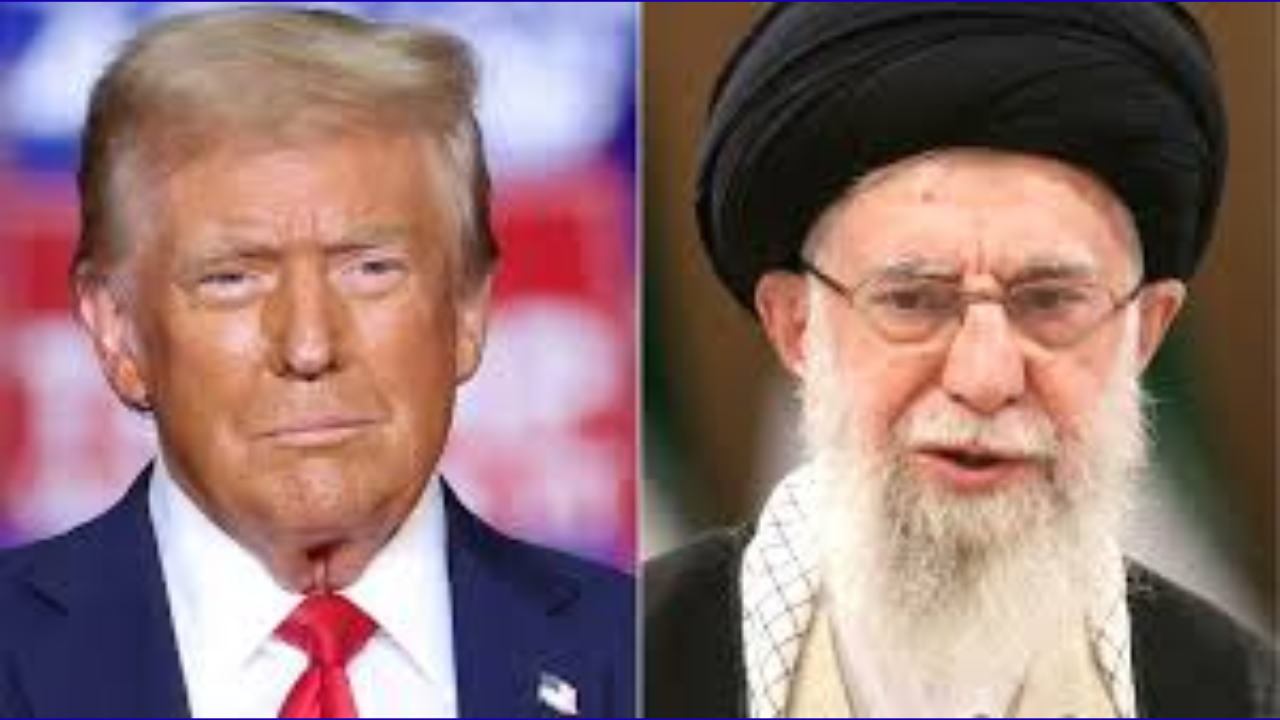
In a series of provocative statements following the death of Ayatollah Ali Khamenei, President Trump has declared that the United States must have a direct seat at the table in selecting Iran’s next Supreme Leader. Citing the success of recent military operations, Trump made it clear that the era of Tehran’s independent clerical succession is over.
Thank you for reading this post, don't forget to subscribe!The “Lightweight” Label
Trump’s most pointed remarks were directed at Mojtaba Khamenei, the son of the late leader and a top contender for the position. Trump didn’t hold back, labeling the younger Khamenei a “lightweight” and warning the Iranian regime that his appointment would be a “total non-starter.”
“They’re wasting their time with him,” Trump told reporters. “We need someone who understands the new reality.”
The New Doctrine: “Appointment over Succession”
Trump is leaning heavily on the “Venezuela Model” as a blueprint for Iran. Drawing parallels to the 2026 transition in Caracas, Trump argued that direct American involvement in leadership appointments is the only way to ensure regional stability.
The Goal: To prevent a “recycling” of old regime policies that could lead to renewed conflict within the decade.
The Vision: Installing a leader capable of “harmony and peace” rather than ideological defiance.
A Regime in Flux
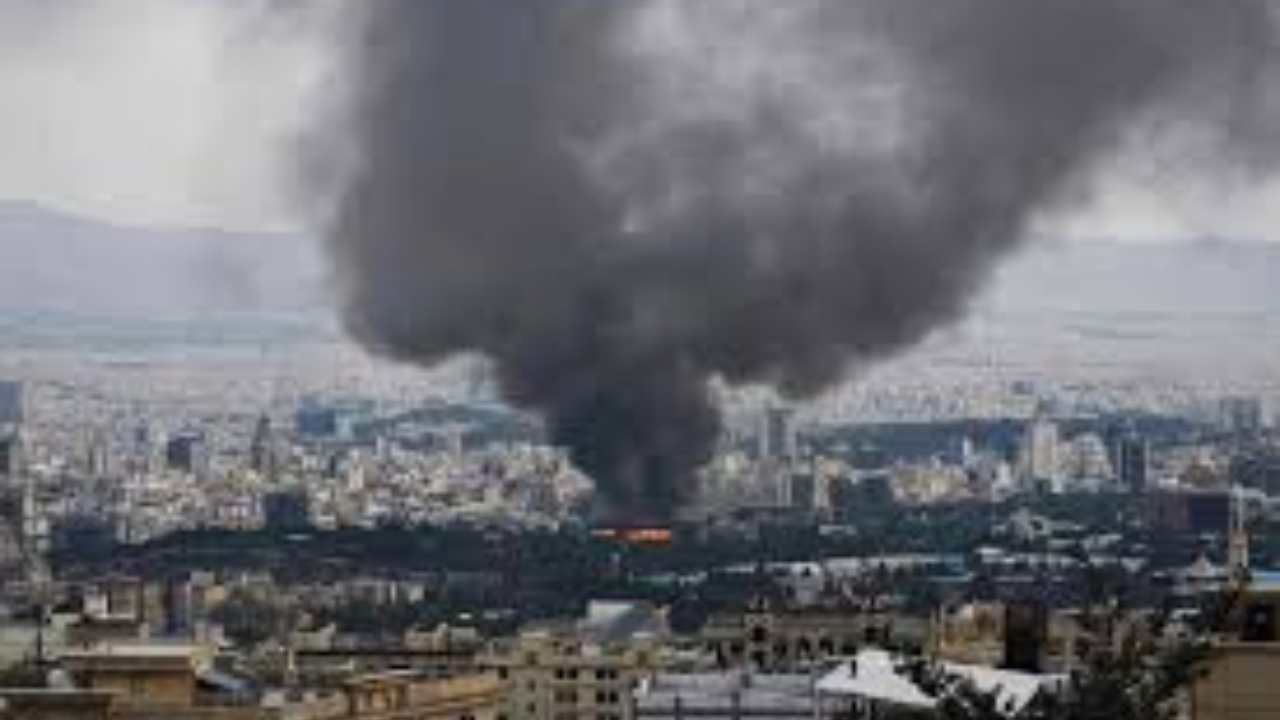
The traditional path to power in Iran has been shattered. With the Assembly of Experts in disarray following airstrikes in Qom, the clerical body is struggling to maintain its constitutional role.
While Trump acknowledged that many original candidates were removed during “Operation Epic Fury,” he hinted that he is looking for a moderate internal figure to bridge the gap—though he notably kept the door open for exiled figures like Crown Prince Reza Pahlavi.
Support for Kurdish Maneuvers